
-
CeraVe Blemish Control Gel Moisturiser
Vendor:CeraVeRegular price £12.95Regular priceUnit price per -
CeraVe SA Smoothing Cleanser 437ml
Vendor:CeraVeRegular price £20.50Regular priceUnit price per -
CeraVe Moisturising Cream Tube 177ml
Vendor:CeraVeRegular price £9.95Regular priceUnit price per -
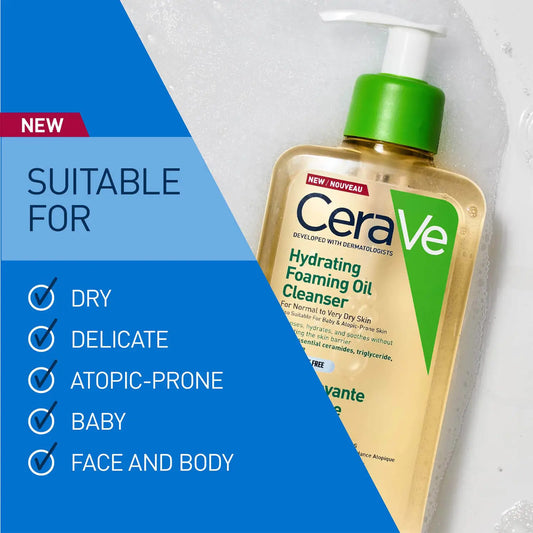
CeraVe Hydrating Foaming Oil Cleanser 236ml
Vendor:CeraVeRegular price £12.95Regular priceUnit price per -
CeraVe Advanced Repair Ointment 88ml
Vendor:CeraVeRegular price £14.00Regular priceUnit price per -
CeraVe Advanced Repair Ointment 50ml
Vendor:CeraVeRegular price £11.00Regular priceUnit price per -
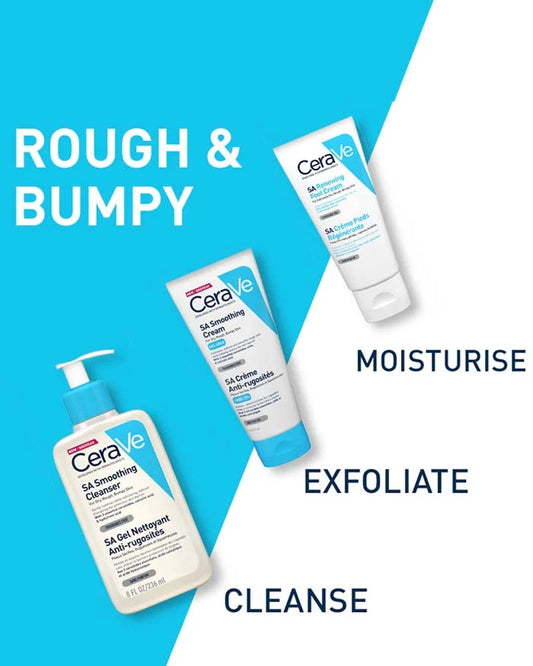
CeraVe SA Smoothing Cleanser 236ml
Vendor:CeraVeRegular price £12.95Regular priceUnit price per -
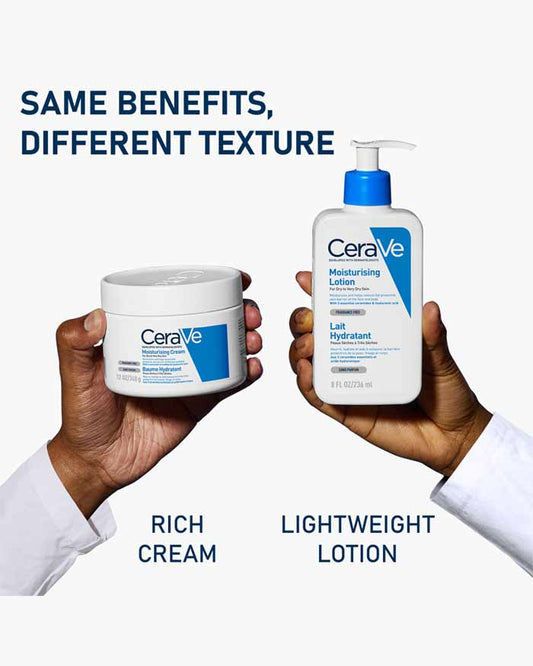
CeraVe Moisturising Lotion 236ml
Vendor:CeraVeRegular price £11.45Regular priceUnit price per -
CeraVe SA Smoothing Cream Pot 340g
Vendor:CeraVeRegular price £21.00Regular priceUnit price per -
CeraVe Moisturising Cream 340g
Vendor:CeraVeRegular price £13.95Regular priceUnit price per -
CeraVe Skin Renewing Eye Cream 15ML
Vendor:CeraVeRegular price £21.00Regular priceUnit price per£0.00Sale price £21.00 -
CeraVe INTENSIVE MOISTURISING LOTION 236ML
Vendor:CeraVeRegular price £13.75Regular priceUnit price per -
CeraVe Skin Renewing Vitamin C Serum
Vendor:CeraVeRegular price £25.95Regular priceUnit price per£0.00Sale price £25.95 -
CeraVe Oil Control Moisturising Gel Cream 52ml
Vendor:CeraVeRegular price £14.35Regular priceUnit price per -
CeraVe SA Smoothing Cream Tube 177ml
Vendor:CeraVeRegular price £13.50Regular priceUnit price per -
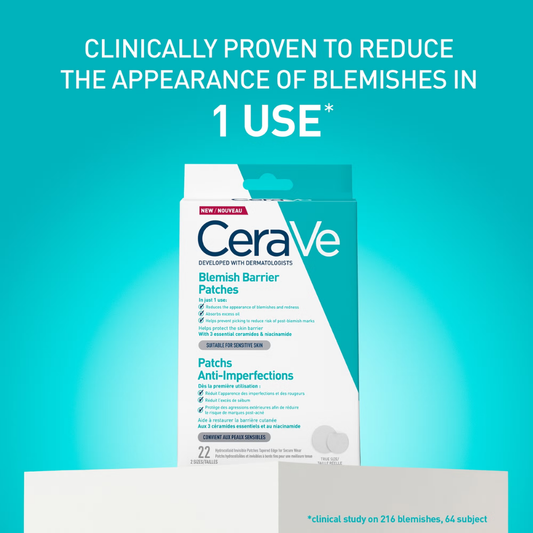
CeraVe Blemish Barrier Patches
Vendor:CeraVeRegular price £9.50Regular priceUnit price per










Frequently Asked Questions
What do ceramides do for skin?
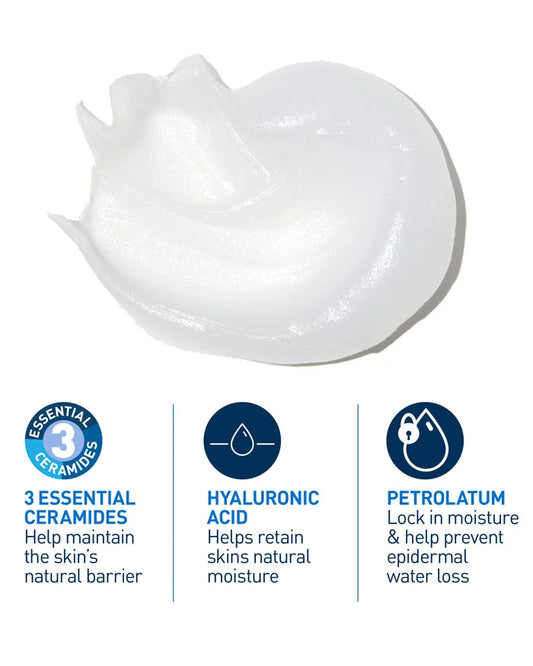
Ceramides are lipids that form part of the outer skin barrier. In a suitable topical formula, they can support barrier function, reduce the feeling of dryness and help skin feel smoother and more comfortable.
Who should use a ceramide moisturiser?
It can suit dry, sensitive, mature or temporarily over-processed skin, as well as anyone wanting barrier support. Choose the texture and formula that suit your skin, rather than assuming every ceramide cream is heavy.
Can oily or blemish-prone skin use ceramides?
Yes. Oily skin still needs an effective barrier. Look for a light lotion, gel-cream, or serum, and check the full formula for suitability instead of avoiding ceramides themselves.
Are more types of ceramide always better?
No. The number on the label does not reveal concentration, dispersion, stability or overall formulation quality. A well-designed product with fewer named ceramides may outperform a poorly formulated longer list.
Can ceramide skincare repair eczema?
Ceramide moisturisers may support dry or eczema-prone skin, but cosmetics do not cure eczema. A clinician or pharmacist should assess persistent, severe, infected or treatment-resistant symptoms.
Can I use ceramides with retinol or exfoliating acids?
Usually yes. A ceramide moisturiser can support comfort in an active routine. It cannot make excessive use safe, so reduce or stop the irritating product if symptoms worsen.
What is the difference between ceramides and hyaluronic acid?
Hyaluronic acid is mainly used as a humectant to retain water, while ceramides are lipids associated with the skin barrier. They can complement each other in the same formula or routine.
Notes On Skincare
-

Fernblock®: the ingredient that makes Heliocare...
What is Fernblock® and why does it matter? A deep dive into the fern extract behind Heliocare 360°, the science, and why it's a genuine differentiator.
Fernblock®: the ingredient that makes Heliocare...
What is Fernblock® and why does it matter? A deep dive into the fern extract behind Heliocare 360°, the science, and why it's a genuine differentiator.
-

Heliocare 360°: Which SPF Is Right For Your Ski...
Our Heliocare 360° review breaks down every SPF50 formula by skin type, compares 360° vs Advanced, and helps you find your perfect match.
Heliocare 360°: Which SPF Is Right For Your Ski...
Our Heliocare 360° review breaks down every SPF50 formula by skin type, compares 360° vs Advanced, and helps you find your perfect match.
-

Why Perimenopause Can Feel Like a Second Adoles...
Breakouts and fine lines at the same time?! The wonderful world of perimenopause.
Why Perimenopause Can Feel Like a Second Adoles...
Breakouts and fine lines at the same time?! The wonderful world of perimenopause.


Let customers speak for us

Been using AVST moisturiser for couple years now vombined with AVSTSupet moisturiser plus and such a Difference it has made to my
once sensitive reactive skin

Have used for years and will continue using

Have used for years and would not give up using however

I use all Jane Iredale products the blusher is gorgeous like all of her products good for sensitive skin goes on smoothly.

Love this eye shadow goes on smoothly lovely colours ,good for my sensitive eyes like all Jane Iredale products.

Great suppliments and so easy to use

Great for softening lines around eyes

Makes skin a lot clearer of pigmentation

So easy to apply a smooth line with this pencil. I have tried propelling eye liner pencils but they break so easily.

I have used this primer for some time now and wouldn’t use any other. Makes putting make up on so much easier.

You can really fell the difference straight away from using this product. It leaves your skin feeling clean, clear and soft.

Love this product. It’s soft on your skin and leaves your skin feeling amazing and clean.

Great company fast snd efficient

Been using this for years, an absolutely amazing product! So good for healing and reducing redness on scars and damaged skin.

Great compact , to replace a broken different style one , very quick postage and value for money thank you