
-
Environ Focus Care Moisture+ Hyaluronic Acid Intensive Hydrating Serum
Vendor:EnvironRegular price £79.00Regular priceUnit price per -
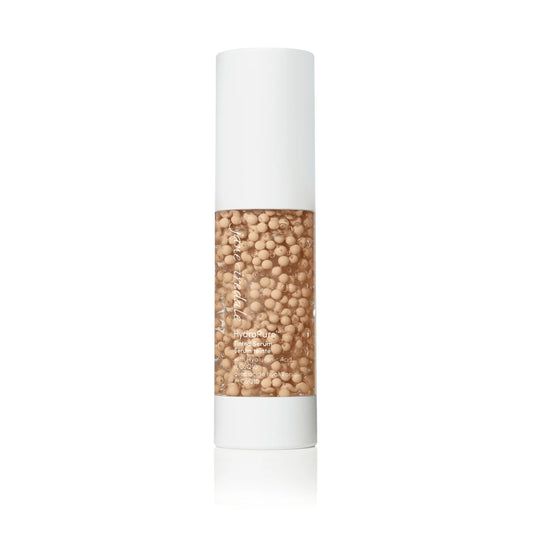
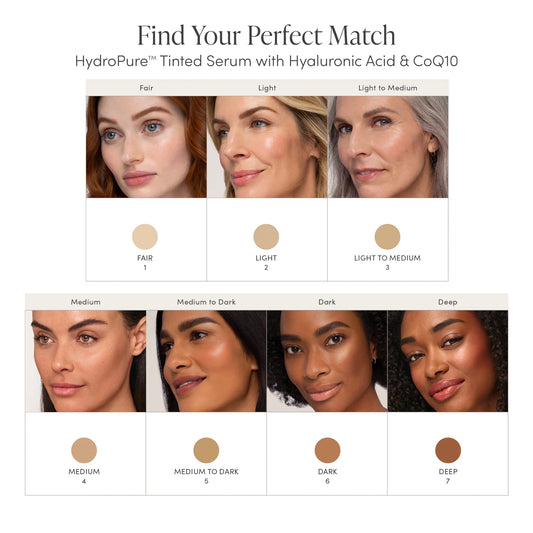
Jane Iredale HydroPure Tinted Serum with Hyaluronic Acid & CoQ10
Vendor:JANE IREDALERegular price From £50.00Regular priceUnit price per -
Advanced Nutrition Programme Skin Moisture IQ
Vendor:Advanced Nutrition ProgrammeRegular price £81.00Regular priceUnit price per -
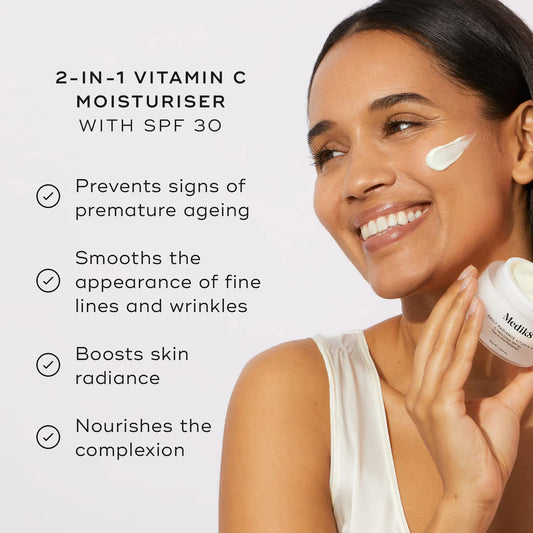
Medik8 Daily Radiance Vitamin C SPF 30
Vendor:MEDIK8Regular price £50.00Regular priceUnit price per£59.00Sale price £50.00Sale -
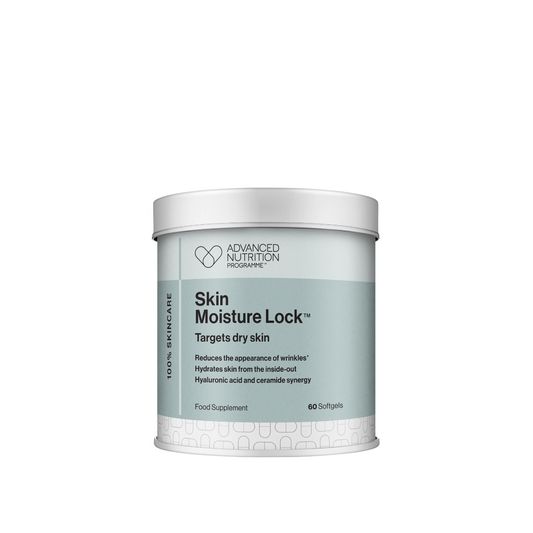
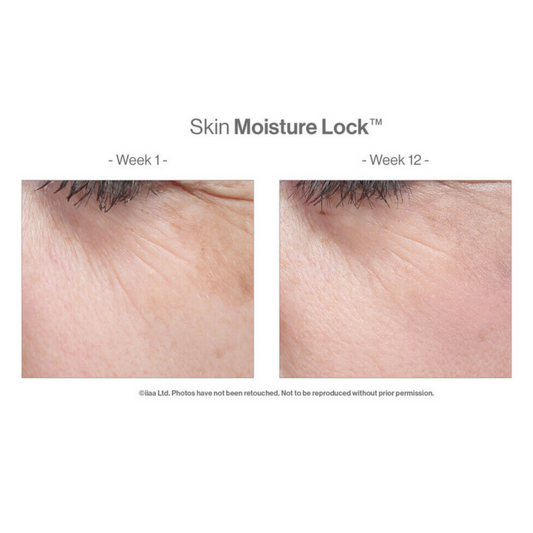
Advanced Nutrition Programme Skin Moisture Lock™
Vendor:Advanced Nutrition ProgrammeRegular price £77.00Regular priceUnit price per -
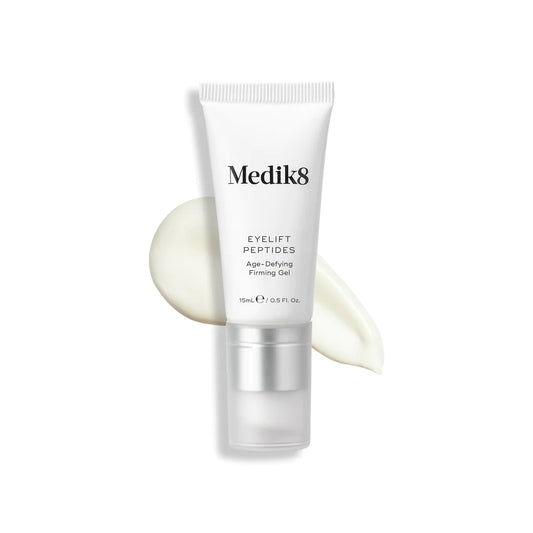
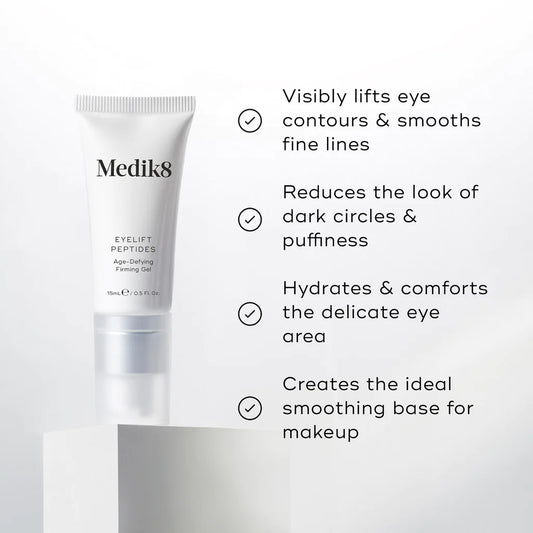
Medik8 Eyelift™ Peptides
Vendor:MEDIK8Regular price £45.00Regular priceUnit price per -
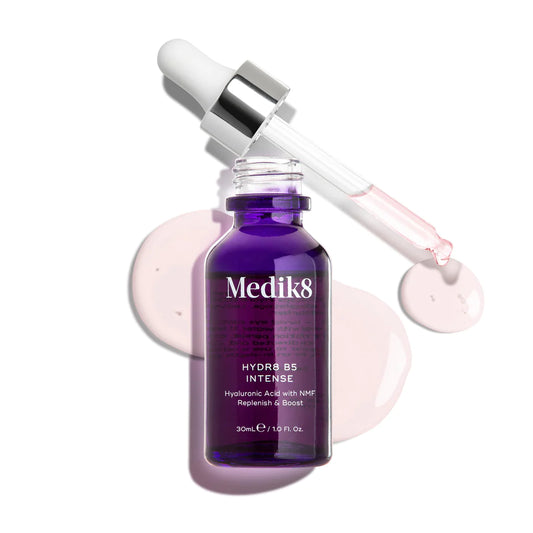
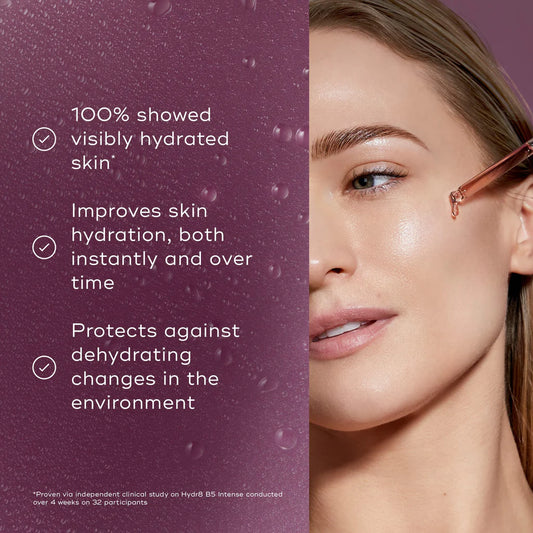
Medik8 Hydr8 B5 Intense
Vendor:MEDIK8Regular price £59.00Regular priceUnit price per -
Medik8 Liquid Peptides - Travel Size 8ml
Vendor:MEDIK8Regular price £19.00Regular priceUnit price per -
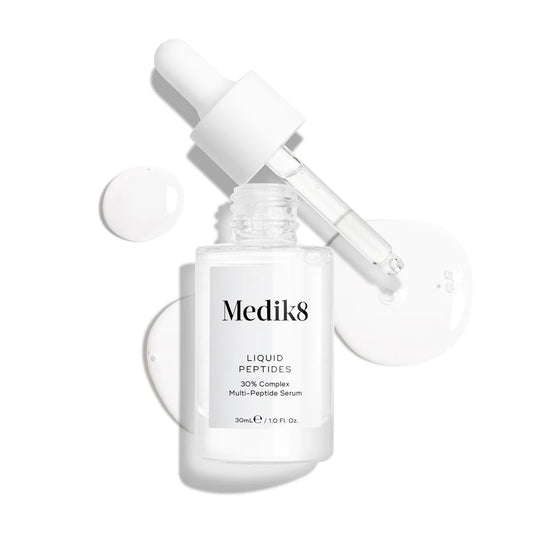
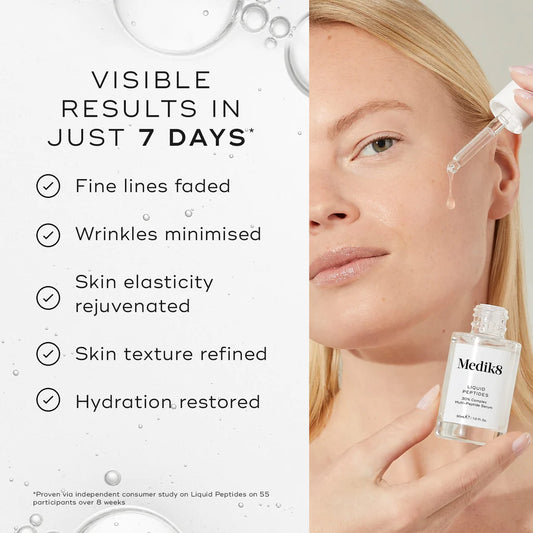
Medik8 Liquid Peptides
Vendor:MEDIK8Regular price £55.00Regular priceUnit price per -
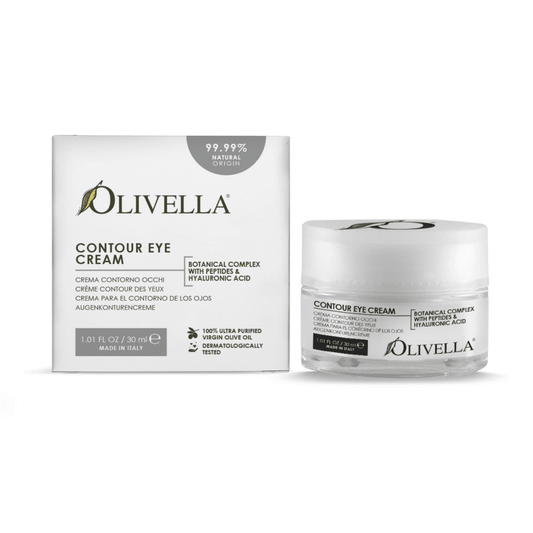
Olivella Contour Eye Cream with Hyaluronic Acid
Vendor:OLIVELLARegular price £28.00Regular priceUnit price per£0.00Sale price £28.00 -
Medik8 Advanced Night Eye - 15ml
Vendor:MEDIK8Regular price £42.00Regular priceUnit price per -
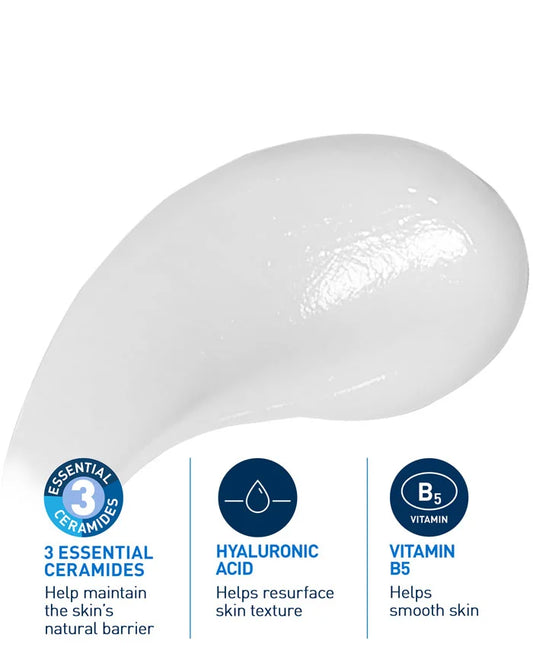
CeraVe Hydrating Hyaluronic Acid Serum
Vendor:CeraVeRegular price £19.45Regular priceUnit price per -
Medik8 Crystal Retinal 3
Vendor:MEDIK8Regular price £49.00Regular priceUnit price per -
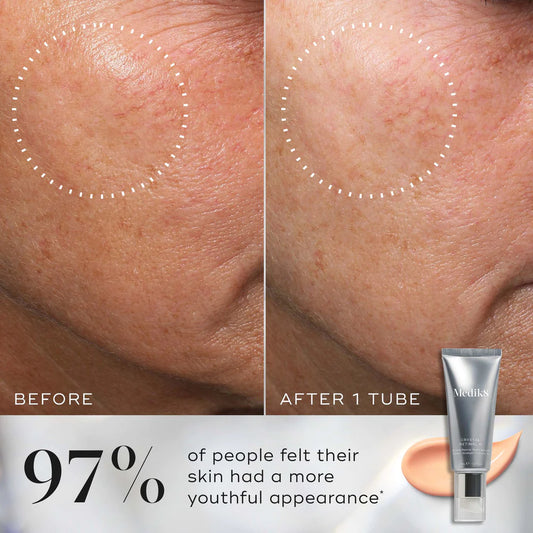
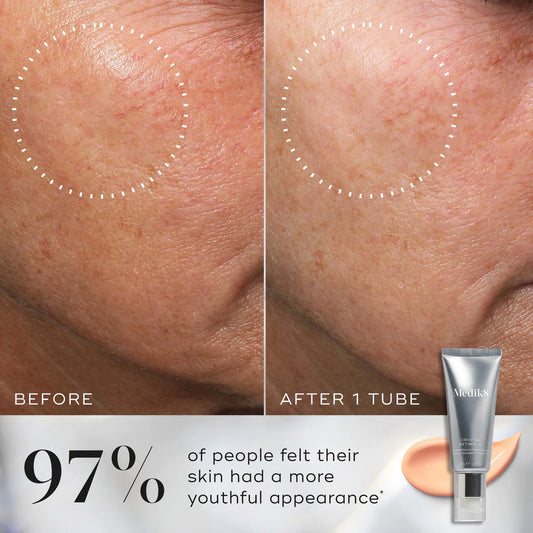
Medik8 Crystal Retinal 6
Vendor:MEDIK8Regular price £69.00Regular priceUnit price per -
Olivella Counter Clock Hyaluronic Acid Face Serum
Vendor:OLIVELLARegular price £55.00Regular priceUnit price per -
Dr. Levy Radical3 Reboot Peel
Vendor:Dr. LevyRegular price £55.00Regular priceUnit price per -
Environ 3D Filler Crème, Frown Serum & Focus-CIT | Products vs Procedures Edit
Vendor:EnvironRegular price £237.00Regular priceUnit price per -
Environ 3D Filler Crème, Frown Serum & Roll-CIT | Products vs Procedures Edit
Vendor:EnvironRegular price £277.00Regular priceUnit price per -
Environ 3D Filler Crème & Avance Elixir | Smooth & Fill Set
Vendor:EnvironRegular price £162.00Regular priceUnit price per -
Environ 3D Filler Crème & C-Quence Advanced Volume Trio | Choose Your Level
Vendor:EnvironRegular price From £235.00Regular priceUnit price per -
Environ 3D Filler Crème & AVST Duo | Volume & Nourish
Vendor:EnvironRegular price From £130.00Regular priceUnit price per -
Environ 3D Filler Creme Twin Set
Vendor:EnvironRegular price £158.00Regular priceUnit price per












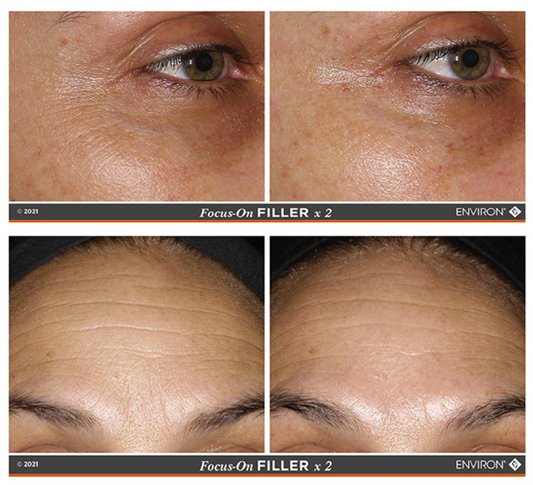


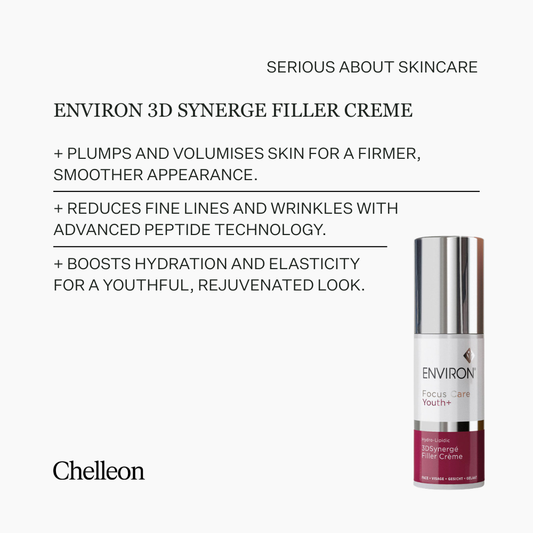

Frequently Asked Questions
What does hyaluronic acid do for skin?
In topical skincare, it acts mainly as a humectant, helping retain water at the skin surface. This can improve the feel of hydration and temporarily soften the appearance of dehydration lines.
Is hyaluronic acid serum suitable for oily skin?
Yes, a lightweight formula can add hydration without a heavy feel. Oily skin can still be dehydrated. Check the whole formula and choose a texture that layers comfortably under moisturiser or SPF.
Should I apply hyaluronic acid to damp skin?
Many formulas work well on slightly damp skin, followed by moisturiser, but this is not a universal requirement. Follow the specific product directions and do not apply to dripping-wet skin if the formula is intended for dry skin.
Do I need moisturiser after hyaluronic acid?
Often yes, especially for dry or tight-feeling skin. A serum supplies a light humectant layer; a moisturiser can add emollient and occlusive support. Some richer hyaluronic acid products already perform both roles.
Can I use hyaluronic acid with retinol or vitamin C?
Usually yes. Hyaluronic acid is commonly included for hydration alongside retinoids, vitamin C, niacinamide and exfoliating acids. Introduce stronger active formulas separately if sensitivity is a concern.
Can hyaluronic acid serum replace injectable filler?
No. Topical serum hydrates the surface and can temporarily make dehydration lines look softer. Injectable filler is a medical procedure with different effects and risks.
Why does hyaluronic acid pill under makeup or sunscreen?
Pilling can happen when too much product is applied, layers are rubbed, or film-forming formulas are incompatible. Use thinner layers, allow a brief settling time and test a different product combination.
Notes On Skincare
-

Fernblock®: the ingredient that makes Heliocare...
What is Fernblock® and why does it matter? A deep dive into the fern extract behind Heliocare 360°, the science, and why it's a genuine differentiator.
Fernblock®: the ingredient that makes Heliocare...
What is Fernblock® and why does it matter? A deep dive into the fern extract behind Heliocare 360°, the science, and why it's a genuine differentiator.
-

Heliocare 360°: Which SPF Is Right For Your Ski...
Our Heliocare 360° review breaks down every SPF50 formula by skin type, compares 360° vs Advanced, and helps you find your perfect match.
Heliocare 360°: Which SPF Is Right For Your Ski...
Our Heliocare 360° review breaks down every SPF50 formula by skin type, compares 360° vs Advanced, and helps you find your perfect match.
-

Why Perimenopause Can Feel Like a Second Adoles...
Breakouts and fine lines at the same time?! The wonderful world of perimenopause.
Why Perimenopause Can Feel Like a Second Adoles...
Breakouts and fine lines at the same time?! The wonderful world of perimenopause.


Let customers speak for us

Excellent product, used it for ages

I absolutely love this moisturiser! It leaves my skin feeling beautifully hydrated, soft and nourished without feeling heavy or greasy. My complexion looks smoother and more radiant, and it has become an essential part of my daily skincare routine. A little goes a long way, and I love how my skin feels after applying it. A beautiful product that I would happily recommend! 🥰

Very good
Love this skincare have been using it for years!

Excellent product which I have been using for years

Excellent products which enhance the quality and appearance of the skin

Been using AVST moisturiser for couple years now vombined with AVSTSupet moisturiser plus and such a Difference it has made to my
once sensitive reactive skin

Have used for years and will continue using

Have used for years and would not give up using however

I use all Jane Iredale products the blusher is gorgeous like all of her products good for sensitive skin goes on smoothly.

Love this eye shadow goes on smoothly lovely colours ,good for my sensitive eyes like all Jane Iredale products.

Great suppliments and so easy to use

Great for softening lines around eyes

Makes skin a lot clearer of pigmentation

So easy to apply a smooth line with this pencil. I have tried propelling eye liner pencils but they break so easily.