
-
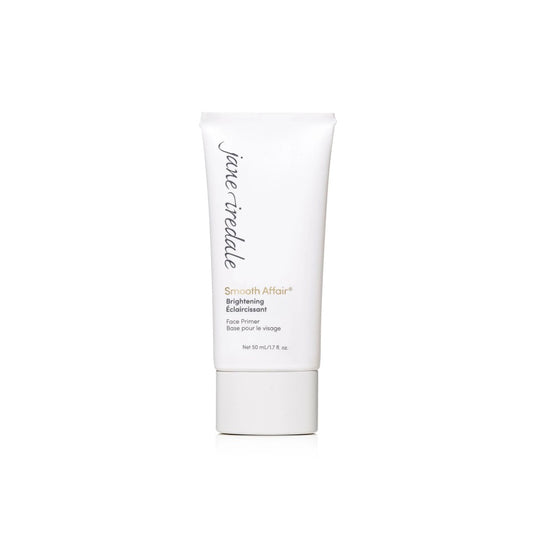
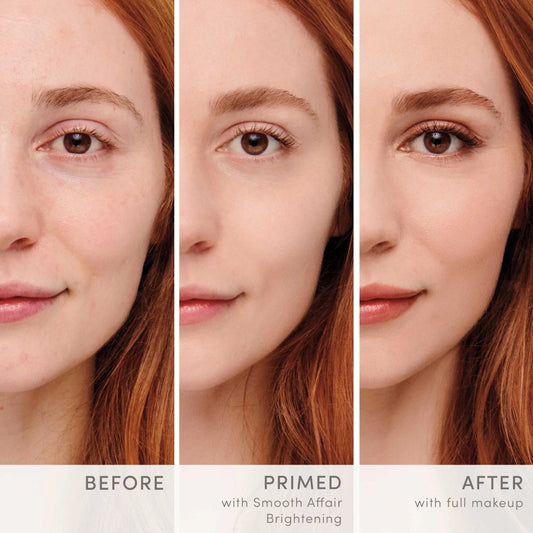
Jane Iredale Smooth Affair® Brightening Face Primer
Vendor:JANE IREDALERegular price £38.00Regular priceUnit price per -
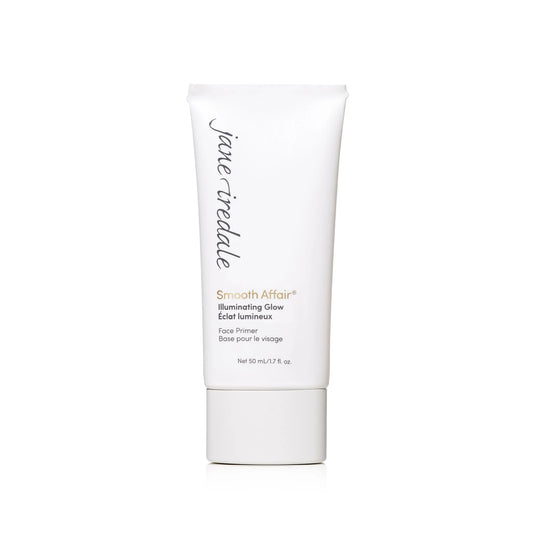
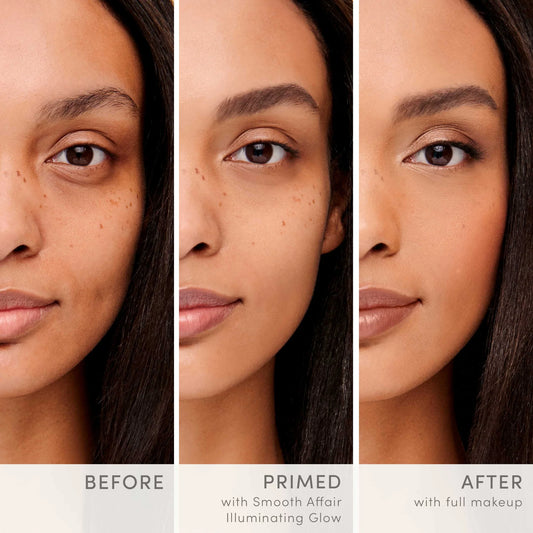
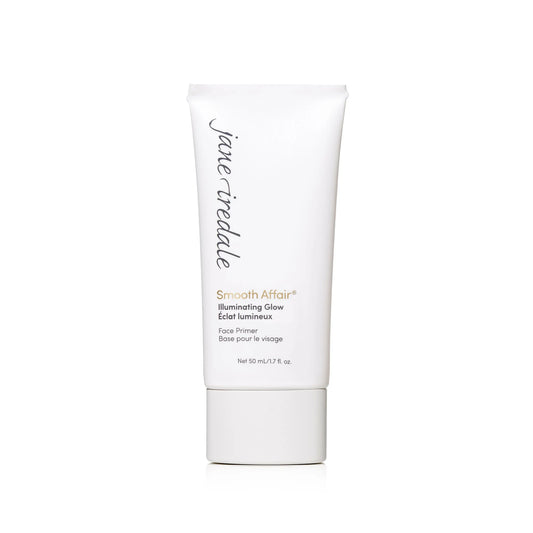
Jane Iredale Smooth Affair® Illuminating Glow Face Primer
Vendor:JANE IREDALERegular price £38.00Regular priceUnit price per -
Jane Iredale Smooth Affair® Primers
Vendor:JANE IREDALERegular price £38.00Regular priceUnit price per -
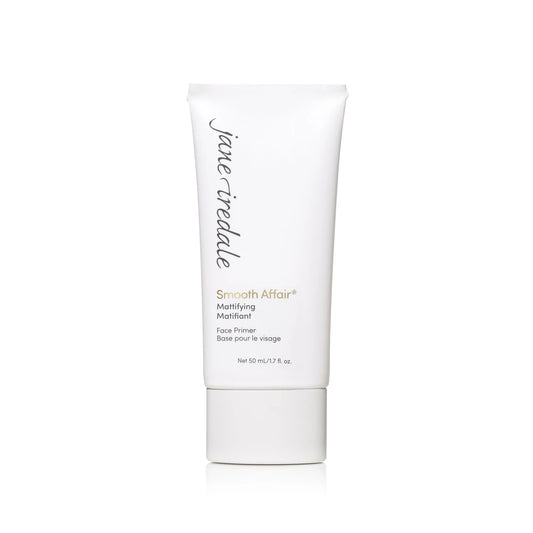
Smooth Affair® Mattifying Face Primer
Vendor:JANE IREDALERegular price £38.00Regular priceUnit price per -
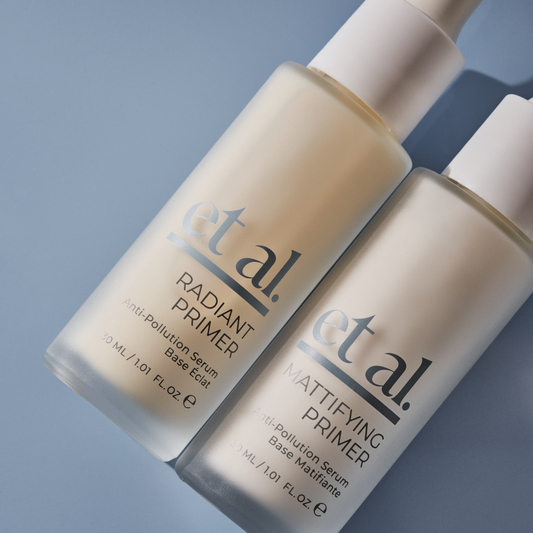
NEW et al. Mattifying Anti Pollution Primer
Vendor:et al.Regular price £38.00Regular priceUnit price per -
NEW et al. Radiant Primer Anti-Pollution Serum
Vendor:et al.Regular price £38.00Regular priceUnit price per -
NEW et al. Anti-Pollution Primer Duo: Radiant & Mattifying
Vendor:et al.Regular price £64.00Regular priceUnit price per




Frequently Asked Questions
What does makeup primer do?
Makeup primer prepares the surface for complexion makeup and can change how the finished base looks or wears. Different formulas focus on hydration, shine control or radiance, so compare the stated finish rather than expecting every primer to do the same job.
Do I apply primer before or after moisturiser and sunscreen?
Apply skincare first, then sunscreen during the day, followed by primer and makeup. Allow each layer to settle and follow the directions on each product. Don't assume makeup with SPF replaces properly applied sunscreen.
How do I choose between hydrating and mattifying primer?
Choose by the area and finish you want to manage. Hydrating or radiant primer suits areas that look dry or dull; mattifying primer helps where surface shine develops. Combination skin may benefit from using different primers in different zones.
Can I wear face primer without foundation?
Yes. You can wear a primer alone if you like the smoother, more even, or more radiant finish it gives. However, it won't provide the pigment or coverage of foundation.
Why is my primer pilling?
Pilling often happens when you apply too much product, layers haven't dried, or skincare, sunscreen, and makeup don't sit well together. Use thinner layers, wait between steps and test one product combination at a time.
How much primer should I use?
Start with a small amount and apply only where needed. The manufacturer’s directions take priority because texture and dispensing method vary by formula.
Notes On Skincare
-

Fernblock®: the ingredient that makes Heliocare...
What is Fernblock® and why does it matter? A deep dive into the fern extract behind Heliocare 360°, the science, and why it's a genuine differentiator.
Fernblock®: the ingredient that makes Heliocare...
What is Fernblock® and why does it matter? A deep dive into the fern extract behind Heliocare 360°, the science, and why it's a genuine differentiator.
-

Heliocare 360°: Which SPF Is Right For Your Ski...
Our Heliocare 360° review breaks down every SPF50 formula by skin type, compares 360° vs Advanced, and helps you find your perfect match.
Heliocare 360°: Which SPF Is Right For Your Ski...
Our Heliocare 360° review breaks down every SPF50 formula by skin type, compares 360° vs Advanced, and helps you find your perfect match.
-

Why Perimenopause Can Feel Like a Second Adoles...
Breakouts and fine lines at the same time?! The wonderful world of perimenopause.
Why Perimenopause Can Feel Like a Second Adoles...
Breakouts and fine lines at the same time?! The wonderful world of perimenopause.


Let customers speak for us

Been using AVST moisturiser for couple years now vombined with AVSTSupet moisturiser plus and such a Difference it has made to my
once sensitive reactive skin

Have used for years and will continue using

Have used for years and would not give up using however

I use all Jane Iredale products the blusher is gorgeous like all of her products good for sensitive skin goes on smoothly.

Love this eye shadow goes on smoothly lovely colours ,good for my sensitive eyes like all Jane Iredale products.

Great suppliments and so easy to use

Great for softening lines around eyes

Makes skin a lot clearer of pigmentation

So easy to apply a smooth line with this pencil. I have tried propelling eye liner pencils but they break so easily.

I have used this primer for some time now and wouldn’t use any other. Makes putting make up on so much easier.

You can really fell the difference straight away from using this product. It leaves your skin feeling clean, clear and soft.

Love this product. It’s soft on your skin and leaves your skin feeling amazing and clean.

Great company fast snd efficient

Been using this for years, an absolutely amazing product! So good for healing and reducing redness on scars and damaged skin.

Great compact , to replace a broken different style one , very quick postage and value for money thank you