
-
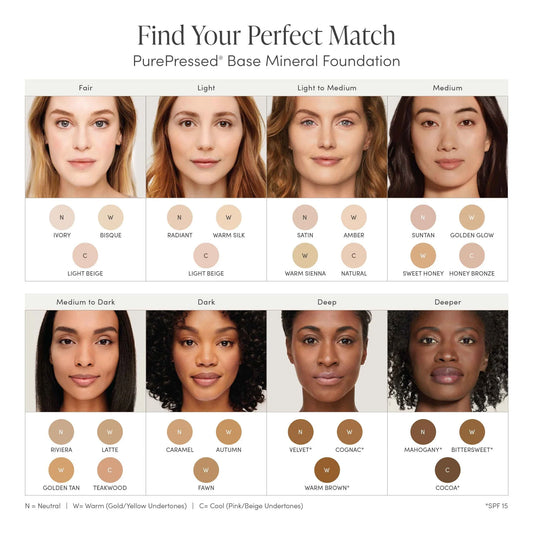
Jane Iredale PurePressed® Base Mineral Foundation SPF 20/15 Refill
Vendor:JANE IREDALERegular price From £38.00Regular priceUnit price per -
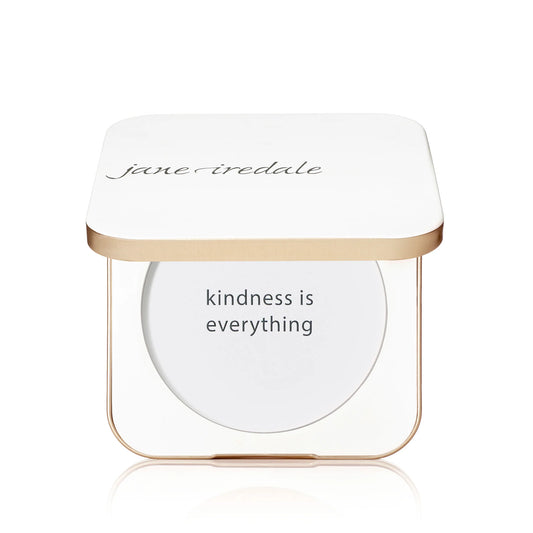
Jane Iredale Refillable Foundation Compact
Vendor:JANE IREDALERegular price £20.00Regular priceUnit price per -
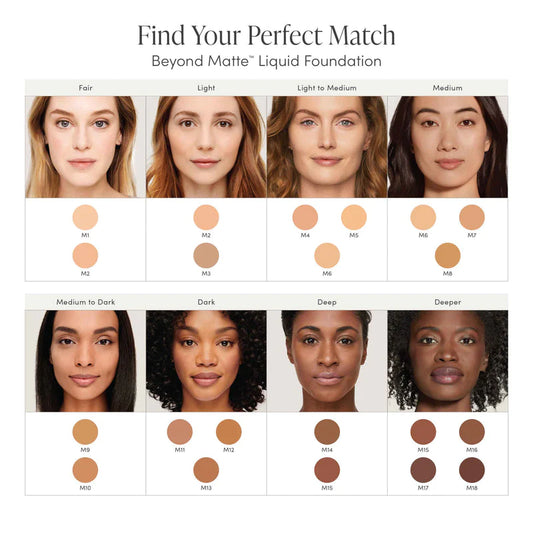
Jane Iredale Beyond Matte Liquid Foundation
Vendor:JANE IREDALERegular price £39.95Regular priceUnit price per -
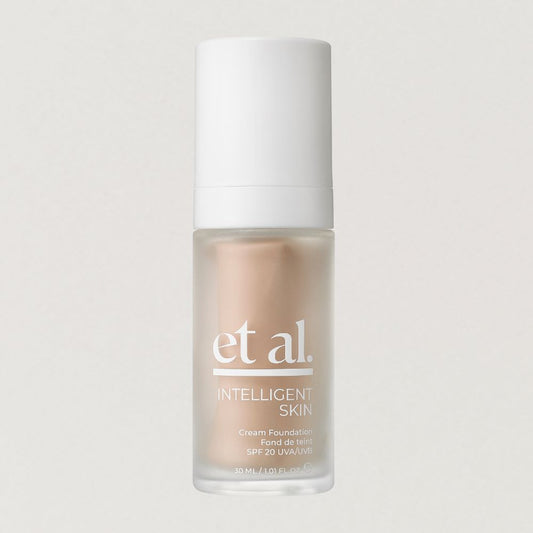
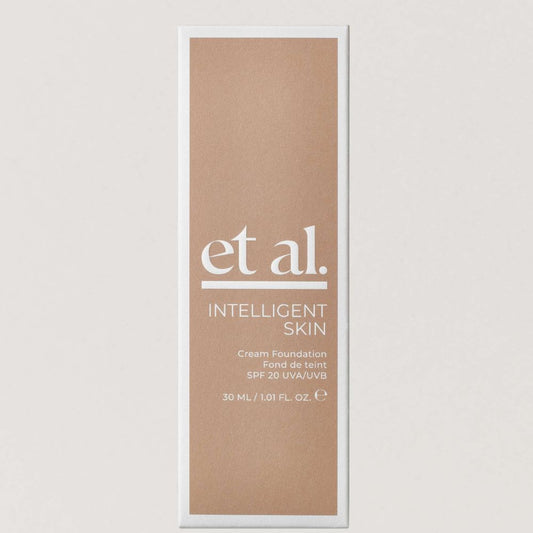
et al. Intelligent Skin Cream Foundation
Vendor:et al.Regular price £45.00Regular priceUnit price per -
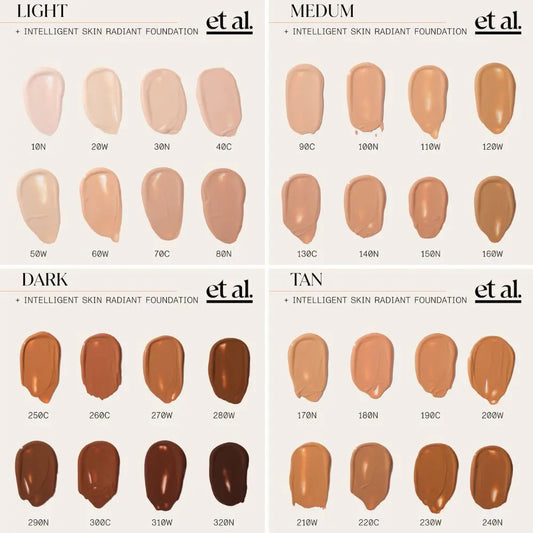
et al. Intelligent Skin Radiant Foundation SPF 15
Vendor:et al.Regular price £45.00Regular priceUnit price per -
Jane Iredale Amazing Base® Refillable Foundation Brush SPF 20/15 + 2 refills
Vendor:JANE IREDALERegular price £45.00Regular priceUnit price per -
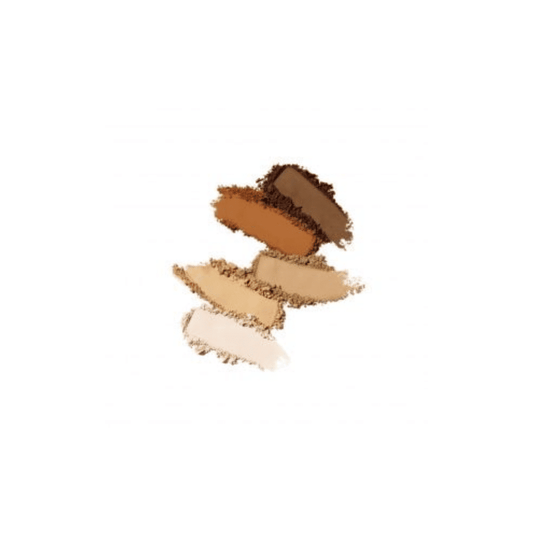
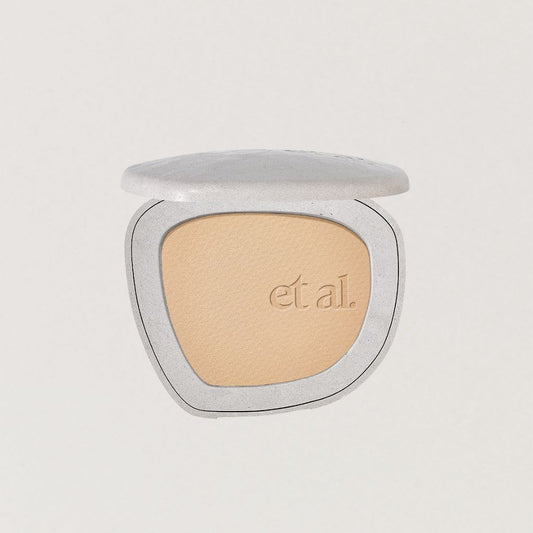
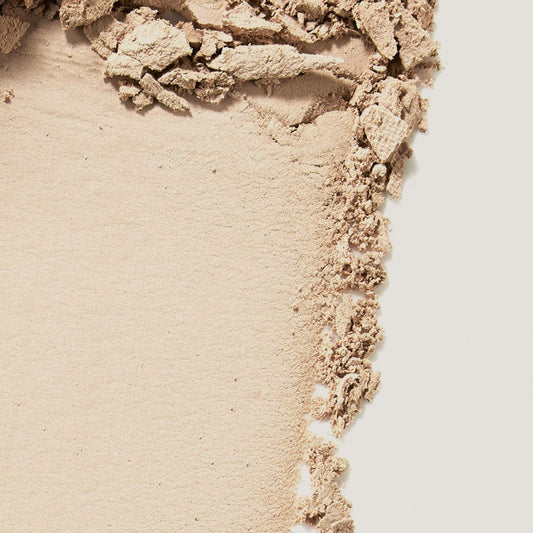
et al. Skin Protect Powder Foundation Refill
Vendor:et al.Regular price £35.00Regular priceUnit price per -
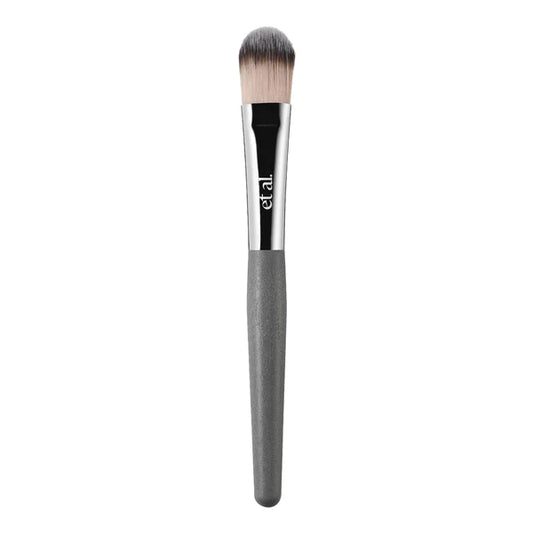
et al. Foundation Brush
Vendor:et al.Regular price £25.00Regular priceUnit price per -
Jane Iredale Foundation Brush
Vendor:JANE IREDALERegular price £32.00Regular priceUnit price per





Frequently Asked Questions
How do I choose between liquid, mineral and powder foundation?
Choose based on finish, coverage, and application preference. Liquid formulas are often flexible; pressed and loose mineral formulas can be layered; powder foundation can add coverage while reducing shine. Compare exact product specifications because category names aren't universal performance standards.
How do I find my foundation undertone?
Use the brand’s cool, warm and neutral descriptions, then test near the jaw in natural light. Do not rely on wrist veins alone: depth and undertone differ, and screen colour can distort a shade.
Should foundation match my face or neck?
Aim for a shade that creates a natural transition from face to neck. Testing along the jawline is usually more useful than testing on the hand. Allow the product to settle before judging the match.
Can foundation be built from light to full coverage?
Only use the formula when it's described as buildable. Begin with a thin layer and apply coverage locally. Piling on a formula beyond its intended coverage can make the texture more visible.
Do I need a compact for a foundation refill?
Yes, when the product is sold as a refill. Check the compatible compact listed on the product page before ordering; different brands and formats are not automatically interchangeable.
Does foundation with SPF replace sunscreen?
Do not rely on foundation alone for sun protection. Apply a suitable sunscreen in the recommended amount and follow its reapplication instructions; treat foundation SPF as an additional labelled feature.
Notes On Skincare
-

Fernblock®: the ingredient that makes Heliocare...
What is Fernblock® and why does it matter? A deep dive into the fern extract behind Heliocare 360°, the science, and why it's a genuine differentiator.
Fernblock®: the ingredient that makes Heliocare...
What is Fernblock® and why does it matter? A deep dive into the fern extract behind Heliocare 360°, the science, and why it's a genuine differentiator.
-

Heliocare 360°: Which SPF Is Right For Your Ski...
Our Heliocare 360° review breaks down every SPF50 formula by skin type, compares 360° vs Advanced, and helps you find your perfect match.
Heliocare 360°: Which SPF Is Right For Your Ski...
Our Heliocare 360° review breaks down every SPF50 formula by skin type, compares 360° vs Advanced, and helps you find your perfect match.
-

Why Perimenopause Can Feel Like a Second Adoles...
Breakouts and fine lines at the same time?! The wonderful world of perimenopause.
Why Perimenopause Can Feel Like a Second Adoles...
Breakouts and fine lines at the same time?! The wonderful world of perimenopause.


Let customers speak for us

Been using AVST moisturiser for couple years now vombined with AVSTSupet moisturiser plus and such a Difference it has made to my
once sensitive reactive skin

Have used for years and will continue using

Have used for years and would not give up using however

I use all Jane Iredale products the blusher is gorgeous like all of her products good for sensitive skin goes on smoothly.

Love this eye shadow goes on smoothly lovely colours ,good for my sensitive eyes like all Jane Iredale products.

Great suppliments and so easy to use

Great for softening lines around eyes

Makes skin a lot clearer of pigmentation

So easy to apply a smooth line with this pencil. I have tried propelling eye liner pencils but they break so easily.

I have used this primer for some time now and wouldn’t use any other. Makes putting make up on so much easier.

You can really fell the difference straight away from using this product. It leaves your skin feeling clean, clear and soft.

Love this product. It’s soft on your skin and leaves your skin feeling amazing and clean.

Great company fast snd efficient

Been using this for years, an absolutely amazing product! So good for healing and reducing redness on scars and damaged skin.

Great compact , to replace a broken different style one , very quick postage and value for money thank you