
-
Environ Focus Care Youth+ Concentrated Alpha Hydroxy Toner
Vendor:EnvironRegular price £47.00Regular priceUnit price per -
Environ Focus Care Moisture+ Alpha Hydroxy Night Cream
Vendor:EnvironRegular price £46.00Regular priceUnit price per -
Advanced Nutrition Programme Skin Vit A+
Vendor:Advanced Nutrition ProgrammeRegular price £24.00Regular priceUnit price per -
Advanced Nutrition Programme Skin Youth Biome™ 60 Capsules
Vendor:Advanced Nutrition ProgrammeRegular price £61.00Regular priceUnit price per -
Advanced Nutrition Programme Skin Ultimate
Vendor:Advanced Nutrition ProgrammeRegular price £75.00Regular priceUnit price per -
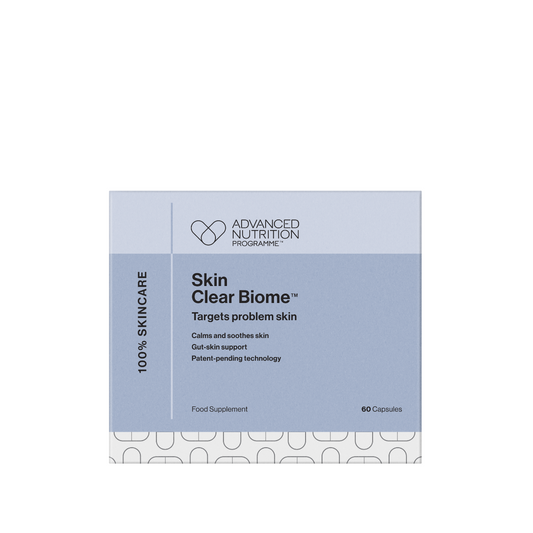
Advanced Nutrition Programme Skin Clear Biome™ 60 Capsules
Vendor:Advanced Nutrition ProgrammeRegular price £61.00Regular priceUnit price per -
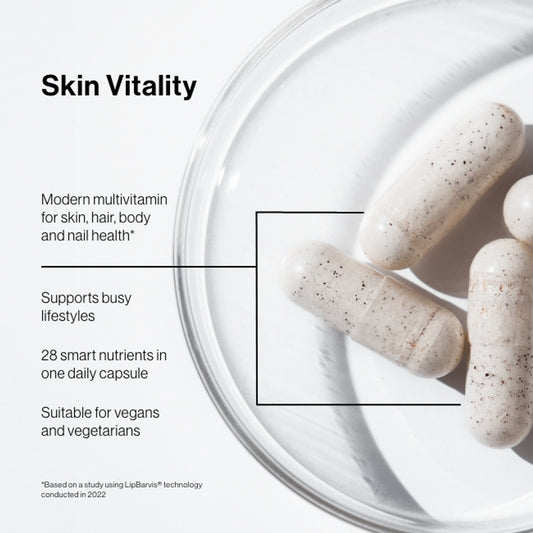
Advanced Nutrition Programme Skin Vitality
Vendor:Advanced Nutrition ProgrammeRegular price £37.00Regular priceUnit price per -
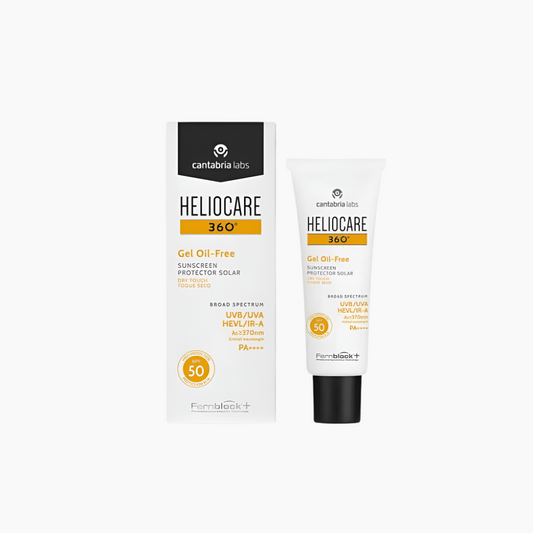
Heliocare 360° Gel Oil-Free SPF 50
Vendor:HeliocareRegular price £26.35Regular priceUnit price per£31.00Sale price £26.35Sale -
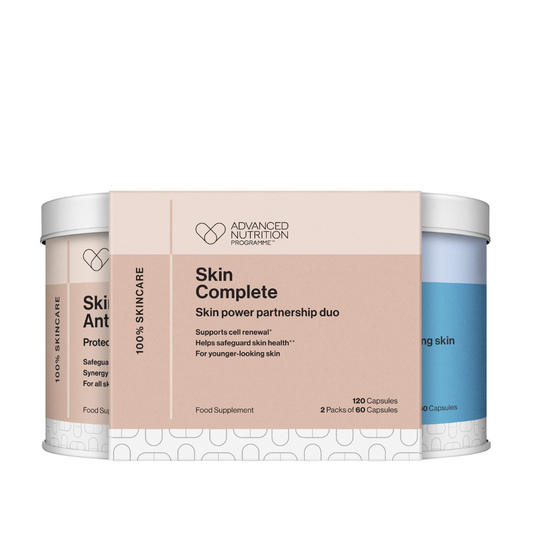
Advanced Nutrition Programme Skin Complete 120 Capsules
Vendor:Advanced Nutrition ProgrammeRegular price £55.00Regular priceUnit price per -
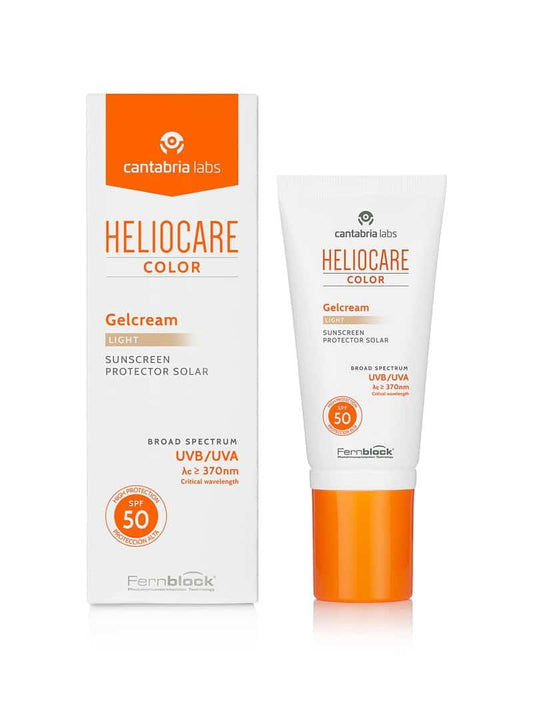
Heliocare® Gelcream Colour SPF 50
Vendor:HeliocareRegular price £23.80Regular priceUnit price per£28.00Sale price £23.80Sale -
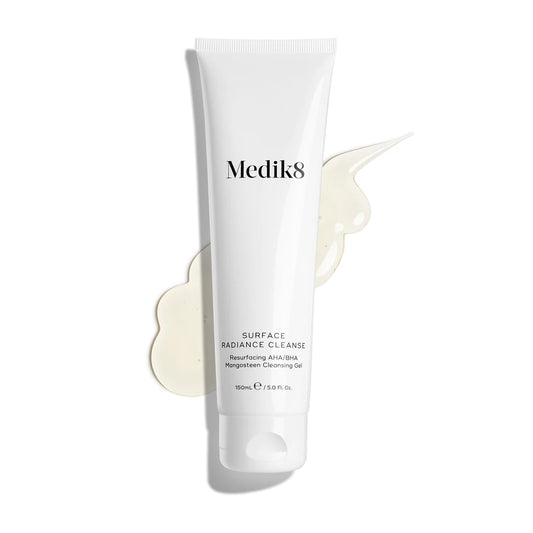
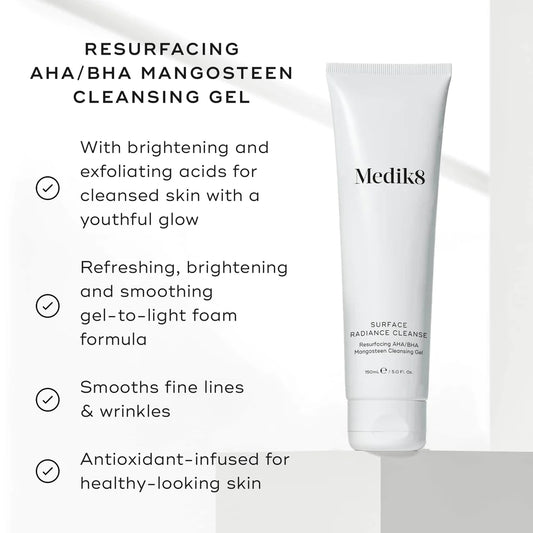
Medik8 Surface Radiance Cleanse
Vendor:MEDIK8Regular price £24.00Regular priceUnit price per -
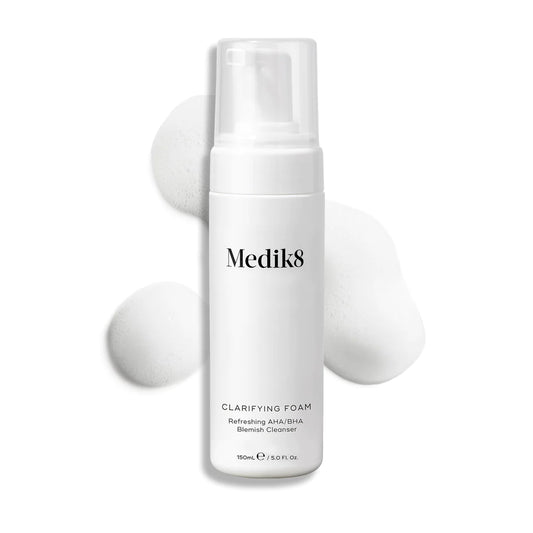
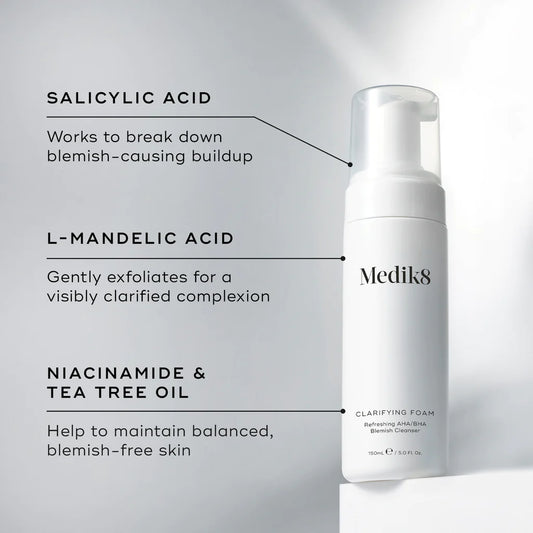
Medik8 Clarifying Foam
Vendor:MEDIK8Regular price £24.00Regular priceUnit price per -
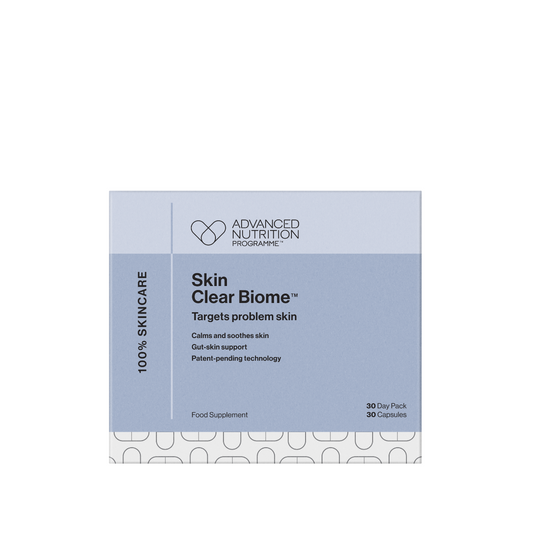
Advanced Nutrition Programme Skin Clear Biome™ 30 Capsules
Vendor:Advanced Nutrition ProgrammeRegular price £33.00Regular priceUnit price per -
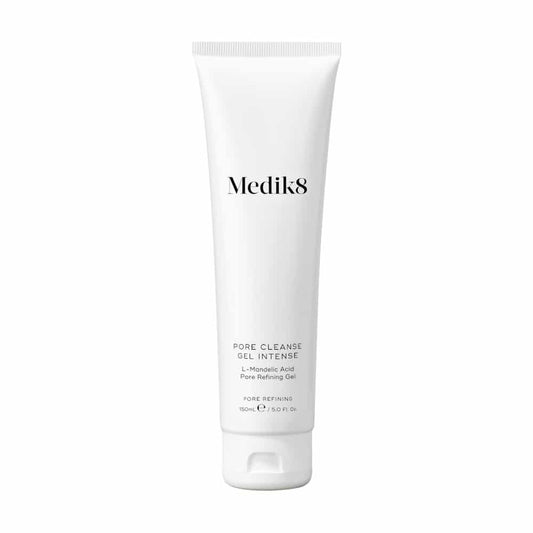
Medik8 Pore Cleanse Gel Intense
Vendor:MEDIK8Regular price £24.00Regular priceUnit price per -
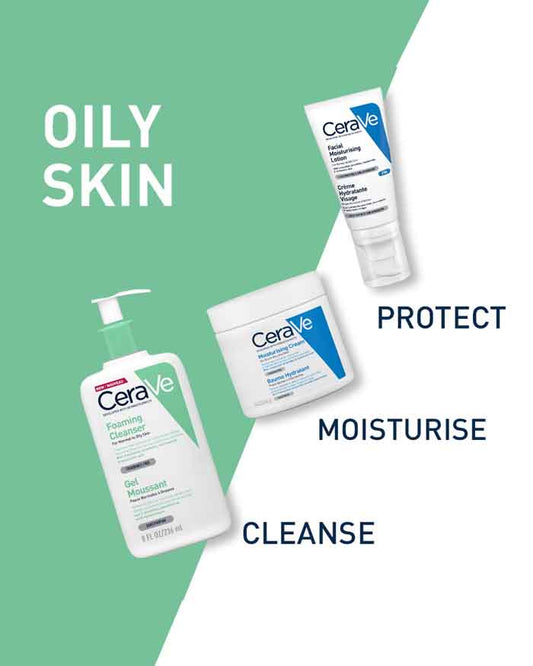
CeraVe Foaming Cleanser 473ml
Vendor:CeraVeRegular price £15.95Regular priceUnit price per -
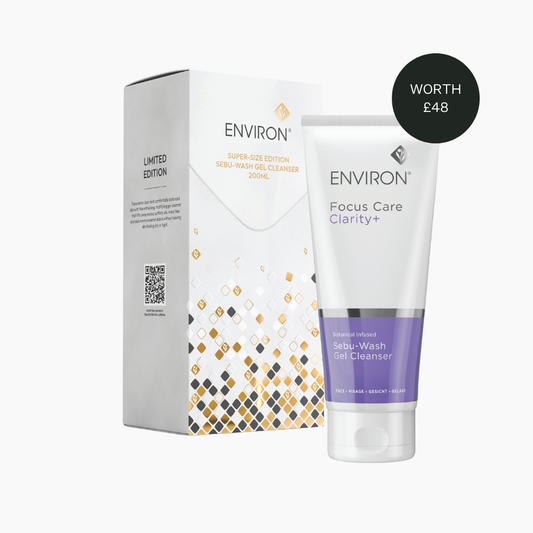
PRE-ORDER | Limited Edition Super-Size Environ Sebu-Wash Gel Cleanser 200ml
Vendor:EnvironRegular price £36.00Regular priceUnit price per







Frequently Asked Questions
Why is my face so oily?
Sebum production is influenced by genetics, hormones, age, climate and skincare. Oily skin is not evidence that the face is unclean. If oiliness changes suddenly or appears alongside other symptoms, ask a healthcare professional for advice. For ordinary oily skin, use a consistent gentle routine rather than repeatedly stripping the skin.
Should oily skin use moisturiser?
Yes. Oily skin can still be dehydrated or have an impaired barrier. Choose a lightweight gel-cream or lotion that feels comfortable and is labelled non-comedogenic where appropriate. Skipping moisturiser is especially unhelpful when acids, retinol or acne treatments are causing dryness. Hydration and oil production are separate issues.
What type of cleanser is best for oily skin?
A gentle gel or foaming cleanser can remove excess surface oil without leaving the face tight. Cleanse morning and evening with lukewarm water and avoid harsh scrubs. An acid cleanser may suit congested skin, but it should not automatically be combined with several other exfoliating products.
Which ingredients can help oily skin look more balanced?
Niacinamide can support the barrier and the appearance of balanced oil. Salicylic acid can help with congested-looking pores, while light humectants such as glycerin and hyaluronic acid provide water-based hydration. Clay masks may reduce surface oil temporarily. No cosmetic ingredient permanently stops sebum production.
How often should oily skin be exfoliated?
Start with the frequency stated on the chosen product and adjust according to tolerance. Daily exfoliation is not necessary for everyone. Persistent stinging, redness, tightness or flaking means the routine is too aggressive. Pause the exfoliant and return to a basic cleanser, moisturiser and SPF routine.
What sunscreen should I use for oily skin?
Choose a broad-spectrum facial SPF 30 or higher with a light, fluid, gel, or matte finish that you can apply generously. “Oil-free” or “non-comedogenic” may help narrow the choice, but texture preference is personal. Reapply according to exposure and the product directions rather than applying too little to avoid shine.
Is oily skin the same as acne-prone skin?
No. Excess sebum can contribute to blocked pores, but not everyone with oily skin has acne, and not everyone with acne has very oily skin. If shine is the main concern, focus on gentle cleansing, light hydration and SPF. If persistent inflamed spots, nodules or scarring are present, seek pharmacy or medical advice.
Notes On Skincare
-

Fernblock®: the ingredient that makes Heliocare...
What is Fernblock® and why does it matter? A deep dive into the fern extract behind Heliocare 360°, the science, and why it's a genuine differentiator.
Fernblock®: the ingredient that makes Heliocare...
What is Fernblock® and why does it matter? A deep dive into the fern extract behind Heliocare 360°, the science, and why it's a genuine differentiator.
-

Heliocare 360°: Which SPF Is Right For Your Ski...
Our Heliocare 360° review breaks down every SPF50 formula by skin type, compares 360° vs Advanced, and helps you find your perfect match.
Heliocare 360°: Which SPF Is Right For Your Ski...
Our Heliocare 360° review breaks down every SPF50 formula by skin type, compares 360° vs Advanced, and helps you find your perfect match.
-

Why Perimenopause Can Feel Like a Second Adoles...
Breakouts and fine lines at the same time?! The wonderful world of perimenopause.
Why Perimenopause Can Feel Like a Second Adoles...
Breakouts and fine lines at the same time?! The wonderful world of perimenopause.


Let customers speak for us

Been using AVST moisturiser for couple years now vombined with AVSTSupet moisturiser plus and such a Difference it has made to my
once sensitive reactive skin

Have used for years and will continue using

Have used for years and would not give up using however

I use all Jane Iredale products the blusher is gorgeous like all of her products good for sensitive skin goes on smoothly.

Love this eye shadow goes on smoothly lovely colours ,good for my sensitive eyes like all Jane Iredale products.

Great suppliments and so easy to use

Great for softening lines around eyes

Makes skin a lot clearer of pigmentation

So easy to apply a smooth line with this pencil. I have tried propelling eye liner pencils but they break so easily.

I have used this primer for some time now and wouldn’t use any other. Makes putting make up on so much easier.

You can really fell the difference straight away from using this product. It leaves your skin feeling clean, clear and soft.

Love this product. It’s soft on your skin and leaves your skin feeling amazing and clean.

Great company fast snd efficient

Been using this for years, an absolutely amazing product! So good for healing and reducing redness on scars and damaged skin.

Great compact , to replace a broken different style one , very quick postage and value for money thank you