
-
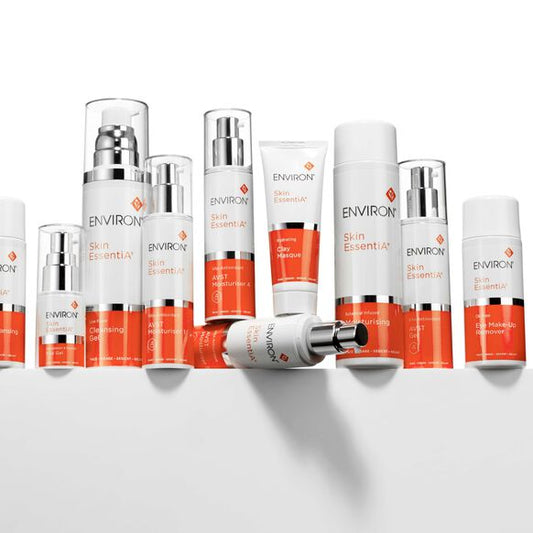
Environ Skin EssentiA Botanical Moisturising Toner
Vendor:EnvironRegular price £45.00Regular priceUnit price per -
Environ Youth EssentiA Vita-Peptide Toner
Vendor:EnvironRegular price £54.00Regular priceUnit price per -
Environ Focus Care Youth+ Concentrated Alpha Hydroxy Toner
Vendor:EnvironRegular price £47.00Regular priceUnit price per -
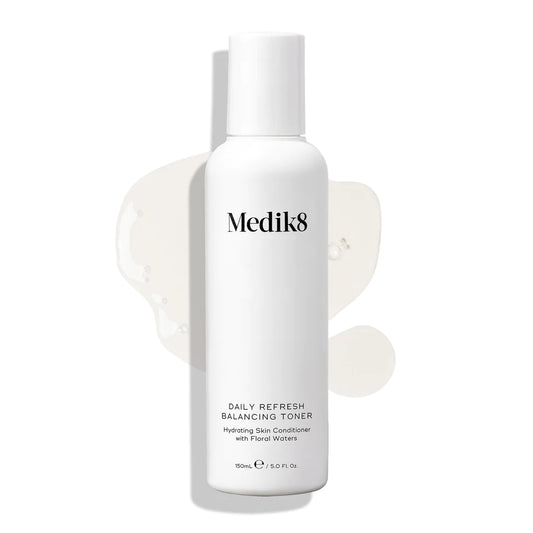
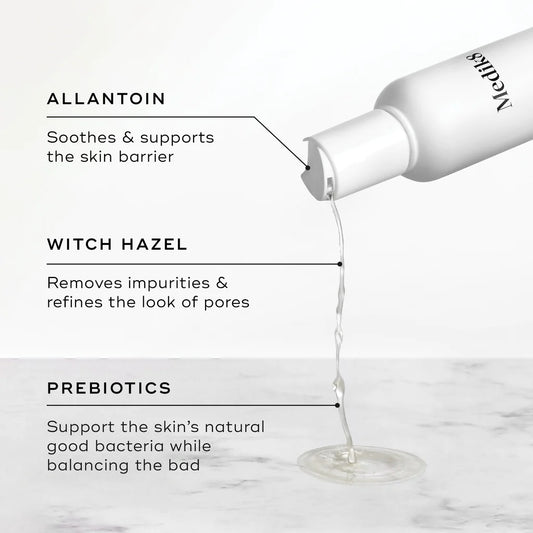
Medik8 Daily Refresh Balancing Toner
Vendor:MEDIK8Regular price £17.00Regular priceUnit price per -
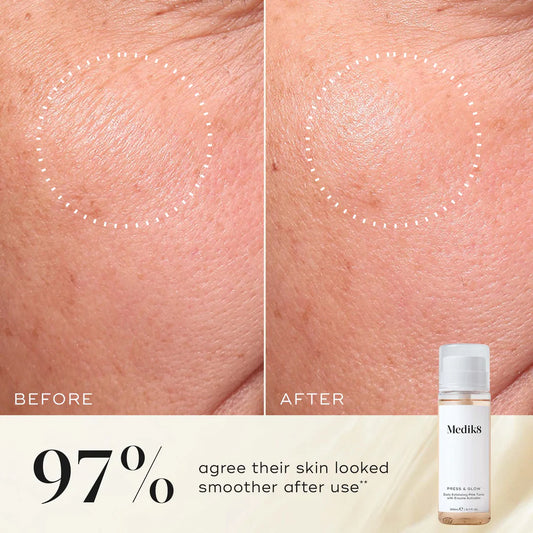
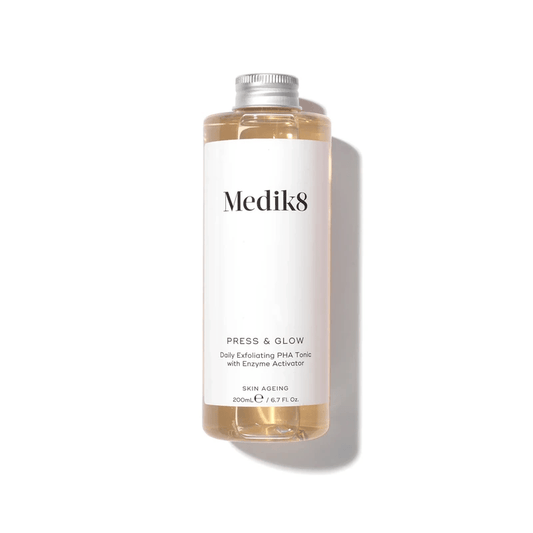
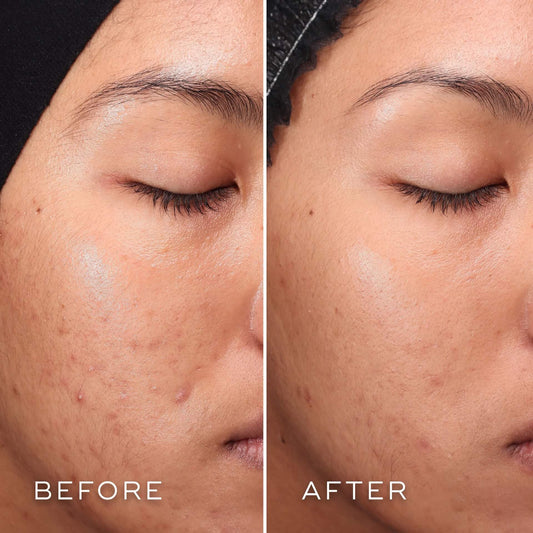
Medik8 Press & Glow
Vendor:MEDIK8Regular price £32.00Regular priceUnit price per -
Medik8 Press & Glow Refill
Vendor:MEDIK8Regular price £28.00Regular priceUnit price per -
Medik8 Press & Clear - Try Me / Travel Size
Vendor:MEDIK8Regular price £15.00Regular priceUnit price per -
Medik8 Press & Glow - Try Me / Travel Size
Vendor:MEDIK8Regular price £9.00Regular priceUnit price per -
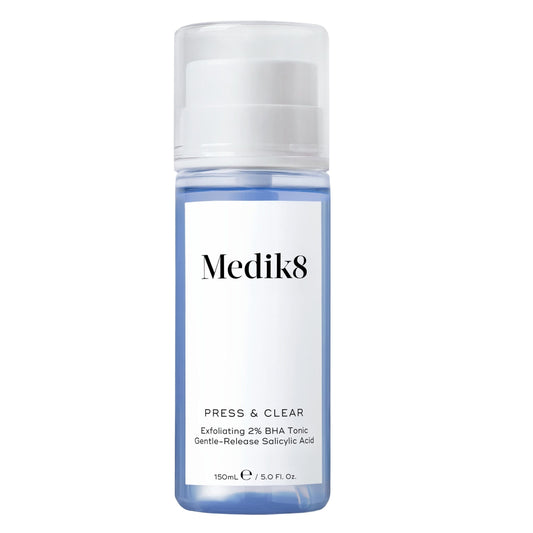
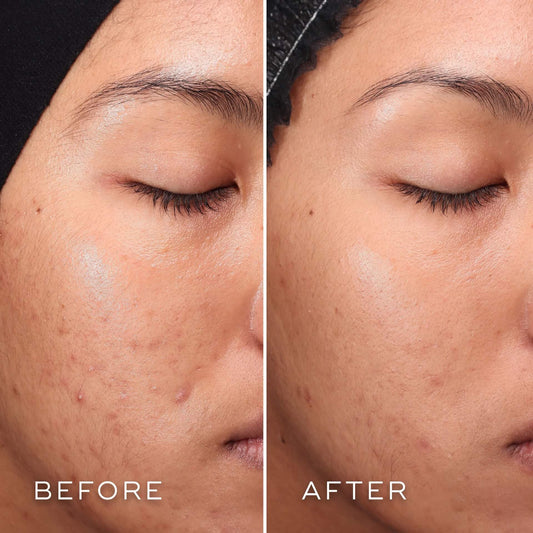
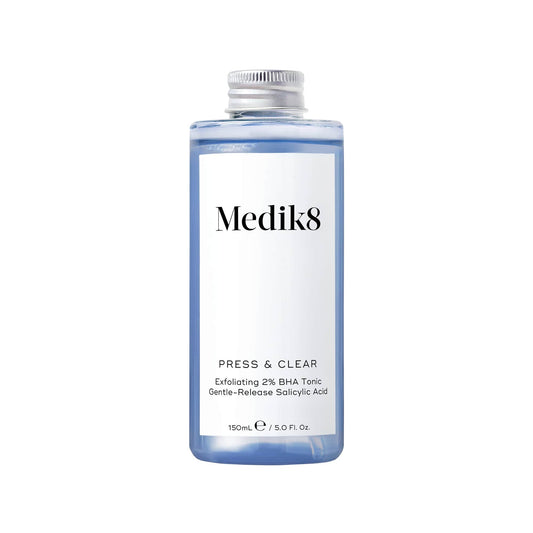
Medik8 Press & Clear
Vendor:MEDIK8Regular price £35.00Regular priceUnit price per -
Medik8 Press & Clear Refill
Vendor:MEDIK8Regular price £30.00Regular priceUnit price per -
Exclusive Environ C-Boost Mela Even Cream & Botanical Moisturising Toner
Vendor:EnvironRegular price £80.00Regular priceUnit price per -
Exclusive Environ C-Boost Mela Even Cream & Vita-Peptide Toner
Vendor:EnvironRegular price £88.00Regular priceUnit price per -
Exclusive Environ Ultimate Toning Duo (Vita-Peptide Toner & Botanical Moisturising Toner)
Vendor:EnvironRegular price £85.00Regular priceUnit price per -
Environ Concentrated Alphy Hydroxy Toner Twin Set
Vendor:EnvironRegular price £82.00Regular priceUnit price per -
Environ Botanical Infused Moisturising Toner Twin Set
Vendor:EnvironRegular price £80.00Regular priceUnit price per -
Environ Youth EseentiA Vita-Peptide Toner Twin Set
Vendor:EnvironRegular price £96.00Regular priceUnit price per








Frequently Asked Questions
Is face toner necessary?
No. Toner is an optional step. A basic routine can consist of cleanser, moisturiser and morning sunscreen. Use a toner if it provides a defined benefit—such as hydration or measured exfoliation—and suits the rest of your routine.
What is the difference between hydrating and exfoliating toner?
A hydrating toner adds water-binding or soothing ingredients and may be suitable for regular use. An exfoliating toner contains acids such as glycolic, lactic or salicylic acid and should be introduced according to its directions. The latter counts as an active treatment step.
When should I apply face toner?
Apply toner after cleansing and before serum, moisturiser and sunscreen. Let comfort guide layering; products don't need long waiting periods unless the manufacturer says otherwise. Use clean hands or a soft cotton pad, without rubbing.
Can I use face toner every day?
A mild hydrating toner may be suitable for daily use, but an exfoliating toner may need to be used less frequently. Follow the individual product directions and reduce frequency if the skin becomes tight, sore, red or flaky.
Can toner close pores?
No product permanently opens or closes pores. Toners can remove surface residue, hydrate the skin, or help pores look less noticeable by addressing oil and congestion, but they do not permanently change pore anatomy.
Which toner is suitable for sensitive skin?
Look for a simple hydrating or soothing formula and avoid assuming that an alcohol-free label guarantees tolerance. Patch test, introduce one product at a time and avoid exfoliating toner during an active flare. Persistent facial redness or burning needs professional advice.
Can I use an exfoliating toner with retinol?
Some experienced users tolerate both, but starting them together can cause irritation. Introduce one first and consider using them on alternate nights. Follow each product's directions and pause actives if persistent stinging, redness or peeling develops.
Notes On Skincare
-

Fernblock®: the ingredient that makes Heliocare...
What is Fernblock® and why does it matter? A deep dive into the fern extract behind Heliocare 360°, the science, and why it's a genuine differentiator.
Fernblock®: the ingredient that makes Heliocare...
What is Fernblock® and why does it matter? A deep dive into the fern extract behind Heliocare 360°, the science, and why it's a genuine differentiator.
-

Heliocare 360°: Which SPF Is Right For Your Ski...
Our Heliocare 360° review breaks down every SPF50 formula by skin type, compares 360° vs Advanced, and helps you find your perfect match.
Heliocare 360°: Which SPF Is Right For Your Ski...
Our Heliocare 360° review breaks down every SPF50 formula by skin type, compares 360° vs Advanced, and helps you find your perfect match.
-

Why Perimenopause Can Feel Like a Second Adoles...
Breakouts and fine lines at the same time?! The wonderful world of perimenopause.
Why Perimenopause Can Feel Like a Second Adoles...
Breakouts and fine lines at the same time?! The wonderful world of perimenopause.


Let customers speak for us

Have used for years and will continue using

Have used for years and would not give up using however

I use all Jane Iredale products the blusher is gorgeous like all of her products good for sensitive skin goes on smoothly.

Love this eye shadow goes on smoothly lovely colours ,good for my sensitive eyes like all Jane Iredale products.

Great suppliments and so easy to use

Great for softening lines around eyes

Makes skin a lot clearer of pigmentation

So easy to apply a smooth line with this pencil. I have tried propelling eye liner pencils but they break so easily.

I have used this primer for some time now and wouldn’t use any other. Makes putting make up on so much easier.

You can really fell the difference straight away from using this product. It leaves your skin feeling clean, clear and soft.

Love this product. It’s soft on your skin and leaves your skin feeling amazing and clean.

Great company fast snd efficient

Been using this for years, an absolutely amazing product! So good for healing and reducing redness on scars and damaged skin.

Great compact , to replace a broken different style one , very quick postage and value for money thank you

Love this Jane Iredale bronzer, the light shade works very well with my skintone , which is light/medium. Contours nice and gives a nice natural healthy glow.