
-
Environ Youth EssentiA Hydra Intense Cleansing Lotion
Vendor:EnvironRegular price £48.00Regular priceUnit price per -
Environ Alpha Hydroxy Derma-Lac Lotion
Vendor:EnvironRegular price £48.00Regular priceUnit price per -
Advanced Nutrition Programme Skin Youth Biome™ 60 Capsules
Vendor:Advanced Nutrition ProgrammeRegular price £61.00Regular priceUnit price per -
Advanced Nutrition Programme Skin Omegas+ 180 Capsules
Vendor:Advanced Nutrition ProgrammeRegular price £74.00Regular priceUnit price per -
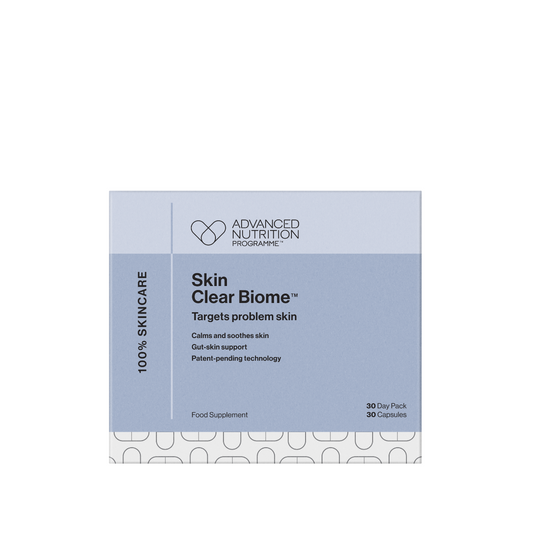
Advanced Nutrition Programme Skin Clear Biome™ 60 Capsules
Vendor:Advanced Nutrition ProgrammeRegular price £61.00Regular priceUnit price per -
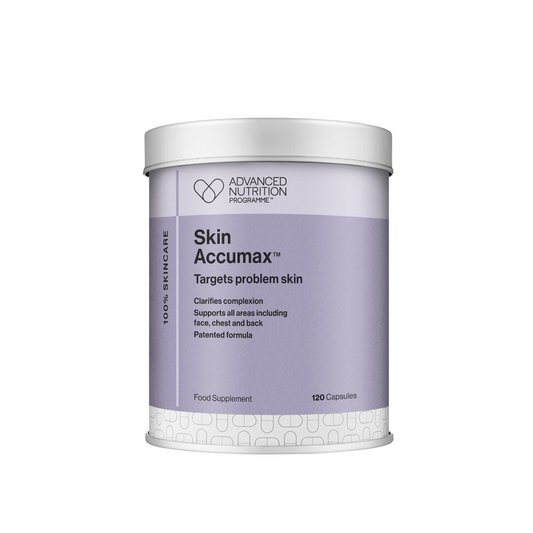
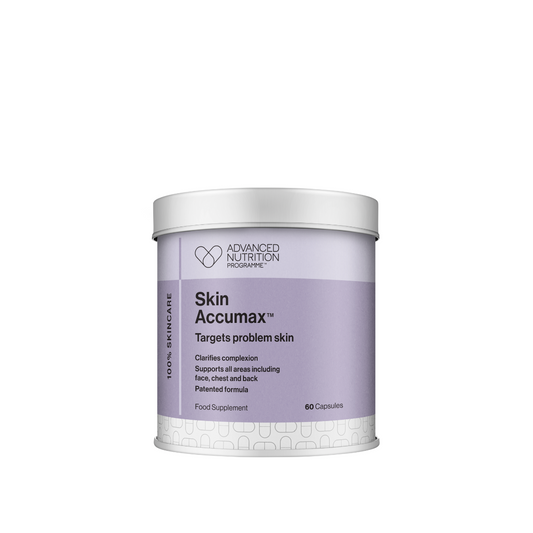
Advanced Nutrition Programme Skin Accumax™ 120 Capsules
Vendor:Advanced Nutrition ProgrammeRegular price £73.00Regular priceUnit price per -
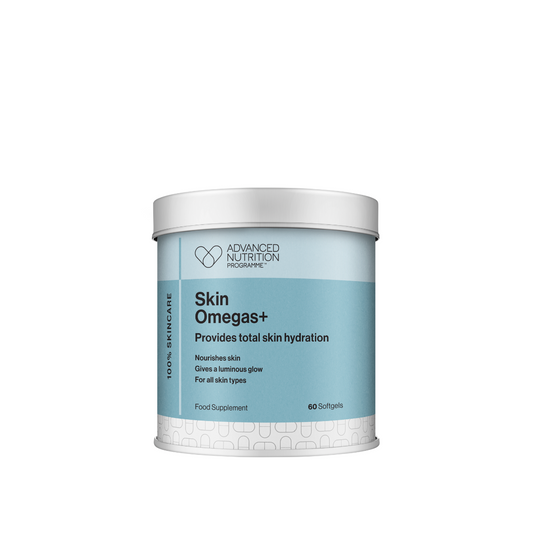
Advanced Nutrition Programme Skin Omegas+ 60 Capsules
Vendor:Advanced Nutrition ProgrammeRegular price £34.00Regular priceUnit price per -
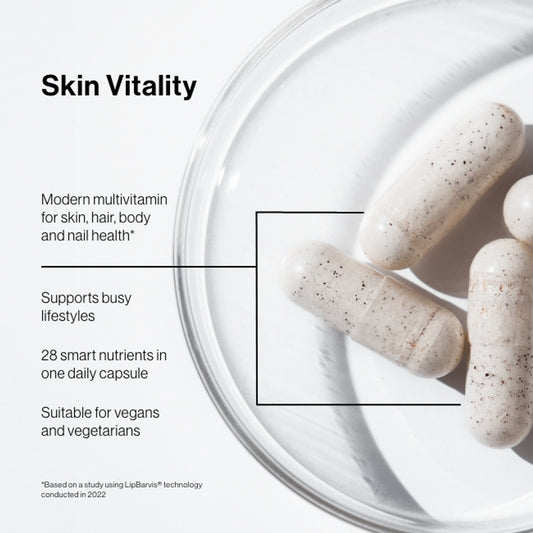
Advanced Nutrition Programme Skin Vitality
Vendor:Advanced Nutrition ProgrammeRegular price £37.00Regular priceUnit price per -
Advanced Nutrition Programme Skin Accumax™ 60 Capsules
Vendor:Advanced Nutrition ProgrammeRegular price £48.00Regular priceUnit price per -
Advanced Nutrition Programme Skin Moisture IQ
Vendor:Advanced Nutrition ProgrammeRegular price £81.00Regular priceUnit price per -
Advanced Nutrition Programme Skin Clear Biome™ 30 Capsules
Vendor:Advanced Nutrition ProgrammeRegular price £33.00Regular priceUnit price per






Frequently Asked Questions
Is facial redness always rosacea?
No. Facial redness can be caused by temporary flushing, irritation, contact dermatitis, eczema, acne, sun exposure and other conditions. Rosacea often causes recurring flushing or persistent central facial redness and may also involve visible vessels, spots or eye symptoms. Because these conditions can overlap, see a GP if redness persists or you are unsure what it is.
Can skincare cure rosacea?
No. Rosacea is a medical condition and cosmetics cannot cure it. A gentle routine can support the skin barrier, reduce avoidable irritation and provide daily sun protection, while medical treatment may be needed for persistent redness, spots or eye involvement. Chelleon products should be described as suitable for rosacea-prone or redness-prone skin only when the formula and manufacturer guidance support that use.
What type of cleanser is best for rosacea-prone skin?
Choose a mild, non-abrasive cleanser that leaves the skin comfortable rather than tight. Use lukewarm water, massage gently with fingertips and avoid cleansing brushes or gritty scrubs. Fragrance-free products may be easier to tolerate, but no label guarantees suitability for everyone. Introduce one new cleanser at a time and stop if persistent stinging or redness develops.
Which skincare ingredients should I avoid with rosacea?
There is no universal banned list, but strong exfoliating acids, physical scrubs, high-strength retinoids, fragrance, essential oils and alcohol-heavy formulas can irritate some rosacea-prone skin. Personal tolerance varies. During a flare, use a simple cleanser, moisturiser and sunscreen routine, then reintroduce optional products one at a time.
Can I exfoliate if I have rosacea-prone skin?
Some people tolerate very gentle exfoliation when their skin is settled, but exfoliation is not essential and should not be used during an irritated flare. Avoid scrubbing. If a leave-on acid is appropriate, begin infrequently and follow its directions. Persistent burning, peeling or increased redness means the product should be stopped and the routine simplified.
What sunscreen is suitable for rosacea-prone skin?
Use a broad-spectrum facial sunscreen with SPF 30 or higher every day. Look for a texture you can apply generously without rubbing excessively. Mineral and tinted formulas can suit some people, while others prefer a modern organic-filter sunscreen; tolerance is individual. Patch test if the skin is highly reactive and reapply according to exposure and product directions.
When should I see a GP about rosacea or redness?
See a GP if you have persistent or recurring facial redness, flushing, spots or visible vessels and suspect rosacea. Seek prompt advice for eye pain, blurred vision, sensitivity to light, a red eye or a persistent gritty feeling. A professional diagnosis matters because rosacea can resemble other skin conditions and may need prescription treatment.
Notes On Skincare
-

Fernblock®: the ingredient that makes Heliocare...
What is Fernblock® and why does it matter? A deep dive into the fern extract behind Heliocare 360°, the science, and why it's a genuine differentiator.
Fernblock®: the ingredient that makes Heliocare...
What is Fernblock® and why does it matter? A deep dive into the fern extract behind Heliocare 360°, the science, and why it's a genuine differentiator.
-

Heliocare 360°: Which SPF Is Right For Your Ski...
Our Heliocare 360° review breaks down every SPF50 formula by skin type, compares 360° vs Advanced, and helps you find your perfect match.
Heliocare 360°: Which SPF Is Right For Your Ski...
Our Heliocare 360° review breaks down every SPF50 formula by skin type, compares 360° vs Advanced, and helps you find your perfect match.
-

Why Perimenopause Can Feel Like a Second Adoles...
Breakouts and fine lines at the same time?! The wonderful world of perimenopause.
Why Perimenopause Can Feel Like a Second Adoles...
Breakouts and fine lines at the same time?! The wonderful world of perimenopause.


Let customers speak for us

Excellent product, used it for ages

I absolutely love this moisturiser! It leaves my skin feeling beautifully hydrated, soft and nourished without feeling heavy or greasy. My complexion looks smoother and more radiant, and it has become an essential part of my daily skincare routine. A little goes a long way, and I love how my skin feels after applying it. A beautiful product that I would happily recommend! 🥰

Very good
Love this skincare have been using it for years!

Excellent product which I have been using for years

Excellent products which enhance the quality and appearance of the skin

Been using AVST moisturiser for couple years now vombined with AVSTSupet moisturiser plus and such a Difference it has made to my
once sensitive reactive skin

Have used for years and will continue using

Have used for years and would not give up using however

I use all Jane Iredale products the blusher is gorgeous like all of her products good for sensitive skin goes on smoothly.

Love this eye shadow goes on smoothly lovely colours ,good for my sensitive eyes like all Jane Iredale products.

Great suppliments and so easy to use

Great for softening lines around eyes

Makes skin a lot clearer of pigmentation

So easy to apply a smooth line with this pencil. I have tried propelling eye liner pencils but they break so easily.