
-
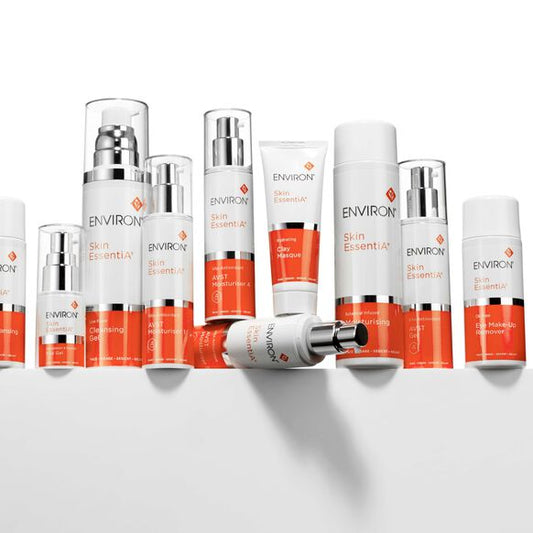
Environ Skin EssentiA Botanical Moisturising Toner
Vendor:EnvironRegular price £45.00Regular priceUnit price per -
Environ Youth EssentiA Vita-Peptide Toner
Vendor:EnvironRegular price £54.00Regular priceUnit price per -
Heliocare® 360° Pigment Solution Fluid SPF 50
Vendor:HeliocareRegular price £28.04Regular priceUnit price per£32.99Sale price £28.04Sale -
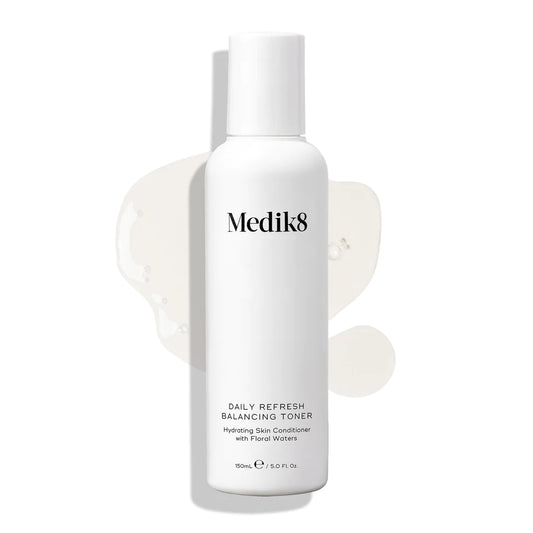
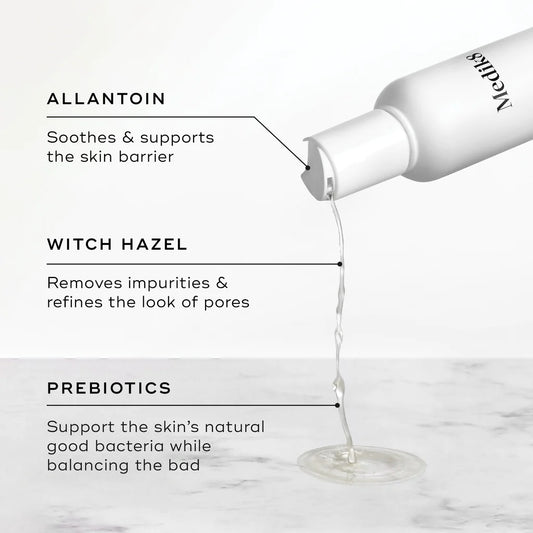
Medik8 Daily Refresh Balancing Toner
Vendor:MEDIK8Regular price £17.00Regular priceUnit price per -
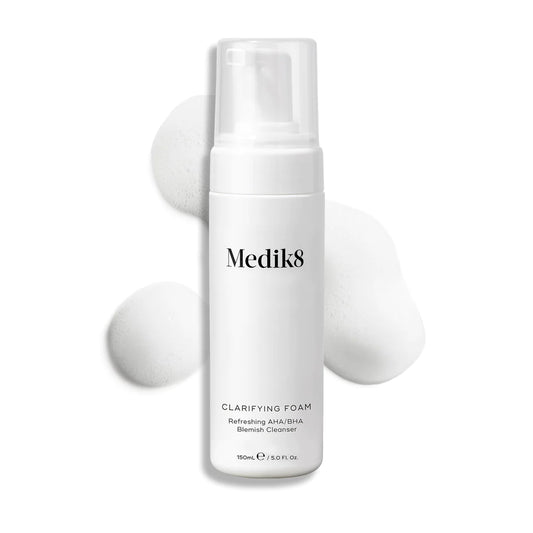
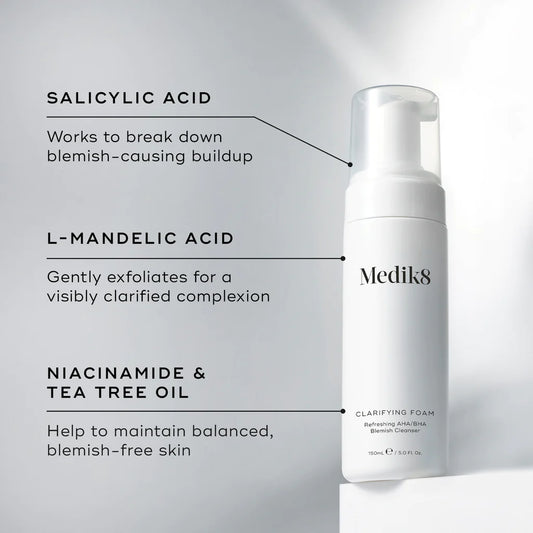
Medik8 Clarifying Foam
Vendor:MEDIK8Regular price £24.00Regular priceUnit price per -
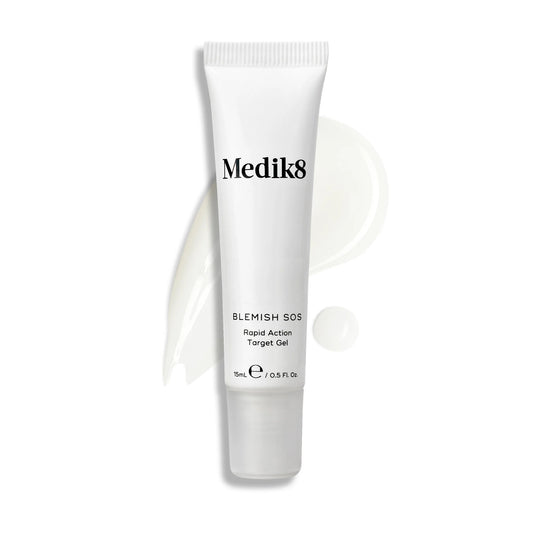
Medik8 Blemish SOS
Vendor:MEDIK8Regular price £25.00Regular priceUnit price per -
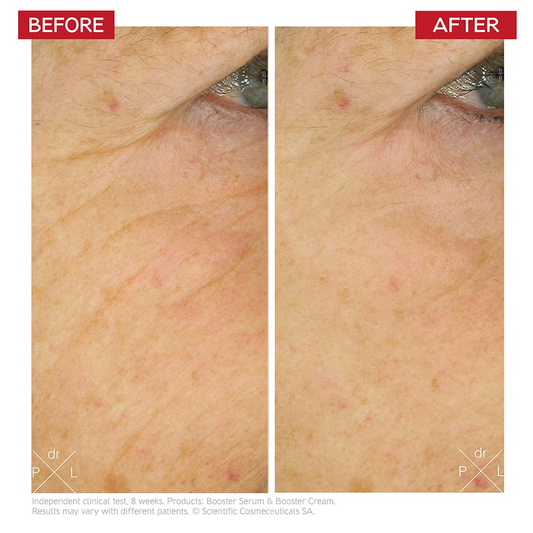
Dr. Levy Booster Cream
Vendor:Dr. LevyRegular price £232.00Regular priceUnit price per -
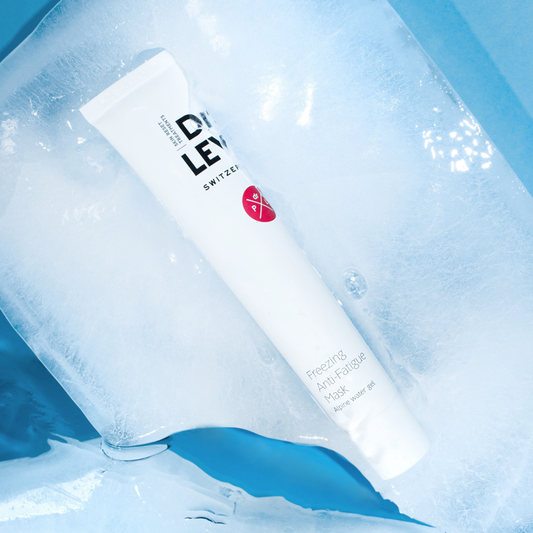
Dr. Levy Freezing Anti-Fatigue Mask – Alpine Water Gel
Vendor:Dr. LevyRegular price £56.00Regular priceUnit price per -
Dr. Levy’s Pigment Control Drops
Vendor:Dr. LevyRegular price £88.00Regular priceUnit price per -
Dr. Levy Pollution Shield 5PF
Vendor:Dr. LevyRegular price £63.00Regular priceUnit price per







Frequently Asked Questions
What does niacinamide do for skin?
Topical niacinamide can support barrier function and hydration and may improve the appearance of uneven tone and excess surface oil. Results depend on the finished product and consistent use.
Is 10% niacinamide better than 5%?
Not necessarily. Higher concentration does not guarantee a better result and may reduce comfort for some users. A well-formulated lower-percentage moisturiser can be more suitable than a concentrated serum.
Can niacinamide help blemish-prone skin?
It may help the skin look more balanced and can support a routine for blemish-prone skin, but it is not a substitute for evidence-based acne treatment. Seek medical advice for persistent, painful or scarring acne.
Can I use niacinamide with vitamin C?
Yes, most modern niacinamide and vitamin C products can be used in the same routine. If both formulas are new or potentially irritating, introduce them separately first.
Can I use niacinamide with retinol?
Often yes. Niacinamide is commonly paired with retinoid routines because it can be included in comfortable barrier-supporting formulas. Follow each product’s directions and introduce retinol gradually.
Can niacinamide cause flushing?
Niacinamide is different from flushing-associated nicotinic acid, but any finished product can irritate an individual’s skin. Persistent warmth, redness or itching is a reason to stop and review the formula.
How long does niacinamide take to work?
Hydration or comfort may be noticed sooner than changes in visible oiliness or uneven tone. Evaluate a tolerated product over the maker’s recommended period and keep sunscreen consistent.
Notes On Skincare
-

Fernblock®: the ingredient that makes Heliocare...
What is Fernblock® and why does it matter? A deep dive into the fern extract behind Heliocare 360°, the science, and why it's a genuine differentiator.
Fernblock®: the ingredient that makes Heliocare...
What is Fernblock® and why does it matter? A deep dive into the fern extract behind Heliocare 360°, the science, and why it's a genuine differentiator.
-

Heliocare 360°: Which SPF Is Right For Your Ski...
Our Heliocare 360° review breaks down every SPF50 formula by skin type, compares 360° vs Advanced, and helps you find your perfect match.
Heliocare 360°: Which SPF Is Right For Your Ski...
Our Heliocare 360° review breaks down every SPF50 formula by skin type, compares 360° vs Advanced, and helps you find your perfect match.
-

Why Perimenopause Can Feel Like a Second Adoles...
Breakouts and fine lines at the same time?! The wonderful world of perimenopause.
Why Perimenopause Can Feel Like a Second Adoles...
Breakouts and fine lines at the same time?! The wonderful world of perimenopause.


Let customers speak for us

Been using AVST moisturiser for couple years now vombined with AVSTSupet moisturiser plus and such a Difference it has made to my
once sensitive reactive skin

Have used for years and will continue using

Have used for years and would not give up using however

I use all Jane Iredale products the blusher is gorgeous like all of her products good for sensitive skin goes on smoothly.

Love this eye shadow goes on smoothly lovely colours ,good for my sensitive eyes like all Jane Iredale products.

Great suppliments and so easy to use

Great for softening lines around eyes

Makes skin a lot clearer of pigmentation

So easy to apply a smooth line with this pencil. I have tried propelling eye liner pencils but they break so easily.

I have used this primer for some time now and wouldn’t use any other. Makes putting make up on so much easier.

You can really fell the difference straight away from using this product. It leaves your skin feeling clean, clear and soft.

Love this product. It’s soft on your skin and leaves your skin feeling amazing and clean.

Great company fast snd efficient

Been using this for years, an absolutely amazing product! So good for healing and reducing redness on scars and damaged skin.

Great compact , to replace a broken different style one , very quick postage and value for money thank you