
-
Environ Skin EssentiA AVST 5 Moisturiser
Vendor:EnvironRegular price £63.00Regular priceUnit price per -
Environ Skin EssentiA AVST 3 Moisturiser
Vendor:EnvironRegular price £57.00Regular priceUnit price per -
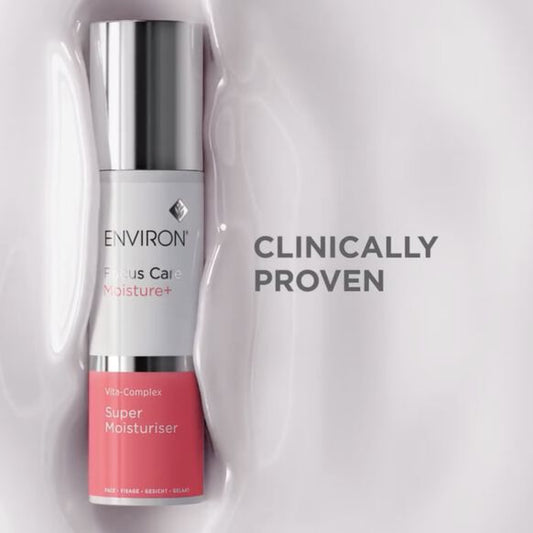
Environ Focus Care Moisture+ Vita-Complex Super Moisturiser
Vendor:EnvironRegular price £38.00Regular priceUnit price per -
Environ Skin EssentiA AVST 4 Moisturiser
Vendor:EnvironRegular price £63.00Regular priceUnit price per -
Environ Skin EssentiA AVST 2 Moisturiser
Vendor:EnvironRegular price £57.00Regular priceUnit price per -
Environ Skin EssentiA AVST 1 Moisturiser
Vendor:EnvironRegular price £57.00Regular priceUnit price per -
Environ Youth EssentiA Antioxidant Defence Crème Plus
Vendor:EnvironRegular price £87.00Regular priceUnit price per -
Environ Youth EssentiA Antioxidant Defence Crème
Vendor:EnvironRegular price £76.00Regular priceUnit price per -
Environ Focus Care Youth+ Tri-Peptide Complex Avance Moisturiser
Vendor:EnvironRegular price £82.00Regular priceUnit price per -
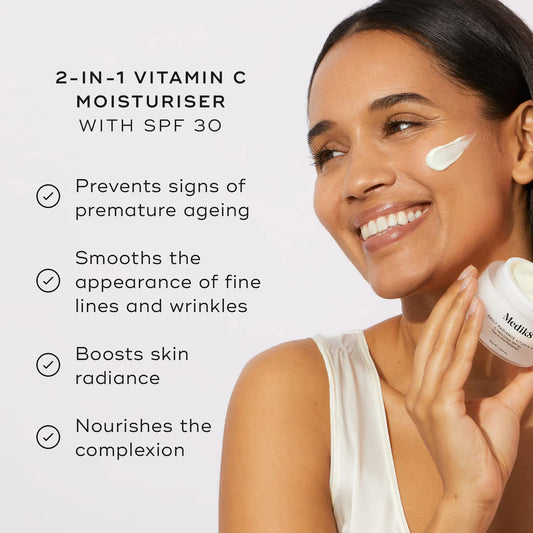
Medik8 Daily Radiance Vitamin C SPF 30
Vendor:MEDIK8Regular price £50.00Regular priceUnit price per£59.00Sale price £50.00Sale -
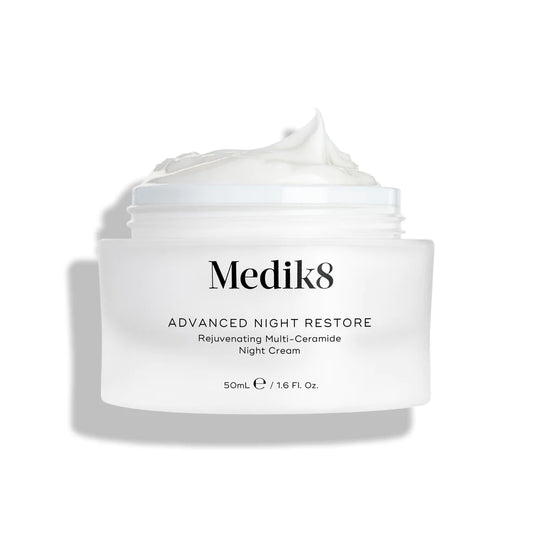
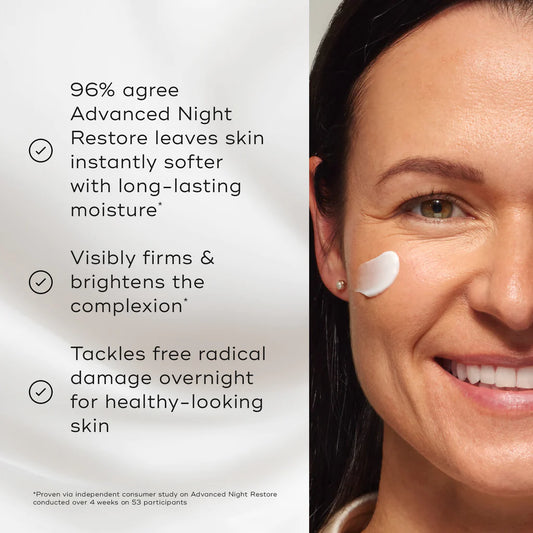
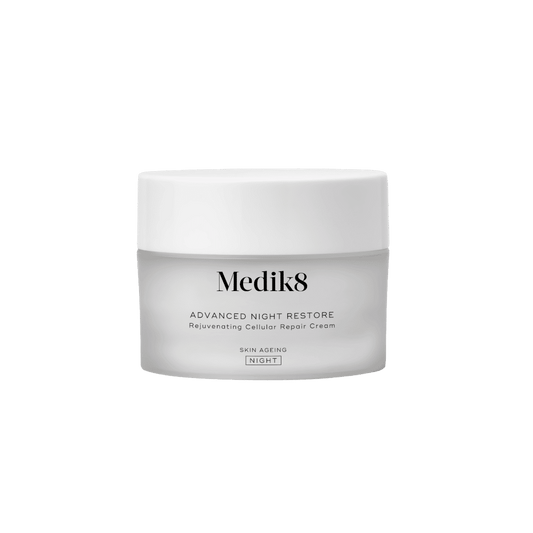
Medik8 Advanced Night Restore
Vendor:MEDIK8Regular price £59.00Regular priceUnit price per -
Medik8 Advanced Night Restore - Travel Size
Vendor:MEDIK8Regular price £19.00Regular priceUnit price per -
Medik8 Daily Radiance Vitamin C SPF 30 - Travel Size
Vendor:MEDIK8Regular price £19.00Regular priceUnit price per -
Olivella Anti-Wrinkle Olive Oil Cream with Hyaluronic Acid
Vendor:OLIVELLARegular price £35.00Regular priceUnit price per£0.00Sale price £35.00Sold out -
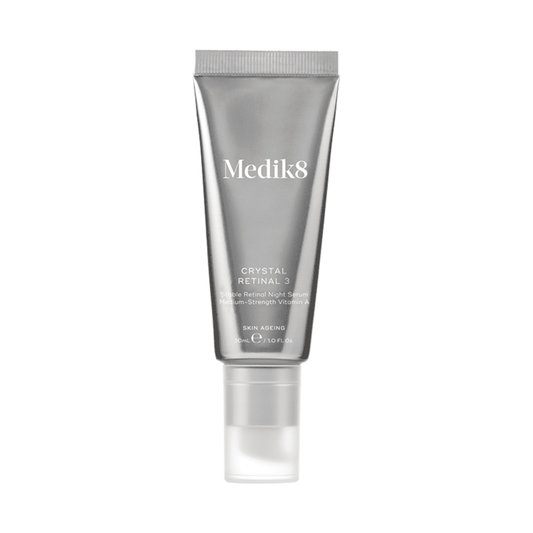
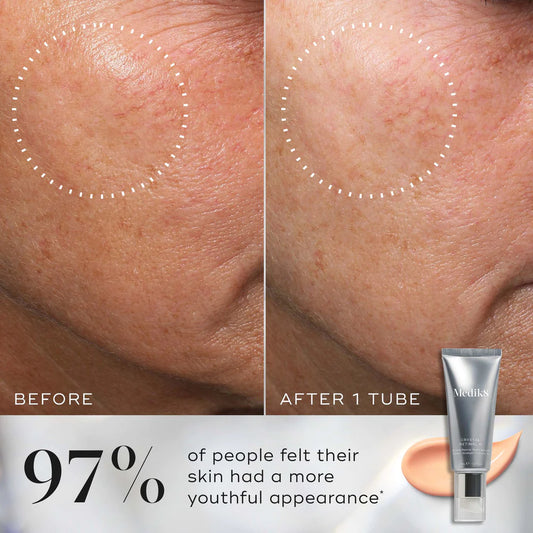
Medik8 Crystal Retinal 3
Vendor:MEDIK8Regular price £49.00Regular priceUnit price per -
Medik8 Advanced Day Ultimate Protect SPF 50
Vendor:MEDIK8Regular price £50.00Regular priceUnit price per£59.00Sale price £50.00Sale -
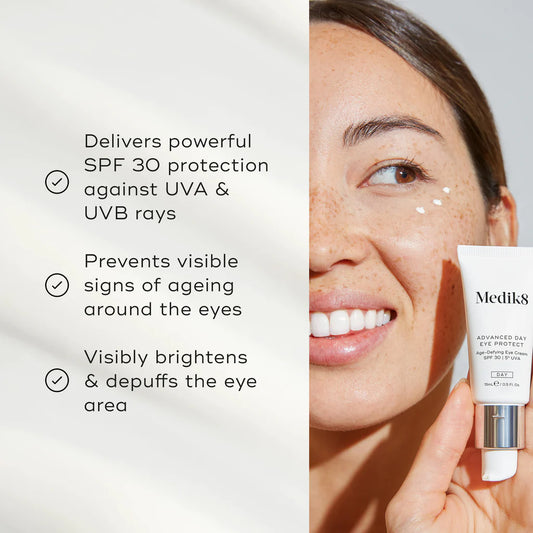
Medik8 Advanced Day Eye Protect SPF30
Vendor:MEDIK8Regular price £35.70Regular priceUnit price per£42.00Sale price £35.70Sale -
Medik8 C-Tetra Cream - Try Me / Travel Size
Vendor:MEDIK8Regular price £15.30Regular priceUnit price per£18.00Sale price £15.30Sale -
Medik8 C-Tetra™ Cream
Vendor:MEDIK8Regular price £42.50Regular priceUnit price per£50.00Sale price £42.50Sale -
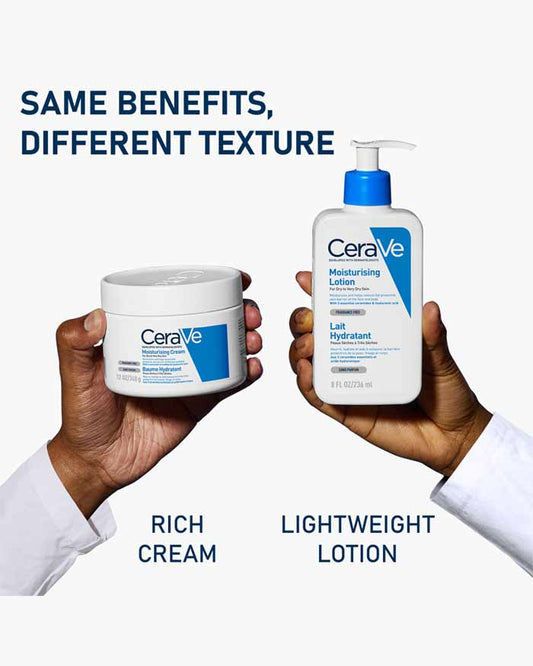
CeraVe Moisturising Cream 454g
Vendor:CeraVeRegular price £16.50Regular priceUnit price per -
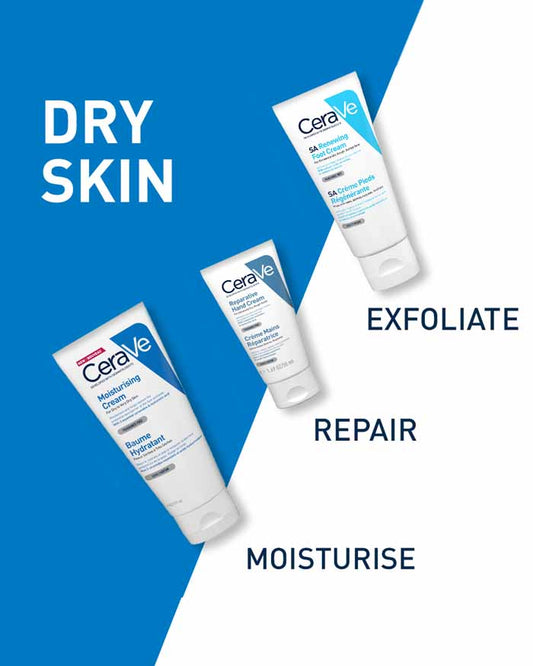
CeraVe Moisturising Cream Tube 50ml
Vendor:CeraVeRegular price £6.00Regular priceUnit price per -
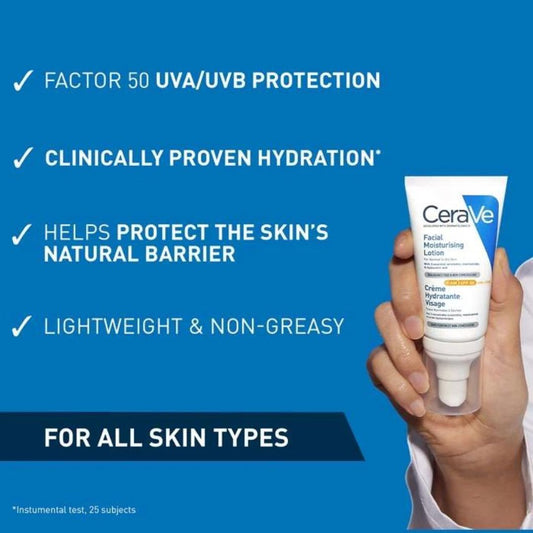
CeraVe AM Facial Moisturising Lotion SPF 50
Vendor:CeraVeRegular price £15.00Regular priceUnit price per -
Olivella Hydra Moisture Gel Cream
Vendor:OLIVELLARegular price £25.00Regular priceUnit price per -
Medik8 Advanced Day Total Protect SPF30
Vendor:MEDIK8Regular price £48.00Regular priceUnit price per£57.00Sale price £48.00Sale















Frequently Asked Questions
How do I choose a face moisturiser?
Choose a texture your skin will tolerate consistently. Dry skin often prefers cream; oily skin may prefer lotion or gel-cream; sensitive-feeling skin may favour a simpler formula. Then consider a specific concern or active ingredient. The best choice is comfortable and compatible with the rest of the routine.
Does oily skin need moisturiser?
Yes. Oiliness and hydration are different, and oily skin can still be dehydrated or irritated. Use a lightweight non-comedogenic lotion or gel-cream if rich textures feel heavy. Moisturiser is especially helpful when exfoliants, retinoids or acne treatments cause dryness.
What is the difference between day cream and night cream?
Day creams are often lighter and designed to layer under sunscreen or make-up. Night creams may be richer or contain ingredients intended for evening use. The labels are not strict scientific categories; a plain moisturiser can be used at either time if the formula suits your skin.
Should I apply moisturiser before or after serum?
Apply most water-based serums first, followed by moisturiser. Facial oils generally come after water-based products and can sit over moisturiser. Follow the manufacturer's directions when a product has a specific layering method.
Can moisturiser with SPF replace sunscreen?
It can provide labelled protection only if applied in an adequate, even amount and reapplied when required. Many people apply less moisturiser than the amount required for a sunscreen test. A dedicated broad-spectrum SPF 30 or higher is the clearer choice for reliable protection.
What moisturiser ingredients help dry skin?
Glycerin and hyaluronic acid help attract water, while ceramides, squalane and other emollients support softness and the outer barrier. Occlusive ingredients reduce water loss. The overall formula and texture matter more than one highlighted ingredient.
Can I use a retinol moisturiser every night?
Not necessarily. Start at the frequency directed for the specific product and increase only if the skin remains comfortable. Do not begin several retinoids or exfoliants together. Avoid cosmetic retinoids during pregnancy and seek advice if you use prescription treatment.
Notes On Skincare
-

Fernblock®: the ingredient that makes Heliocare...
What is Fernblock® and why does it matter? A deep dive into the fern extract behind Heliocare 360°, the science, and why it's a genuine differentiator.
Fernblock®: the ingredient that makes Heliocare...
What is Fernblock® and why does it matter? A deep dive into the fern extract behind Heliocare 360°, the science, and why it's a genuine differentiator.
-

Heliocare 360°: Which SPF Is Right For Your Ski...
Our Heliocare 360° review breaks down every SPF50 formula by skin type, compares 360° vs Advanced, and helps you find your perfect match.
Heliocare 360°: Which SPF Is Right For Your Ski...
Our Heliocare 360° review breaks down every SPF50 formula by skin type, compares 360° vs Advanced, and helps you find your perfect match.
-

Why Perimenopause Can Feel Like a Second Adoles...
Breakouts and fine lines at the same time?! The wonderful world of perimenopause.
Why Perimenopause Can Feel Like a Second Adoles...
Breakouts and fine lines at the same time?! The wonderful world of perimenopause.


Let customers speak for us

Been using AVST moisturiser for couple years now vombined with AVSTSupet moisturiser plus and such a Difference it has made to my
once sensitive reactive skin

Have used for years and will continue using

Have used for years and would not give up using however

I use all Jane Iredale products the blusher is gorgeous like all of her products good for sensitive skin goes on smoothly.

Love this eye shadow goes on smoothly lovely colours ,good for my sensitive eyes like all Jane Iredale products.

Great suppliments and so easy to use

Great for softening lines around eyes

Makes skin a lot clearer of pigmentation

So easy to apply a smooth line with this pencil. I have tried propelling eye liner pencils but they break so easily.

I have used this primer for some time now and wouldn’t use any other. Makes putting make up on so much easier.

You can really fell the difference straight away from using this product. It leaves your skin feeling clean, clear and soft.

Love this product. It’s soft on your skin and leaves your skin feeling amazing and clean.

Great company fast snd efficient

Been using this for years, an absolutely amazing product! So good for healing and reducing redness on scars and damaged skin.

Great compact , to replace a broken different style one , very quick postage and value for money thank you