
-
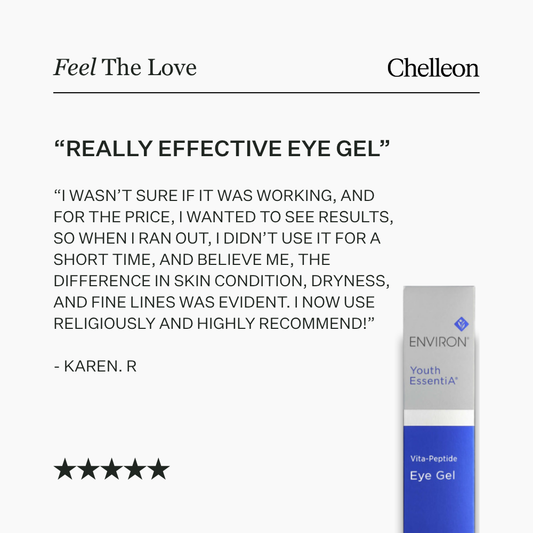
Environ Youth EssentiA Vita-Peptide Eye Gel
Vendor:EnvironRegular price £67.00Regular price -
Environ Skin EssentiA Eye Gel
Vendor:EnvironRegular price £41.00Regular price -
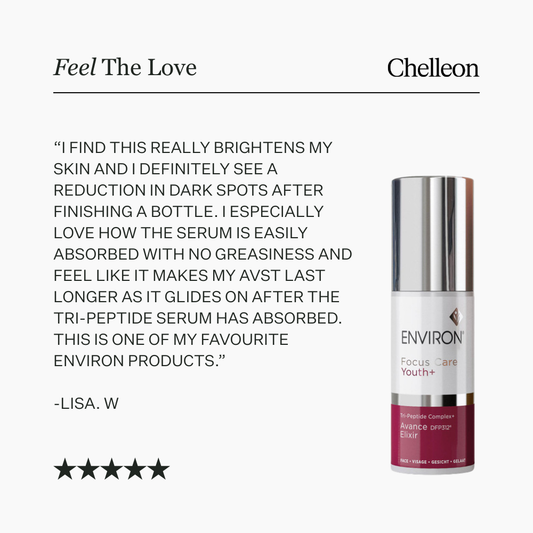
Environ Focus Care Youth+ Tri-Peptide Complex+ Avance Elixir
Vendor:EnvironRegular price £93.00Regular price -
Environ Youth EssentiA Vita-Peptide C-Quence Serum 4 Plus
Vendor:EnvironRegular price £118.00Regular price -
Environ Youth EssentiA Antioxidant Defence Crème Plus
Vendor:EnvironRegular price £87.00Regular price -
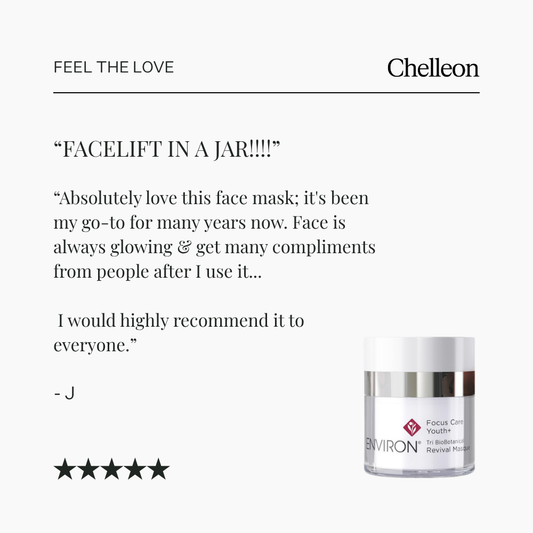
Environ Focus Care Youth+ Tri-Biobotanical Revival Masque
Vendor:EnvironRegular price £66.00Regular price -
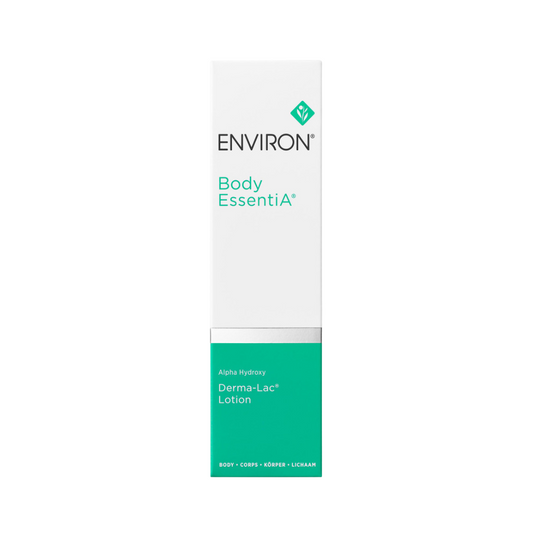
Environ Alpha Hydroxy Derma-Lac Lotion
Vendor:EnvironRegular price £48.00Regular price -
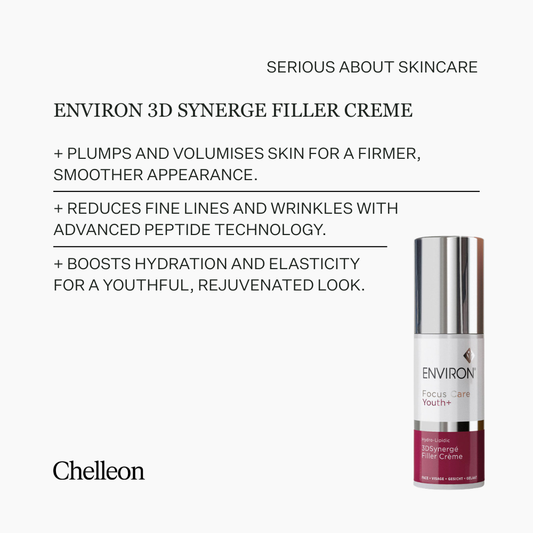
Environ Focus Care Youth+ Hydro-Lipidic 3D Synergé Filler Creme
Vendor:EnvironRegular price £88.00Regular price -
Environ Youth EssentiA Antioxidant Defence Crème
Vendor:EnvironRegular price £76.00Regular price -
Environ Youth EssentiA C-Quence Serum 4
Vendor:EnvironRegular price £112.00Regular price -
Environ Focus Care Youth+ Tri-Peptide Complex Avance Moisturiser
Vendor:EnvironRegular price £82.00Regular price -
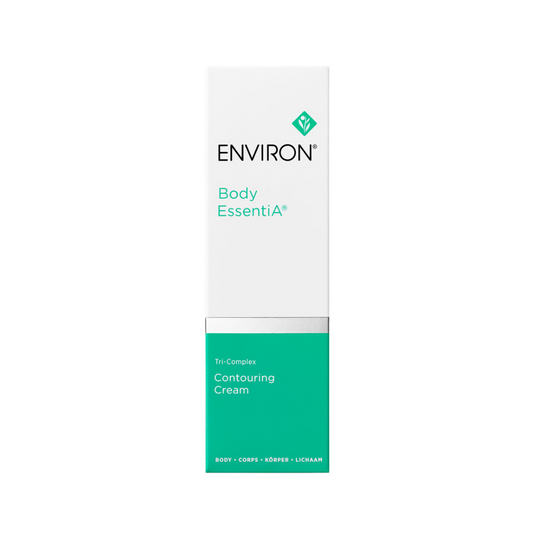
Environ Body EssentiA Tri-Complex+ Contouring Cream
Vendor:EnvironRegular price £46.00Regular price -
Environ Youth EssentiA C-Quence Serum 3
Vendor:EnvironRegular price £103.00Regular price -
Environ Youth EssentiA C-Quence Serum 2
Vendor:EnvironRegular price £103.00Regular price -
Environ Youth EssentiA C-Quence Serum 1
Vendor:EnvironRegular price £103.00Regular price -
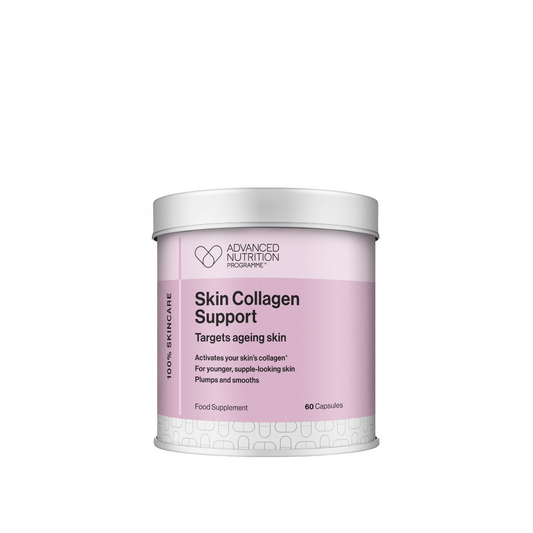
Advanced Nutrition Programme Skin Collagen Support
Vendor:Advanced Nutrition ProgrammeRegular price £43.00Regular price -
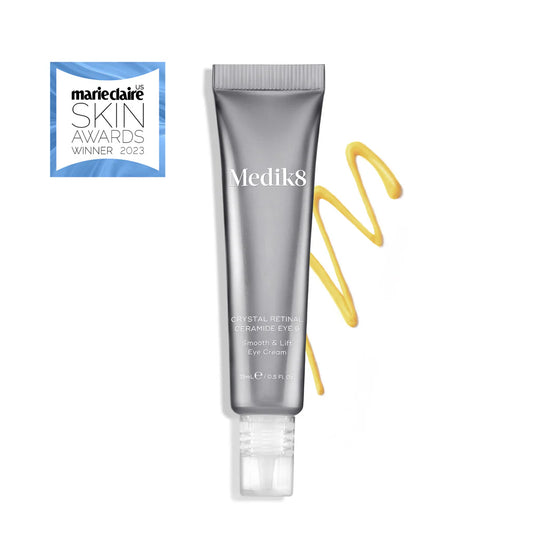
Medik8 Crystal Retinal® Ceramide Eye
Vendor:MEDIK8Regular price From £38.00Regular price£65.00Sale price From £38.00Sale -
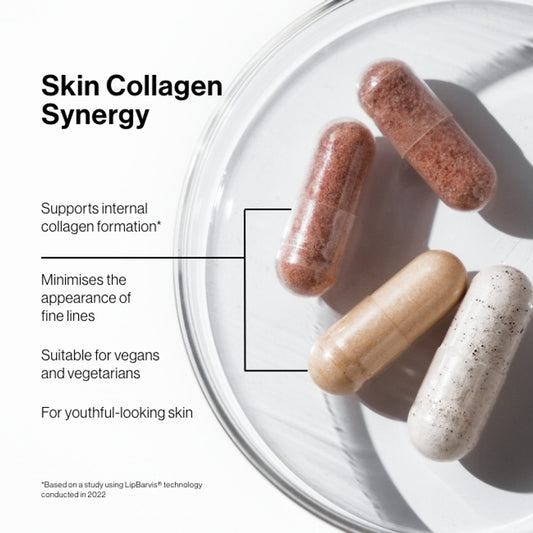
Advanced Nutrition Programme Skin Collagen Synergy
Vendor:Advanced Nutrition ProgrammeRegular price £62.00Regular price -
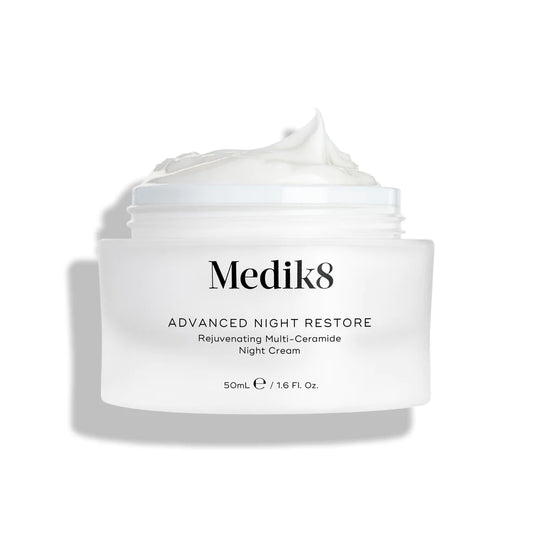
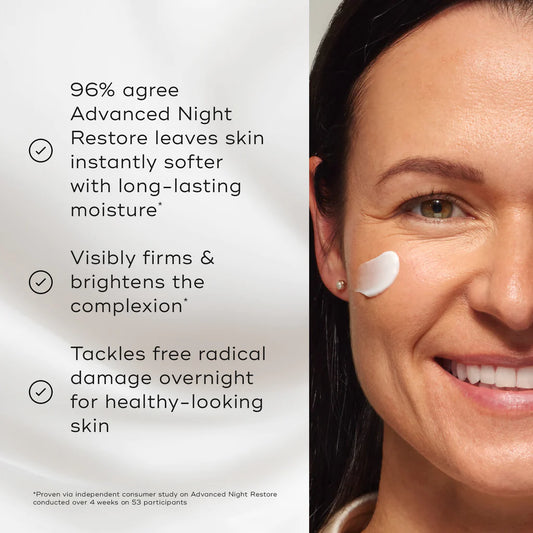
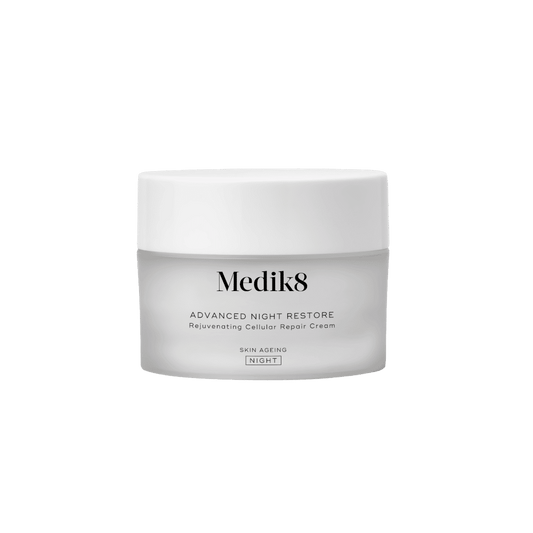
Medik8 Advanced Night Restore
Vendor:MEDIK8Regular price £59.00Regular price -
Medik8 Crystal Retinal 1
Vendor:MEDIK8Regular price £38.25Regular price£45.00Sale price £38.25Sale -
Medik8 Advanced Night Restore - Travel Size
Vendor:MEDIK8Regular price £19.00Regular price -
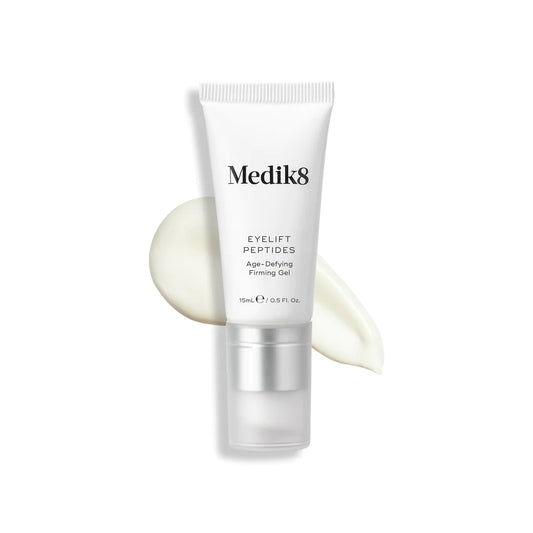
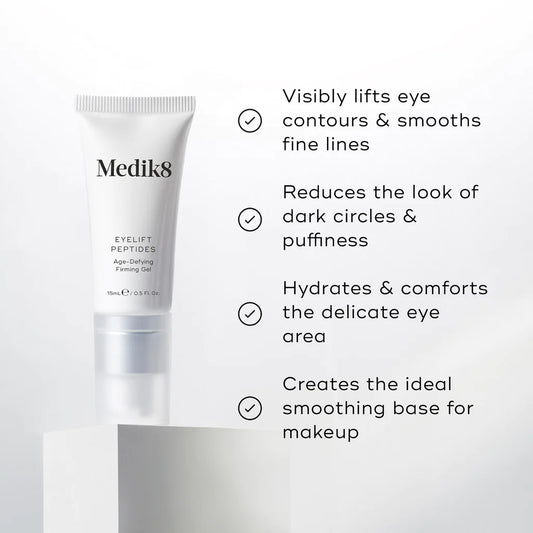
Medik8 Eyelift™ Peptides
Vendor:MEDIK8Regular price £45.00Regular price -
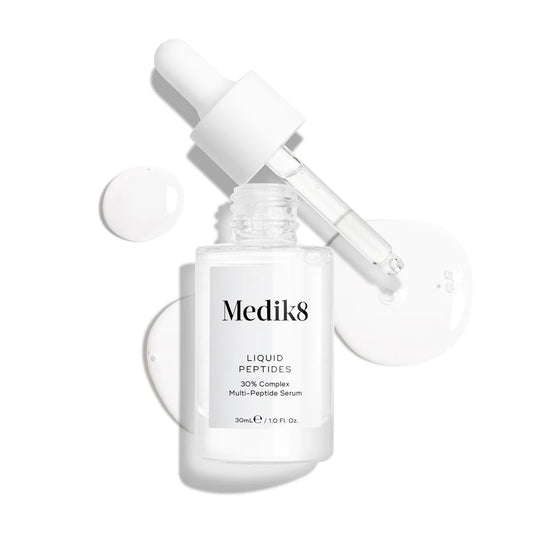
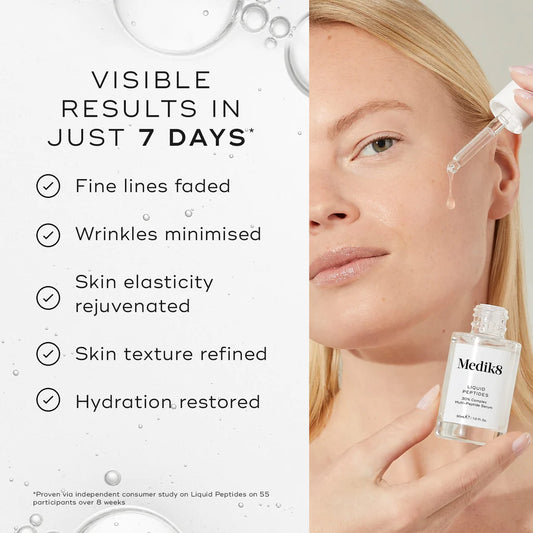
Medik8 Liquid Peptides
Vendor:MEDIK8Regular price £55.00Regular price -
Medik8 Advanced Night Eye - 15ml
Vendor:MEDIK8Regular price £42.00Regular price
















Frequently Asked Questions
Do firming face creams really work?
Firming creams can improve hydration, smoothness and the visible appearance of firmness, particularly when they contain well-formulated retinoids, peptides, antioxidants and moisturising ingredients. They cannot tighten underlying tissue or recreate the effect of surgery. The most credible expectation is healthier, smoother-looking and more resilient skin with consistent use and daily sun protection.
What is the difference between lifting, firming and tightening skincare?
These are cosmetic descriptions rather than standard medical categories. “Firming” generally refers to improving the appearance of elasticity and resilience. “Tightening” often describes a temporary smoother feel or appearance, and “lifting” is usually used for a more defined look. Product claims should be judged by the ingredients, directions and evidence—not the label alone.
Which ingredients should I look for in firming skincare?
Retinol or other cosmetic vitamin-A products, peptides and vitamin C are useful active categories. Hyaluronic acid, glycerin and ceramides improve hydration and barrier support, which can make crepey skin look smoother. Daily broad-spectrum SPF is essential because sun exposure contributes to loss of elasticity and other visible signs of photoageing.
Should I choose a serum or a firming face cream?
A serum usually provides a targeted active step, while a cream supplies moisturising and barrier-supporting ingredients. Many routines use both: serum first, then cream. If the skin is sensitive or the budget is limited, one well-tolerated targeted product plus moisturiser and SPF is better than several overlapping actives.
Can I use the same firming product on my face, neck and eyes?
Not automatically. The eye and neck areas can be more sensitive, and body-firming creams may contain textures or ingredients not intended for facial use. Follow each product's directions and use an eye product only where the label permits. Introduce neck and eye formulas gradually and stop if persistent irritation develops.
At what age should I start using firming skincare?
There is no required age. Choose products according to visible concerns, skin type and tolerance rather than a birthday. Daily sunscreen, gentle cleansing and moisturising are useful at any adult age. Add peptides, vitamin C or retinol when they match a genuine concern and can be used consistently.
How long does firming skincare take to show results?
Hydrating products can improve surface smoothness within days, while changes in the appearance of firmness and fine lines generally require consistent use for 8–12 weeks or longer. Take photographs in similar lighting and avoid changing several products simultaneously. If a product promises an instant permanent lift, treat the claim with caution.
-

Fernblock®: the ingredient that makes Heliocare...
What is Fernblock® and why does it matter? A deep dive into the fern extract behind Heliocare 360°, the science, and why it's a genuine differentiator.
Fernblock®: the ingredient that makes Heliocare...
What is Fernblock® and why does it matter? A deep dive into the fern extract behind Heliocare 360°, the science, and why it's a genuine differentiator.
-

Heliocare 360°: Which SPF Is Right For Your Ski...
Our Heliocare 360° review breaks down every SPF50 formula by skin type, compares 360° vs Advanced, and helps you find your perfect match.
Heliocare 360°: Which SPF Is Right For Your Ski...
Our Heliocare 360° review breaks down every SPF50 formula by skin type, compares 360° vs Advanced, and helps you find your perfect match.
-

Why Perimenopause Can Feel Like a Second Adoles...
Breakouts and fine lines at the same time?! The wonderful world of perimenopause.
Why Perimenopause Can Feel Like a Second Adoles...
Breakouts and fine lines at the same time?! The wonderful world of perimenopause.


Let customers speak for us

Love ot

Love this product, so easy to use

Revitabrow as always good and delivered quickly and efficienty

I treated myself to this fantastic collection from Environ and good value too. Cannot fault any of the items.

Great product. Excellent customer service. Prompt delivery

I have found that the concealer is very easy to apply and is not sticky and thick to apply and gives a nice even finish

Love this moisturiser, my skin looks great

My skin feels and looks great

This is my 1st time using the eye cream. I love it and the results are instant. A small amount goes a long way..

Buying the twin set is value for money. I’ve been using this product for a number of years and have received lots of comments on how my skin has a lovely glow
An expensive serum, but I love it. My skin feels hydrated and nourished.

These are great, I add to mt night moisturiser, gives an extra hydration boost

Love this mask, leaves your skin like glass, love it!

Love this oil, a little goes a long way. It sinks into the skin beautifully, leaving it so soft

Good