
-
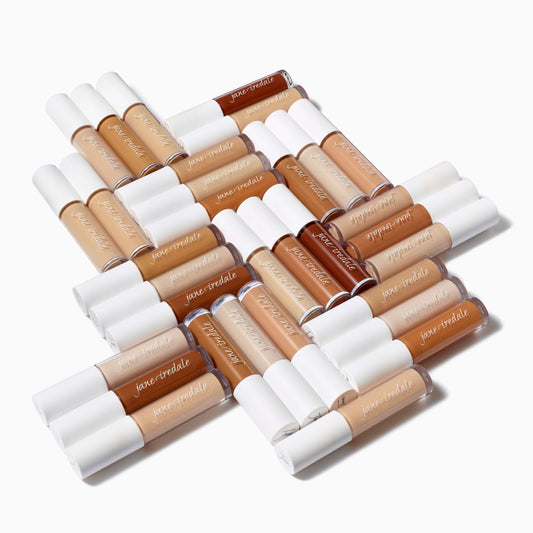
Jane Iredale PureMatch Perfecting Concealer
Vendor:JANE IREDALERegular price From £22.00Regular priceUnit price per -
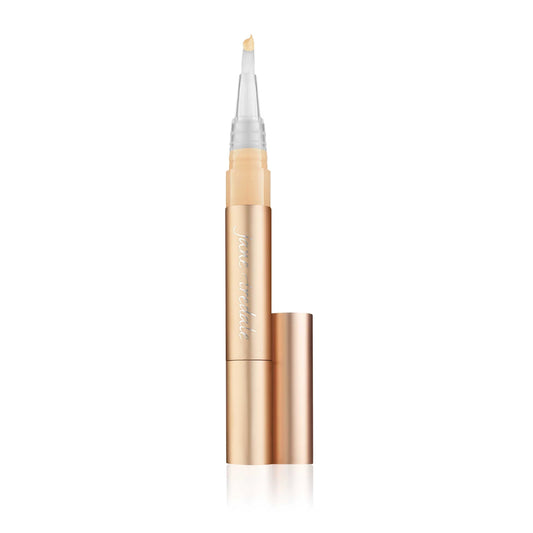
Jane Iredale Active Light® Under-eye Concealer
Vendor:JANE IREDALERegular price £25.00Regular priceUnit price per -
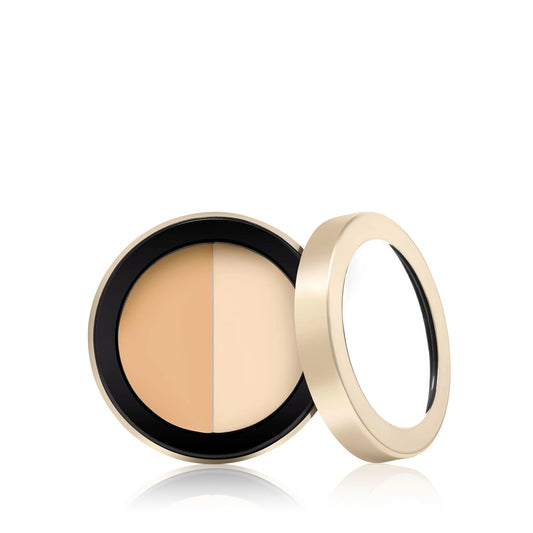
Jane Iredale CircleDelete® Concealer
Vendor:JANE IREDALERegular price £27.00Regular priceUnit price per -
et al. Intelligent Skin Cream Concealer
Vendor:et al.Regular price £29.00Regular priceUnit price per -
Jane Iredale Enlighten Plus Concealer™ SPF 20
Vendor:JANE IREDALERegular price £35.00Regular priceUnit price per



Frequently Asked Questions
Should concealer go before or after foundation?
Either order can work. Starting with foundation often reduces the amount of concealer you need; you may apply a corrector or very targeted camouflage first. Use thin layers and judge the finished result rather than following a universal rule.
What is the difference between under-eye and face concealer?
Under-eye formulas often prioritise flexibility and brightness, while face concealers may prioritise targeted coverage and staying power. Check the product’s stated application area, as not every formula is intended for use near the eyes.
How do I choose a concealer shade for dark circles?
Match the depth closely enough to blend with the surrounding skin. A slightly brighter shade can lift the look; a peach-toned corrector can help counteract blue or purple shadows. Avoid going so pale that the area appears grey.
How can I reduce concealer creasing?
Use a small amount, tap it into thin layers, and remove any product that has collected in fine lines before applying a minimal amount of setting powder if needed. Heavy eye cream, too much concealer, or too much powder can emphasise texture.
Can the same concealer cover under-eyes and blemishes?
Yes, if the product is labelled for both and its finish suits both areas. A shade that brightens under the eyes may be too light for a blemish, so you may still need separate shades.
Is a concealer brush better than fingers?
A small brush enables precise placement; clean fingers add warmth and can press product into the skin; a sponge softens edges. The best method depends on the formula and coverage, but keep any tool that touches the face clean and don’t share it.
Notes On Skincare
-

Fernblock®: the ingredient that makes Heliocare...
What is Fernblock® and why does it matter? A deep dive into the fern extract behind Heliocare 360°, the science, and why it's a genuine differentiator.
Fernblock®: the ingredient that makes Heliocare...
What is Fernblock® and why does it matter? A deep dive into the fern extract behind Heliocare 360°, the science, and why it's a genuine differentiator.
-

Heliocare 360°: Which SPF Is Right For Your Ski...
Our Heliocare 360° review breaks down every SPF50 formula by skin type, compares 360° vs Advanced, and helps you find your perfect match.
Heliocare 360°: Which SPF Is Right For Your Ski...
Our Heliocare 360° review breaks down every SPF50 formula by skin type, compares 360° vs Advanced, and helps you find your perfect match.
-

Why Perimenopause Can Feel Like a Second Adoles...
Breakouts and fine lines at the same time?! The wonderful world of perimenopause.
Why Perimenopause Can Feel Like a Second Adoles...
Breakouts and fine lines at the same time?! The wonderful world of perimenopause.


Let customers speak for us

Been using AVST moisturiser for couple years now vombined with AVSTSupet moisturiser plus and such a Difference it has made to my
once sensitive reactive skin

Have used for years and will continue using

Have used for years and would not give up using however

I use all Jane Iredale products the blusher is gorgeous like all of her products good for sensitive skin goes on smoothly.

Love this eye shadow goes on smoothly lovely colours ,good for my sensitive eyes like all Jane Iredale products.

Great suppliments and so easy to use

Great for softening lines around eyes

Makes skin a lot clearer of pigmentation

So easy to apply a smooth line with this pencil. I have tried propelling eye liner pencils but they break so easily.

I have used this primer for some time now and wouldn’t use any other. Makes putting make up on so much easier.

You can really fell the difference straight away from using this product. It leaves your skin feeling clean, clear and soft.

Love this product. It’s soft on your skin and leaves your skin feeling amazing and clean.

Great company fast snd efficient

Been using this for years, an absolutely amazing product! So good for healing and reducing redness on scars and damaged skin.

Great compact , to replace a broken different style one , very quick postage and value for money thank you