
-
Environ Skin EssentiA AVST 5 Moisturiser
Vendor:EnvironRegular price £63.00Regular priceUnit price per -
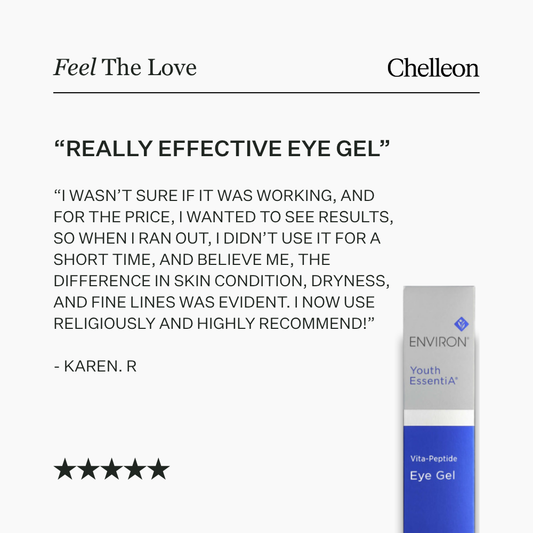
Environ Youth EssentiA Vita-Peptide Eye Gel
Vendor:EnvironRegular price £67.00Regular priceUnit price per -
Environ Skin EssentiA AVST 3 Moisturiser
Vendor:EnvironRegular price £57.00Regular priceUnit price per -
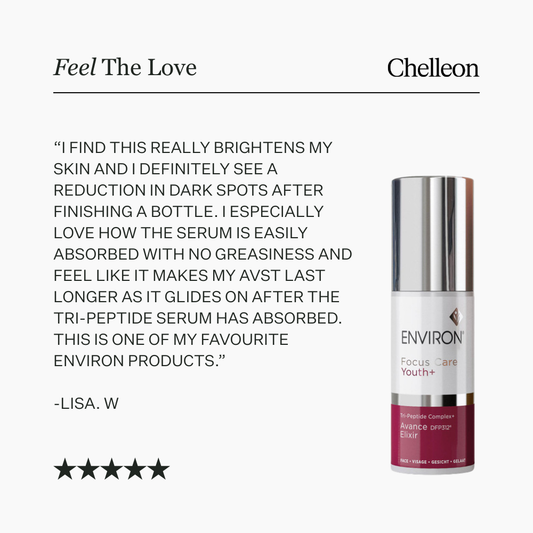
Environ Focus Care Youth+ Tri-Peptide Complex+ Avance Elixir
Vendor:EnvironRegular price £93.00Regular priceUnit price per -
Environ Youth EssentiA Vita-Peptide C-Quence Serum 4 Plus
Vendor:EnvironRegular price £118.00Regular priceUnit price per -
Environ Youth EssentiA Vita-Peptide Toner
Vendor:EnvironRegular price £54.00Regular priceUnit price per -
Environ Youth EssentiA Antioxidant Defence Crème Plus
Vendor:EnvironRegular price £87.00Regular priceUnit price per -
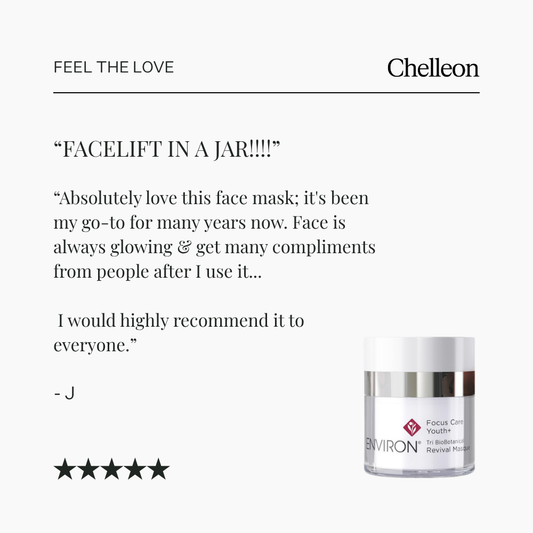
Environ Focus Care Youth+ Tri-Biobotanical Revival Masque
Vendor:EnvironRegular price £66.00Regular priceUnit price per -
Environ Youth EssentiA Antioxidant Defence Crème
Vendor:EnvironRegular price £76.00Regular priceUnit price per -
Environ Youth EssentiA C-Quence Serum 4
Vendor:EnvironRegular price £112.00Regular priceUnit price per -
Environ Tri-Retinoid Complex Retinol Serum Forte
Vendor:EnvironRegular price £61.00Regular priceUnit price per -
Environ Youth EssentiA C-Quence Serum 3
Vendor:EnvironRegular price £103.00Regular priceUnit price per -
Environ Youth EssentiA C-Quence Serum 2
Vendor:EnvironRegular price £103.00Regular priceUnit price per -
Advanced Nutrition Programme Skin Vit A+
Vendor:Advanced Nutrition ProgrammeRegular price £24.00Regular priceUnit price per -
Environ Youth EssentiA C-Quence Serum 1
Vendor:EnvironRegular price £103.00Regular priceUnit price per -
Advanced Nutrition Programme Skin Youth Biome™ 60 Capsules
Vendor:Advanced Nutrition ProgrammeRegular price £61.00Regular priceUnit price per -
Environ Tri-Retinoid Complex Retinol Serum
Vendor:EnvironRegular price £53.00Regular priceUnit price per -
Advanced Nutrition Programme Skin Ultimate
Vendor:Advanced Nutrition ProgrammeRegular price £75.00Regular priceUnit price per -
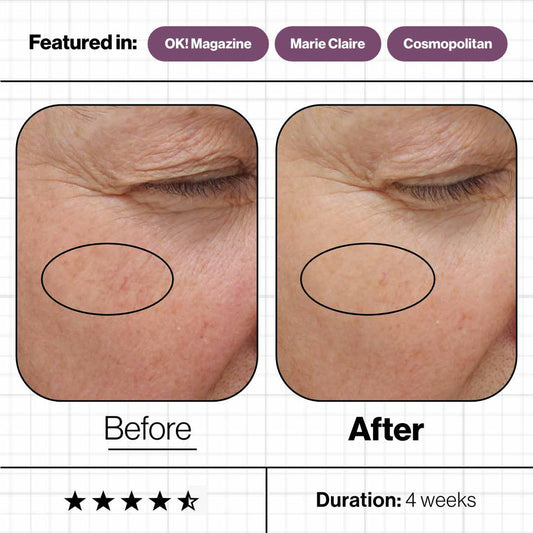
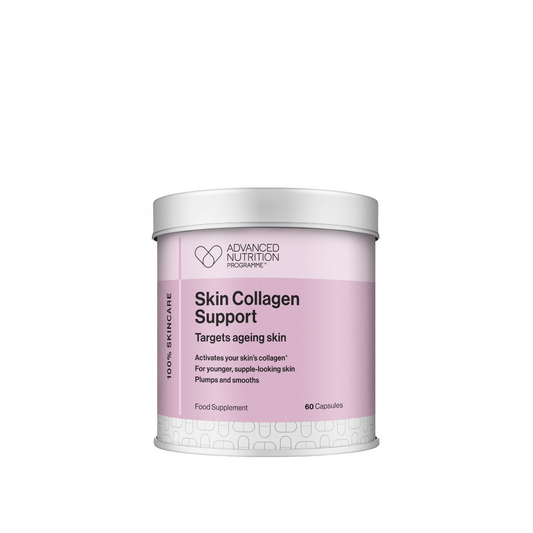
Advanced Nutrition Programme Skin Collagen Support
Vendor:Advanced Nutrition ProgrammeRegular price £43.00Regular priceUnit price per -
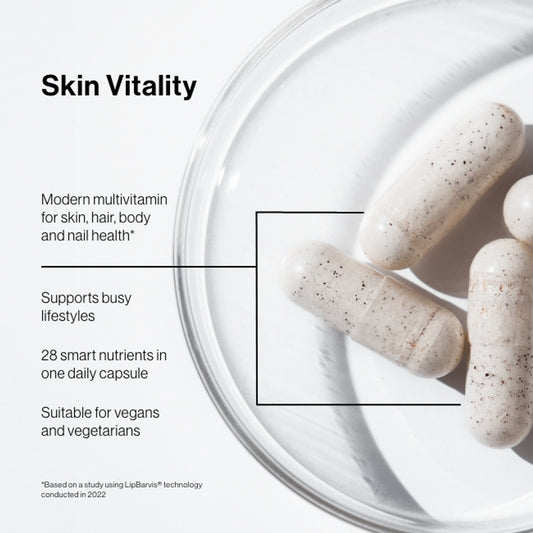
Advanced Nutrition Programme Skin Vitality
Vendor:Advanced Nutrition ProgrammeRegular price £37.00Regular priceUnit price per -
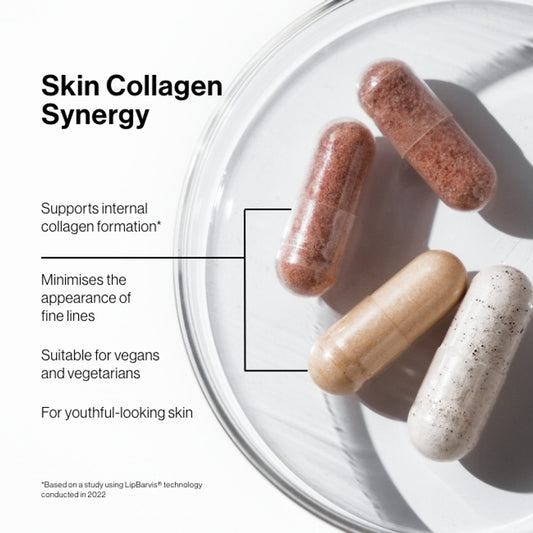
Advanced Nutrition Programme Skin Collagen Synergy
Vendor:Advanced Nutrition ProgrammeRegular price £62.00Regular priceUnit price per -
Advanced Nutrition Programme Skin Moisture IQ
Vendor:Advanced Nutrition ProgrammeRegular price £81.00Regular priceUnit price per -
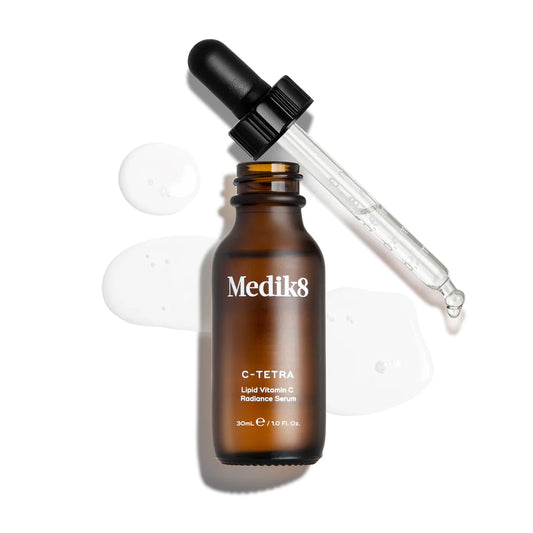
Medik8 C-Tetra®
Vendor:MEDIK8Regular price £39.00Regular priceUnit price per -
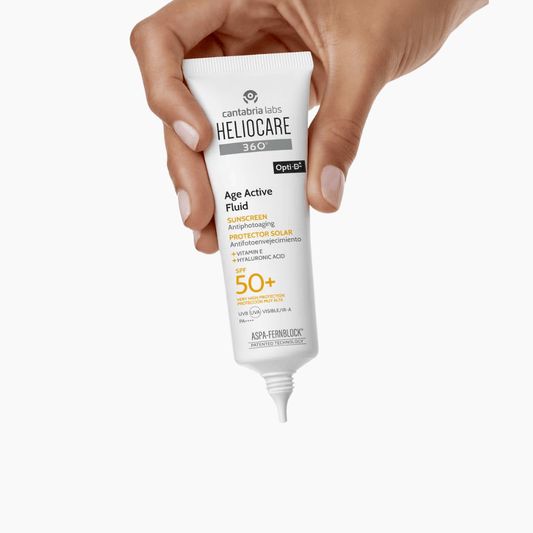
Heliocare® 360° Age Active Fluid SPF 50
Vendor:HeliocareRegular price £26.40Regular priceUnit price per£33.00Sale price £26.40Sale












Frequently Asked Questions
What is the difference between fine lines and wrinkles?
Fine lines are usually shallower creases that can look more obvious when skin is dry or during facial movement. Wrinkles are deeper folds that may remain visible when the face is relaxed. The terms overlap in everyday use, and the same routine—sun protection, moisturising and well-tolerated active ingredients—can help improve the appearance of both.
Which ingredients are best for fine lines and wrinkles?
Retinol and other retinoids have the strongest established role in cosmetic routines for mild fine lines. Peptides and vitamin C can support a firming, antioxidant-focused routine, while hyaluronic acid, glycerin and ceramides improve hydration and barrier comfort. No single ingredient suits everyone, so choose according to skin type, tolerance and current experience.
Can skincare remove deep wrinkles?
No cosmetic product can completely remove a deep wrinkle. Good skincare can improve hydration, smoothness, radiance and the visible severity of some lines, while sunscreen helps limit further photoageing. Deeper or established wrinkles may require medical or in-clinic options. Chelleon product copy should use “helps improve the appearance” rather than “erases” or “removes”.
How should I start using retinol?
Choose an introductory-strength product, apply it at night as directed and begin less frequently rather than every evening. Increase only when the skin remains comfortable. Use moisturiser and daily broad-spectrum SPF, and avoid adding several new acids or exfoliants at the same time. Select Environ products according to the brand's step-up guidance.
Can I use retinol around my eyes?
Only use a product in the eye area if its instructions specifically say that it is suitable there. The eyelid and under-eye area are more prone to irritation than the rest of the face. Apply sparingly, avoid the lash line and stop if persistent stinging, swelling or redness develops. A dedicated eye formula may be easier to tolerate.
How long does anti-wrinkle skincare take to work?
Hydrating products can make the skin look plumper quickly, but changes from retinol, peptides or antioxidant routines take longer. Assess a consistent routine after about 8–12 weeks, using photographs in similar lighting. More noticeable changes may take several months. Switching products too frequently makes it difficult to identify what is helping or causing irritation.
Do I still need SPF if I only use anti-ageing products at night?
Yes. Ultraviolet exposure contributes to wrinkles, pigmentation and reduced elasticity regardless of when active products are applied. Use broad-spectrum SPF 30 or higher every morning and reapply according to exposure and the sunscreen instructions. Sun protection is the foundation of a routine designed to prevent premature visible ageing.
Notes On Skincare
-

Fernblock®: the ingredient that makes Heliocare...
What is Fernblock® and why does it matter? A deep dive into the fern extract behind Heliocare 360°, the science, and why it's a genuine differentiator.
Fernblock®: the ingredient that makes Heliocare...
What is Fernblock® and why does it matter? A deep dive into the fern extract behind Heliocare 360°, the science, and why it's a genuine differentiator.
-

Heliocare 360°: Which SPF Is Right For Your Ski...
Our Heliocare 360° review breaks down every SPF50 formula by skin type, compares 360° vs Advanced, and helps you find your perfect match.
Heliocare 360°: Which SPF Is Right For Your Ski...
Our Heliocare 360° review breaks down every SPF50 formula by skin type, compares 360° vs Advanced, and helps you find your perfect match.
-

Why Perimenopause Can Feel Like a Second Adoles...
Breakouts and fine lines at the same time?! The wonderful world of perimenopause.
Why Perimenopause Can Feel Like a Second Adoles...
Breakouts and fine lines at the same time?! The wonderful world of perimenopause.


Let customers speak for us

Excellent product which I have been using for years

Excellent products which enhance the quality and appearance of the skin

Been using AVST moisturiser for couple years now vombined with AVSTSupet moisturiser plus and such a Difference it has made to my
once sensitive reactive skin

Have used for years and will continue using

Have used for years and would not give up using however

I use all Jane Iredale products the blusher is gorgeous like all of her products good for sensitive skin goes on smoothly.

Love this eye shadow goes on smoothly lovely colours ,good for my sensitive eyes like all Jane Iredale products.

Great suppliments and so easy to use

Great for softening lines around eyes

Makes skin a lot clearer of pigmentation

So easy to apply a smooth line with this pencil. I have tried propelling eye liner pencils but they break so easily.

I have used this primer for some time now and wouldn’t use any other. Makes putting make up on so much easier.

You can really fell the difference straight away from using this product. It leaves your skin feeling clean, clear and soft.

Love this product. It’s soft on your skin and leaves your skin feeling amazing and clean.

Great company fast snd efficient