
-
Environ Youth EssentiA Hydra Intense Cleansing Lotion
Vendor:EnvironRegular price £48.00Regular priceUnit price per -
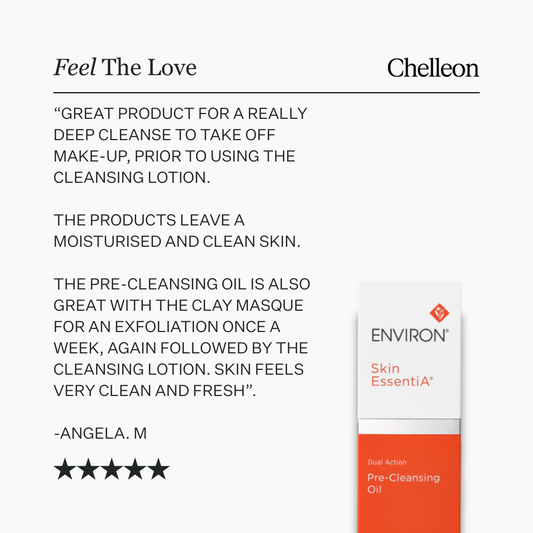
Environ Skin EssentiA Pre-Cleansing Oil
Vendor:EnvironRegular price £28.00Regular priceUnit price per -
Environ Skin EssentiA Mild Cleansing Lotion
Vendor:EnvironRegular price £45.00Regular priceUnit price per -
Environ Focus Care Clarity+ Botanical Infused Sebu-Wash Gel Cleanser
Vendor:EnvironRegular price £36.00Regular priceUnit price per -
Environ Skin EssentiA Low Foam Cleansing Gel
Vendor:EnvironRegular price £45.00Regular priceUnit price per -
Environ MicroFibre Cleansing Mitts
Vendor:EnvironRegular price £17.00Regular priceUnit price per -
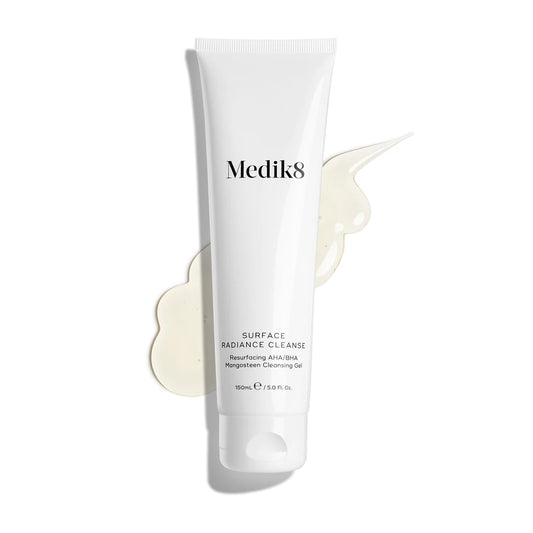
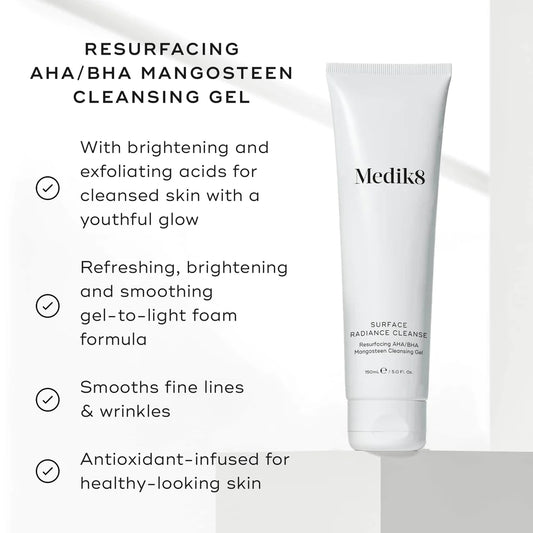
Medik8 Surface Radiance Cleanse
Vendor:MEDIK8Regular price £24.00Regular priceUnit price per -
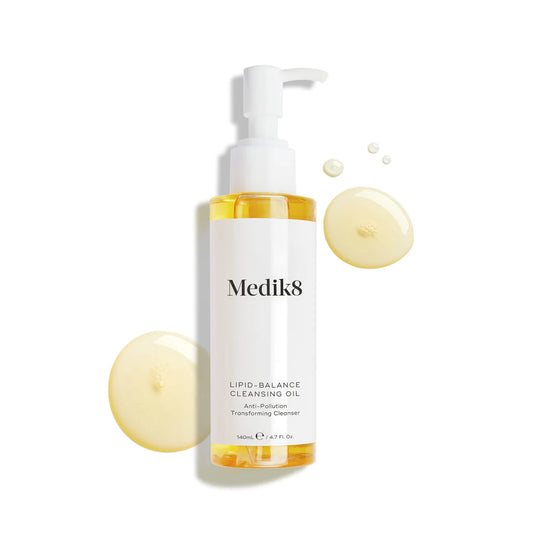
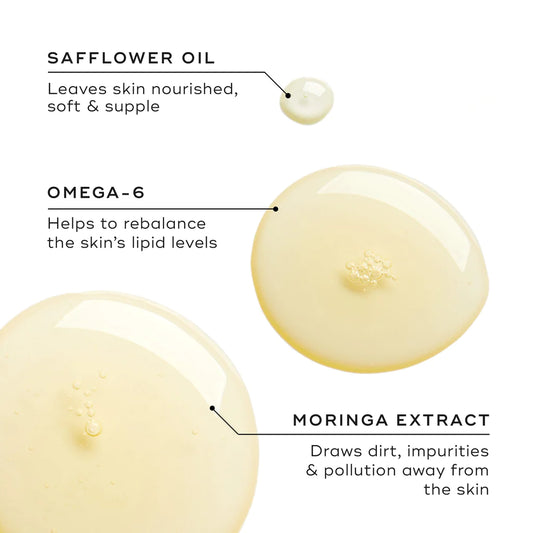
Medik8 Lipid-Balance Cleansing Oil
Vendor:MEDIK8Regular price £29.00Regular priceUnit price per -
Dr. Levy 3Deep Cleanser > FastMask
Vendor:Dr. LevyRegular price £39.00Regular priceUnit price per -
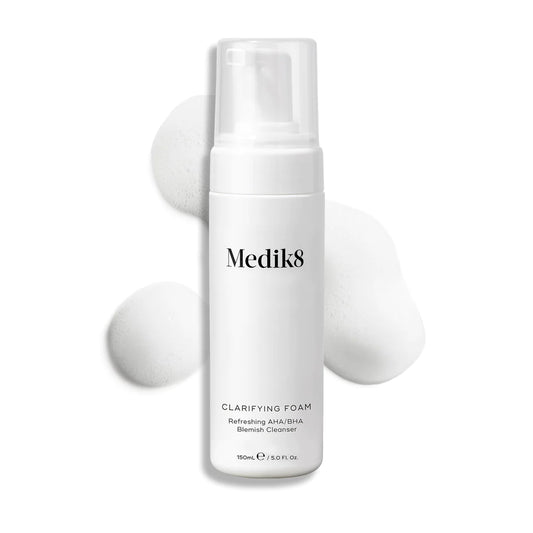
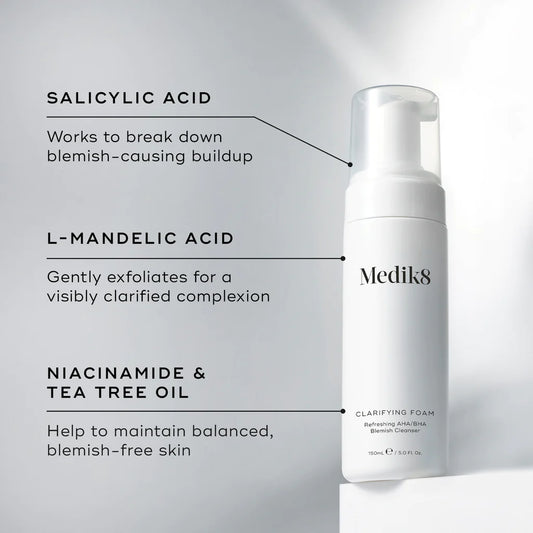
Medik8 Clarifying Foam
Vendor:MEDIK8Regular price £24.00Regular priceUnit price per -
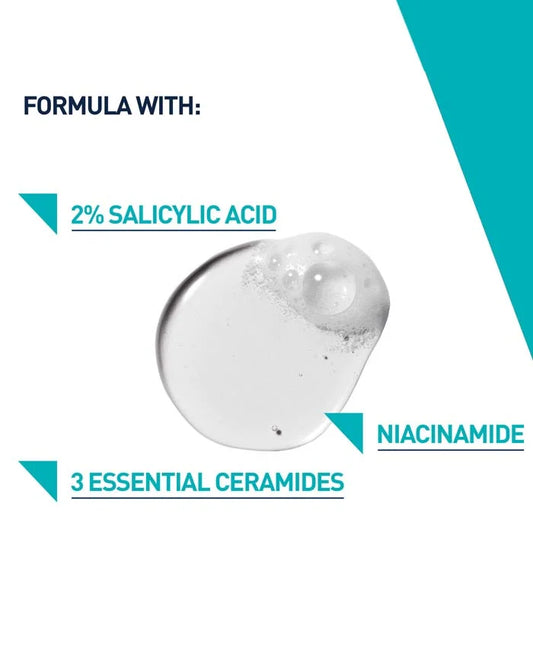
CeraVe Blemish Control Cleanser
Vendor:CeraVeRegular price £12.95Regular priceUnit price per -
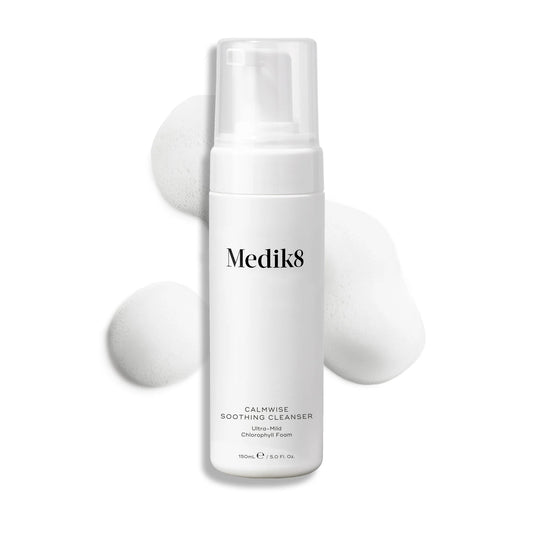
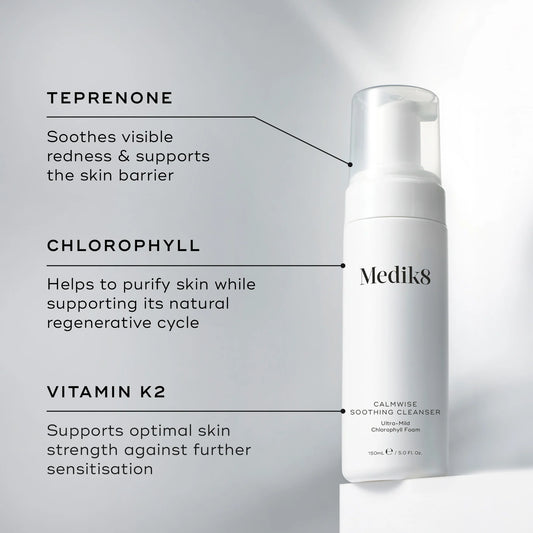
Medik8 Calmwise Soothing Cleanser
Vendor:MEDIK8Regular price £24.00Regular priceUnit price per -
Medik8 Surface Radiance Cleanse - Travel Size
Vendor:MEDIK8Regular price £8.50Regular priceUnit price per£10.00Sale price £8.50Sale -
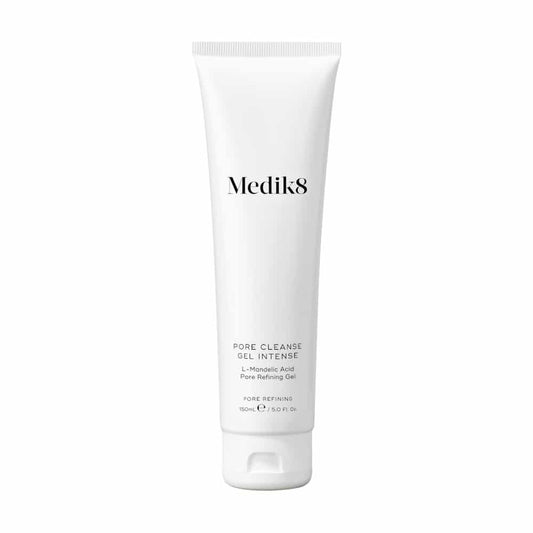
Medik8 Pore Cleanse Gel Intense
Vendor:MEDIK8Regular price £24.00Regular priceUnit price per -
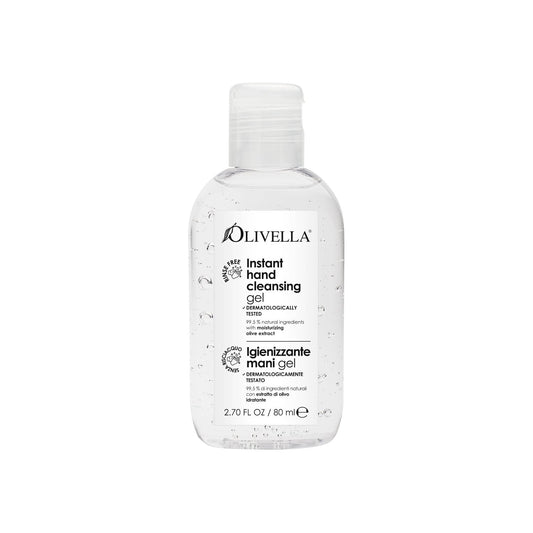
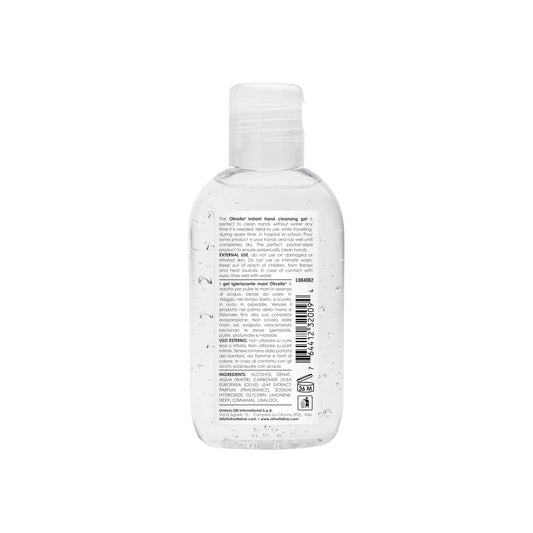
Olivella Instant Hand Cleansing Gel - 80ml
Vendor:OLIVELLARegular price £5.00Regular priceUnit price per£0.00Sale price £5.00 -
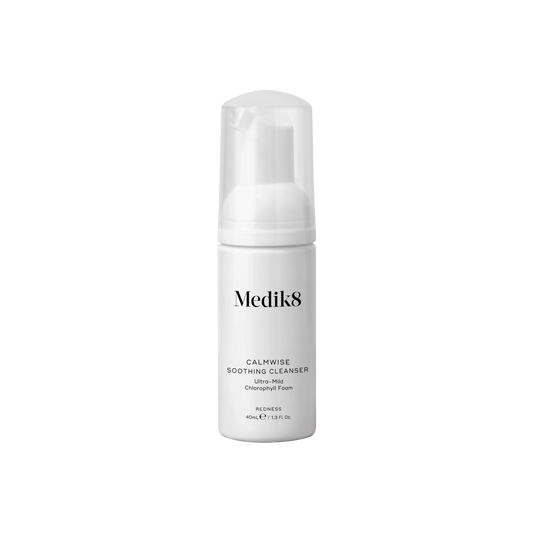
Medik8 Calmwise Soothing Cleanser - Travel Size
Vendor:MEDIK8Regular price £10.00Regular priceUnit price per -
CeraVe Hydrating Cleanser 236ml
Vendor:CeraVeRegular price £10.45Regular priceUnit price per -
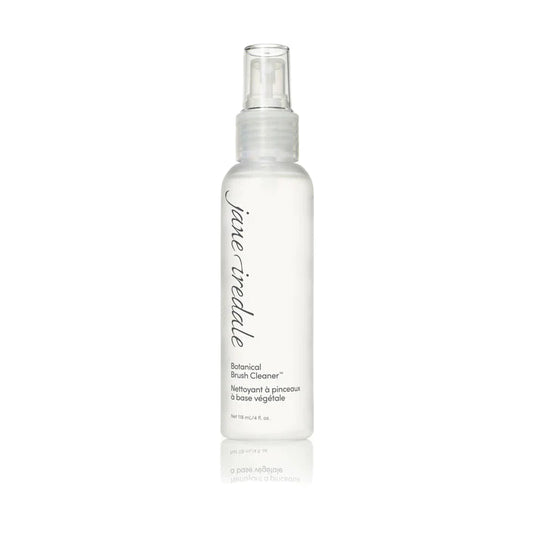
Jane Iredale Botanical Brush Cleanser
Vendor:JANE IREDALERegular price £16.00Regular priceUnit price per -
Olivella Cleansing Tissues
Vendor:OLIVELLARegular price £8.00Regular priceUnit price per£0.00Sale price £8.00 -
Medik8 Gentle Cleanse
Vendor:MEDIK8Regular price £20.40Regular priceUnit price per£24.00Sale price £20.40Sale -
Medik8 Gentle Cleanse - Travel Size 40ml
Vendor:MEDIK8Regular price £8.50Regular priceUnit price per£10.00Sale price £8.50Sale -
CeraVe Hydrating Cleanser 473ml
Vendor:CeraVeRegular price £15.95Regular priceUnit price per -
Medik8 Clarifying Foam - Travel Size
Vendor:MEDIK8Regular price £10.00Regular priceUnit price per -
CeraVe Foaming Cleanser 473ml
Vendor:CeraVeRegular price £15.95Regular priceUnit price per














Frequently Asked Questions
What type of face cleanser should I use?
Choose by skin feel and what you need to remove. Cream or lotion cleansers often suit dry or sensitive skin; gels and low-foam washes can suit normal, combination or oily skin. Cleansing oils are useful for make-up and water-resistant SPF. A cleanser should leave skin comfortable rather than tight or squeaky.
How often should I cleanse my face?
Most people can cleanse in the evening and, if useful, again in the morning. Very dry or sensitive skin may prefer a water rinse or minimal morning cleanse. Cleanse after heavy sweating, but avoid repeatedly washing throughout the day if it causes tightness, redness or irritation.
Do I need to double cleanse?
Not always. Double cleansing is helpful when one cleanser does not fully remove make-up, heavy products or water-resistant sunscreen. Use an oil-based first cleanse followed by a gentle water-based cleanser. If one cleanser removes everything and the skin feels comfortable, a second cleanse is optional.
Is cleansing oil suitable for oily skin?
It can be. Cleansing oils are rinse-off products that help dissolve make-up, sunscreen and surface oils. Their suitability depends on the complete formula and how thoroughly it emulsifies and rinses. Follow with a gentle gel cleanser if needed, and stop if a product repeatedly causes congestion or irritation.
What is the difference between a face wash and a cleanser?
The terms overlap. “Face wash” often describes a foaming or gel product used with water, while “cleanser” also includes creams, lotions, oils and balms. Choose by formula, skin type and purpose rather than the label alone.
Should a cleanser contain active ingredients?
It can, but it does not have to. Salicylic or exfoliating cleansers may help oily or congested-looking skin, while hydrating ingredients can support comfort. Because cleanser is rinsed off, a gentle formula used consistently may be more valuable than a very strong active cleanser that irritates the skin.
Can cleanser remove sunscreen and make-up?
Many cleansers can remove light make-up and ordinary sunscreen. Long-wear make-up and water-resistant SPF may need an oil cleanser, balm or dedicated remover first. Check that residue has been removed without scrubbing the skin or cleansing repeatedly.
Notes On Skincare
-

Fernblock®: the ingredient that makes Heliocare...
What is Fernblock® and why does it matter? A deep dive into the fern extract behind Heliocare 360°, the science, and why it's a genuine differentiator.
Fernblock®: the ingredient that makes Heliocare...
What is Fernblock® and why does it matter? A deep dive into the fern extract behind Heliocare 360°, the science, and why it's a genuine differentiator.
-

Heliocare 360°: Which SPF Is Right For Your Ski...
Our Heliocare 360° review breaks down every SPF50 formula by skin type, compares 360° vs Advanced, and helps you find your perfect match.
Heliocare 360°: Which SPF Is Right For Your Ski...
Our Heliocare 360° review breaks down every SPF50 formula by skin type, compares 360° vs Advanced, and helps you find your perfect match.
-

Why Perimenopause Can Feel Like a Second Adoles...
Breakouts and fine lines at the same time?! The wonderful world of perimenopause.
Why Perimenopause Can Feel Like a Second Adoles...
Breakouts and fine lines at the same time?! The wonderful world of perimenopause.


Let customers speak for us

Excellent product, used it for ages

I absolutely love this moisturiser! It leaves my skin feeling beautifully hydrated, soft and nourished without feeling heavy or greasy. My complexion looks smoother and more radiant, and it has become an essential part of my daily skincare routine. A little goes a long way, and I love how my skin feels after applying it. A beautiful product that I would happily recommend! 🥰

Very good
Love this skincare have been using it for years!

Excellent product which I have been using for years

Excellent products which enhance the quality and appearance of the skin

Been using AVST moisturiser for couple years now vombined with AVSTSupet moisturiser plus and such a Difference it has made to my
once sensitive reactive skin

Have used for years and will continue using

Have used for years and would not give up using however

I use all Jane Iredale products the blusher is gorgeous like all of her products good for sensitive skin goes on smoothly.

Love this eye shadow goes on smoothly lovely colours ,good for my sensitive eyes like all Jane Iredale products.

Great suppliments and so easy to use

Great for softening lines around eyes

Makes skin a lot clearer of pigmentation

So easy to apply a smooth line with this pencil. I have tried propelling eye liner pencils but they break so easily.