
-
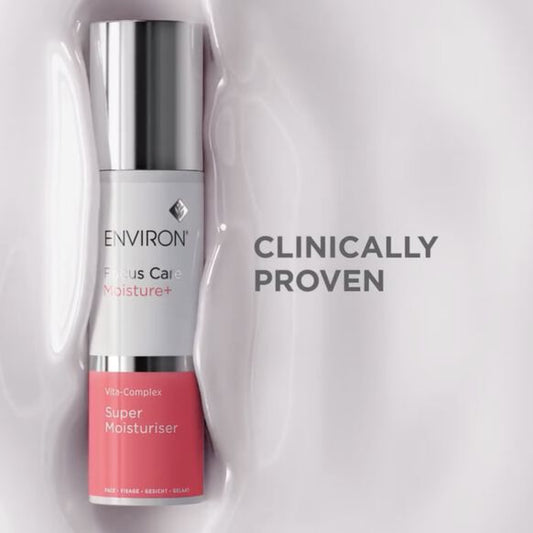
Environ Focus Care Moisture+ Vita-Complex Super Moisturiser
Vendor:EnvironRegular price £38.00Regular priceUnit price per -
Environ Youth EssentiA Hydra Intense Cleansing Lotion
Vendor:EnvironRegular price £48.00Regular priceUnit price per -
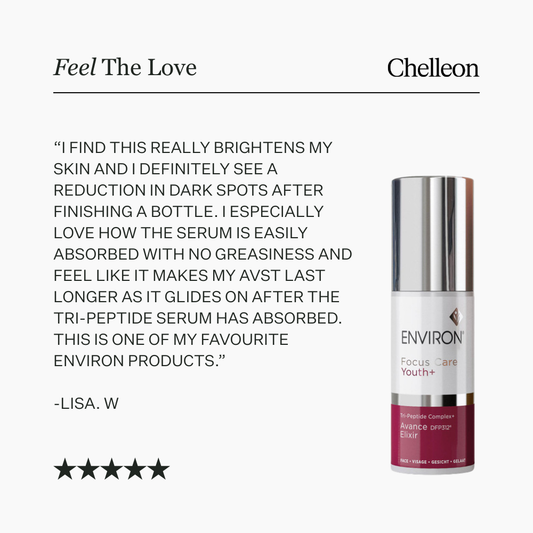
Environ Focus Care Youth+ Tri-Peptide Complex+ Avance Elixir
Vendor:EnvironRegular price £93.00Regular priceUnit price per -
Environ Youth EssentiA Antioxidant Defence Crème Plus
Vendor:EnvironRegular price £87.00Regular priceUnit price per -
Environ Focus Care Moisture+ Vita-Antioxidant Hydrating Oil Capsules
Vendor:EnvironRegular price £56.00Regular priceUnit price per -
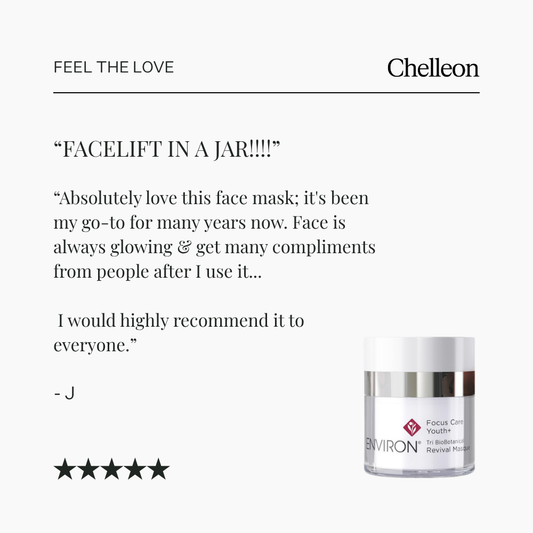
Environ Focus Care Youth+ Tri-Biobotanical Revival Masque
Vendor:EnvironRegular price £66.00Regular priceUnit price per -
Environ A, C & E Body Oil
Vendor:EnvironRegular price £48.00Regular priceUnit price per -
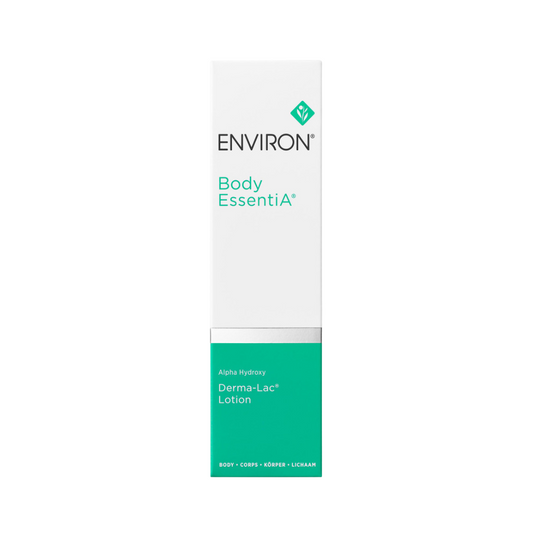
Environ Alpha Hydroxy Derma-Lac Lotion
Vendor:EnvironRegular price £48.00Regular priceUnit price per -
Environ Focus Care Moisture+ Hyaluronic Acid Intensive Hydrating Serum
Vendor:EnvironRegular price £79.00Regular priceUnit price per -
Environ Youth EssentiA Antioxidant Defence Crème
Vendor:EnvironRegular price £76.00Regular priceUnit price per -
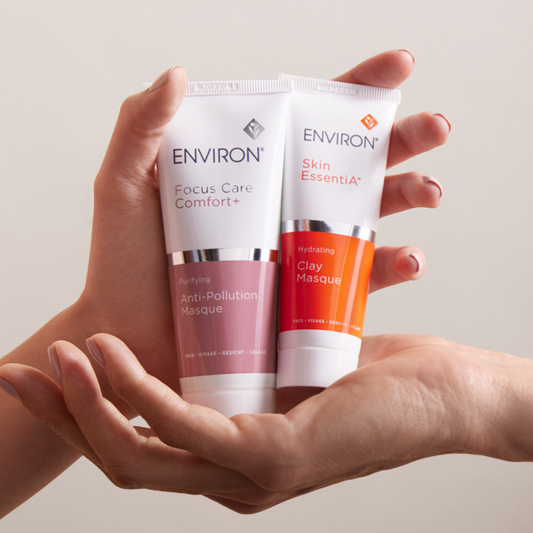
Environ Skin EssentiA Clay Masque
Vendor:EnvironRegular price £38.00Regular priceUnit price per -
Environ Travel Size Hydrating Oil Capsules (10 Capsules)
Vendor:EnvironRegular price £20.00Regular priceUnit price per -
Advanced Nutrition Programme Skin Youth Biome™ 60 Capsules
Vendor:Advanced Nutrition ProgrammeRegular price £61.00Regular priceUnit price per -
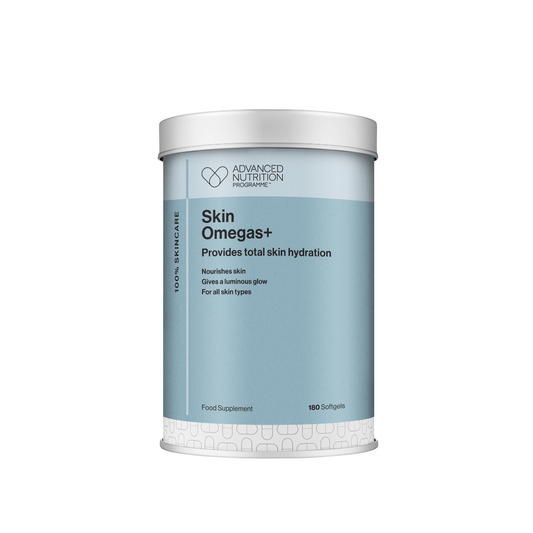
Advanced Nutrition Programme Skin Omegas+ 180 Capsules
Vendor:Advanced Nutrition ProgrammeRegular price £74.00Regular priceUnit price per -
Advanced Nutrition Programme Skin Ultimate
Vendor:Advanced Nutrition ProgrammeRegular price £75.00Regular priceUnit price per -
Advanced Nutrition Programme Skin Clear Biome™ 60 Capsules
Vendor:Advanced Nutrition ProgrammeRegular price £61.00Regular priceUnit price per -
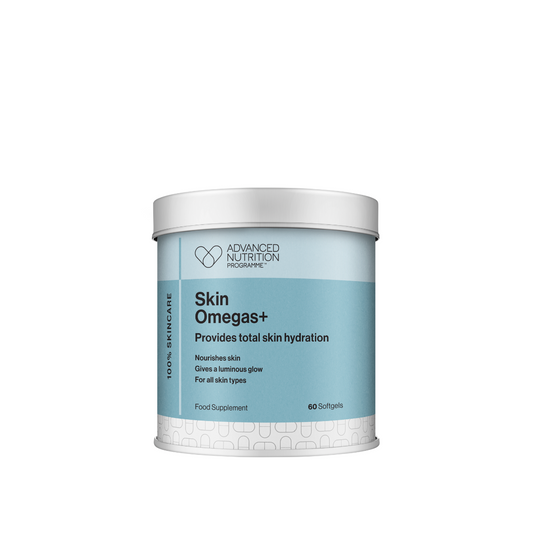
Advanced Nutrition Programme Skin Omegas+ 60 Capsules
Vendor:Advanced Nutrition ProgrammeRegular price £34.00Regular priceUnit price per -
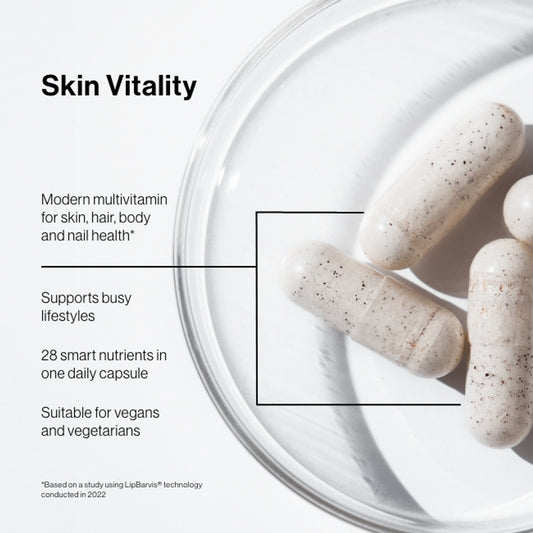
Advanced Nutrition Programme Skin Vitality
Vendor:Advanced Nutrition ProgrammeRegular price £37.00Regular priceUnit price per -
Advanced Nutrition Programme Skin Moisture IQ
Vendor:Advanced Nutrition ProgrammeRegular price £81.00Regular priceUnit price per -
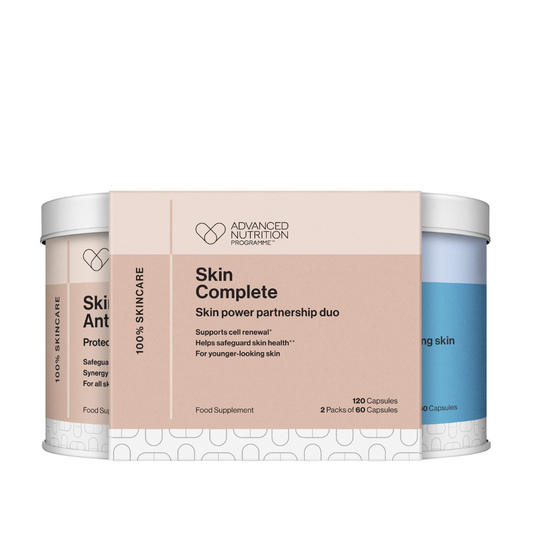
Advanced Nutrition Programme Skin Complete 120 Capsules
Vendor:Advanced Nutrition ProgrammeRegular price £55.00Regular priceUnit price per -
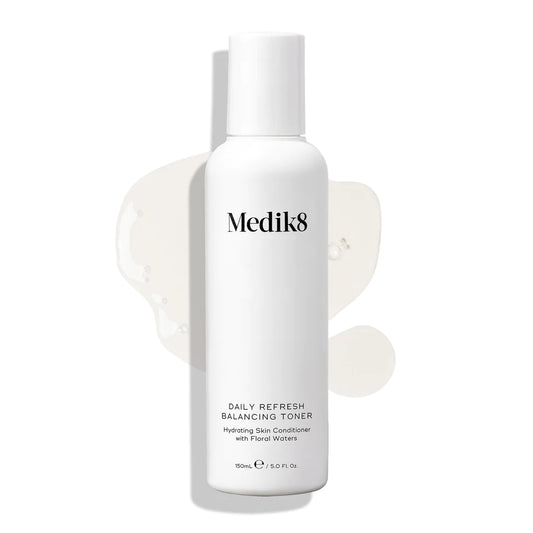
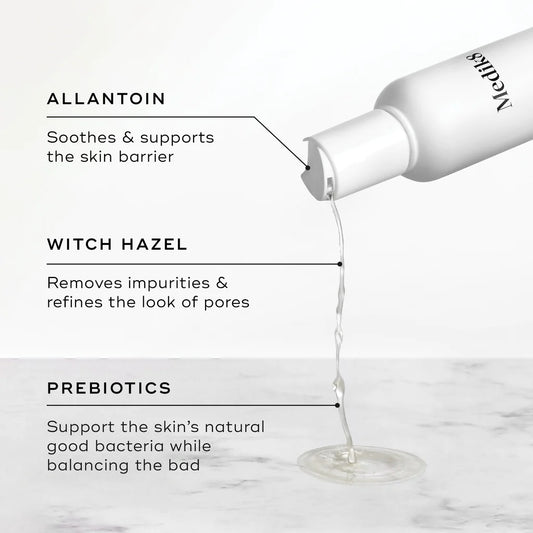
Medik8 Daily Refresh Balancing Toner
Vendor:MEDIK8Regular price £17.00Regular priceUnit price per -
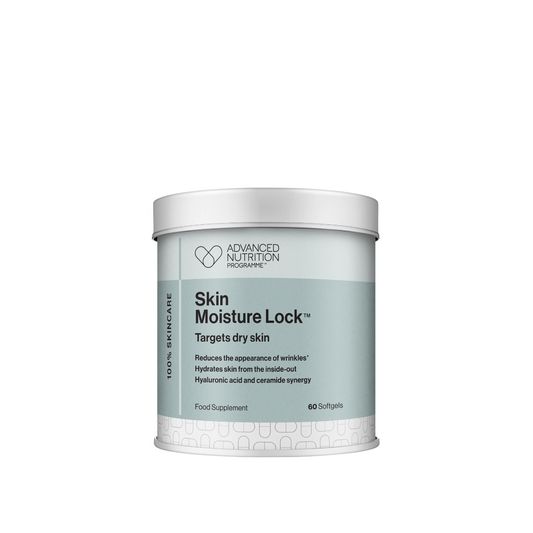
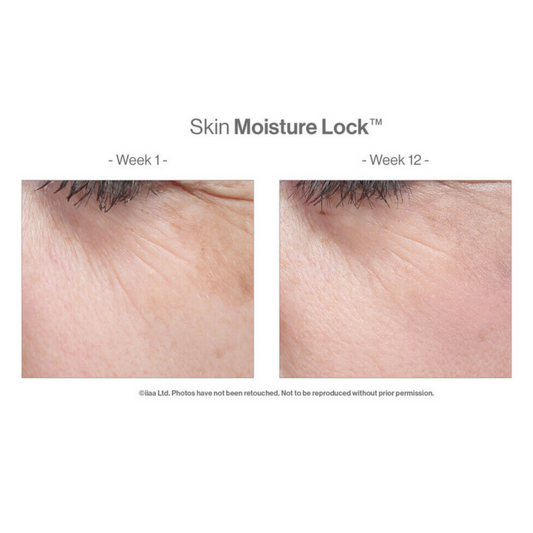
Advanced Nutrition Programme Skin Moisture Lock™
Vendor:Advanced Nutrition ProgrammeRegular price £77.00Regular priceUnit price per -
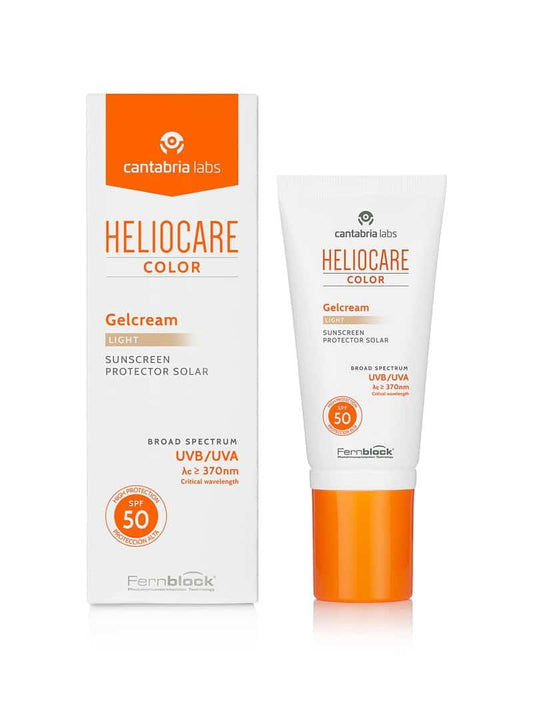
Heliocare® Gelcream Colour SPF 50
Vendor:HeliocareRegular price £23.80Regular priceUnit price per£28.00Sale price £23.80Sale -
Medik8 Ultimate Recovery
Vendor:MEDIK8Regular price £39.00Regular priceUnit price per
















Frequently Asked Questions
What is the difference between dry and dehydrated skin?
Dry skin produces less oil and is generally a long-term skin type. Dehydrated skin lacks water and can be temporary, so even oily skin can be dehydrated. Both may feel tight and look dull, but dry skin often benefits from richer, lipid-based products, while dehydrated skin may respond to humectants plus a moisturiser that reduces water loss.
Which ingredients are useful for dry or dehydrated skin?
Glycerin and hyaluronic acid are humectants that support hydration. Ceramides, squalane and other emollients help smooth and support the skin barrier, while occlusive ingredients reduce water loss. The balance matters: a hydrating serum used without moisturiser may not be enough for very dry skin. Choose a complete formula and texture that remains comfortable.
Should I use a serum, moisturiser or facial oil?
A hydrating serum supplies a light, targeted layer; a moisturiser combines hydration with barrier support; and an oil mainly adds emollience and helps reduce moisture loss. Many dry-skin routines use serum followed by moisturiser, with oil as an optional final step. Oily-but-dehydrated skin may need only a light serum and gel-cream.
Can dry skin be exfoliated?
Yes, but cautiously. Exfoliation may smooth flaky surface cells, yet too much can worsen dryness and barrier damage. Avoid scrubbing loose flakes. Start with a gentle product at the lowest recommended frequency and stop if the skin burns, becomes persistently red or peels. Restore comfort with cleanser, moisturiser and SPF before trying again.
Why is my oily skin dehydrated?
Sebum and water are different. Oily skin can lose water through harsh cleansing, low humidity, over-exfoliation or unsuitable active products while continuing to produce oil. Use a mild cleanser and a lightweight moisturiser rather than trying to strip away every trace of shine. Persistent irritation is a reason to simplify the routine.
Can I use retinol on dry skin?
Dry skin can use retinol if it is introduced carefully. Start with an appropriate entry strength on a small number of nights, moisturise well and increase only if the skin stays comfortable. Do not introduce acids at the same time. Avoid cosmetic retinoids during pregnancy and follow Environ's step-up guidance for Environ vitamin-A products.
When should very dry skin be assessed medically?
Speak to a pharmacist, GP, or dermatologist if dryness is persistent despite self-care, is severely itchy, painful, cracked, bleeding, widespread, or associated with an inflamed rash. Sudden unexplained dryness may also need assessment. Cosmetics should not be used to self-treat suspected eczema, infection or another medical condition.
Notes On Skincare
-

Fernblock®: the ingredient that makes Heliocare...
What is Fernblock® and why does it matter? A deep dive into the fern extract behind Heliocare 360°, the science, and why it's a genuine differentiator.
Fernblock®: the ingredient that makes Heliocare...
What is Fernblock® and why does it matter? A deep dive into the fern extract behind Heliocare 360°, the science, and why it's a genuine differentiator.
-

Heliocare 360°: Which SPF Is Right For Your Ski...
Our Heliocare 360° review breaks down every SPF50 formula by skin type, compares 360° vs Advanced, and helps you find your perfect match.
Heliocare 360°: Which SPF Is Right For Your Ski...
Our Heliocare 360° review breaks down every SPF50 formula by skin type, compares 360° vs Advanced, and helps you find your perfect match.
-

Why Perimenopause Can Feel Like a Second Adoles...
Breakouts and fine lines at the same time?! The wonderful world of perimenopause.
Why Perimenopause Can Feel Like a Second Adoles...
Breakouts and fine lines at the same time?! The wonderful world of perimenopause.


Let customers speak for us

Been using AVST moisturiser for couple years now vombined with AVSTSupet moisturiser plus and such a Difference it has made to my
once sensitive reactive skin

Have used for years and will continue using

Have used for years and would not give up using however

I use all Jane Iredale products the blusher is gorgeous like all of her products good for sensitive skin goes on smoothly.

Love this eye shadow goes on smoothly lovely colours ,good for my sensitive eyes like all Jane Iredale products.

Great suppliments and so easy to use

Great for softening lines around eyes

Makes skin a lot clearer of pigmentation

So easy to apply a smooth line with this pencil. I have tried propelling eye liner pencils but they break so easily.

I have used this primer for some time now and wouldn’t use any other. Makes putting make up on so much easier.

You can really fell the difference straight away from using this product. It leaves your skin feeling clean, clear and soft.

Love this product. It’s soft on your skin and leaves your skin feeling amazing and clean.

Great company fast snd efficient

Been using this for years, an absolutely amazing product! So good for healing and reducing redness on scars and damaged skin.

Great compact , to replace a broken different style one , very quick postage and value for money thank you