
-
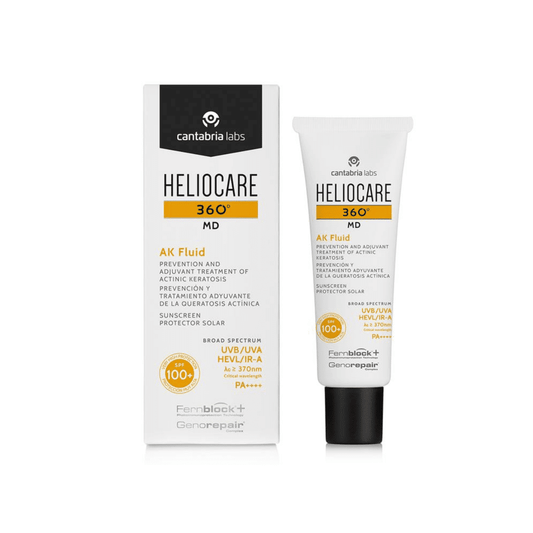
Heliocare 360° AK Fluid SPF 100
Vendor:HeliocareRegular price £28.04Regular priceUnit price per£32.99Sale price £28.04Sale -
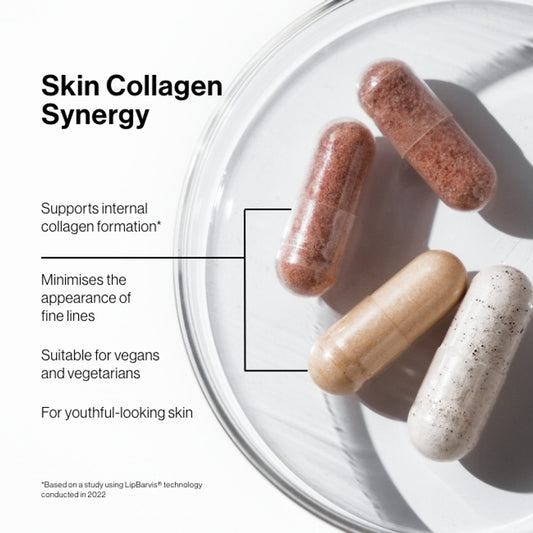
Advanced Nutrition Programme Skin Collagen Synergy
Vendor:Advanced Nutrition ProgrammeRegular price £62.00Regular priceUnit price per -
Medik8 Surface Radiance Cleanse - Travel Size
Vendor:MEDIK8Regular price £8.50Regular priceUnit price per£10.00Sale price £8.50Sale -
Advanced Nutrition Programme Skin Even IQ
Vendor:Advanced Nutrition ProgrammeRegular price £89.00Regular priceUnit price per



Frequently Asked Questions
What causes dull skin?
Dullness can be associated with dehydration, dry or rough surface cells, an impaired skin barrier, sun exposure, uneven pigmentation or a routine that is too harsh. It can also reflect tiredness or lifestyle factors. Because dull skin has more than one cause, choose products according to whether the main problem is dryness, texture or uneven tone.
Which ingredients are best for dull skin and radiance?
Vitamin C and niacinamide can help skin look brighter and more even. Alpha-hydroxy acids can improve surface texture, while retinol supports longer-term texture and tone when introduced carefully. Hyaluronic acid, glycerin and ceramides help when dehydration or barrier weakness is making the skin look flat. Daily broad-spectrum SPF protects against further photoageing.
How often should I exfoliate dull skin?
Follow the directions for the specific exfoliant and start conservatively—especially with dry or sensitive skin. More frequent exfoliation is not automatically better. If the skin feels tight, sore, persistently red or flaky, stop exfoliating and use a gentle cleanser, moisturiser and sunscreen until it recovers.
Is dull skin the same as dry or dehydrated skin?
No. Dry skin produces less oil, while dehydrated skin lacks water; either can look dull, but dullness can also come from rough surface texture, pigmentation or sun damage. A hydrating serum and moisturiser may help with dehydration, while dry skin may need a richer barrier-supporting formula. Exfoliation is not the answer to every type of dullness.
Can vitamin C make skin look more radiant?
Vitamin C provides antioxidant support and can help improve visible brightness and uneven tone. Results depend on the formulation, consistency and skin tolerance. Apply according to the product directions—often in the morning—and follow with moisturiser and sunscreen. Stop or reduce use if persistent irritation occurs.
Can I use an exfoliant and retinol together?
Experienced users can use them within the same overall routine, but applying both together may be too irritating for some skin. Introduce one product first, use them on different evenings if necessary and reduce frequency if the skin becomes sore or flaky. Sensitive skin may do better with only one active category.
How quickly can dull skin improve?
Dehydrated skin may look more radiant soon after consistent moisturising, while uneven texture and tone usually take several weeks. Assess a simple routine after 8–12 weeks rather than changing products frequently. Persistent, sudden or unexplained changes in the skin should be discussed with a qualified professional.
Notes On Skincare
-

Fernblock®: the ingredient that makes Heliocare...
What is Fernblock® and why does it matter? A deep dive into the fern extract behind Heliocare 360°, the science, and why it's a genuine differentiator.
Fernblock®: the ingredient that makes Heliocare...
What is Fernblock® and why does it matter? A deep dive into the fern extract behind Heliocare 360°, the science, and why it's a genuine differentiator.
-

Heliocare 360°: Which SPF Is Right For Your Ski...
Our Heliocare 360° review breaks down every SPF50 formula by skin type, compares 360° vs Advanced, and helps you find your perfect match.
Heliocare 360°: Which SPF Is Right For Your Ski...
Our Heliocare 360° review breaks down every SPF50 formula by skin type, compares 360° vs Advanced, and helps you find your perfect match.
-

Why Perimenopause Can Feel Like a Second Adoles...
Breakouts and fine lines at the same time?! The wonderful world of perimenopause.
Why Perimenopause Can Feel Like a Second Adoles...
Breakouts and fine lines at the same time?! The wonderful world of perimenopause.


Let customers speak for us

Excellent product, used it for ages

I absolutely love this moisturiser! It leaves my skin feeling beautifully hydrated, soft and nourished without feeling heavy or greasy. My complexion looks smoother and more radiant, and it has become an essential part of my daily skincare routine. A little goes a long way, and I love how my skin feels after applying it. A beautiful product that I would happily recommend! 🥰

Very good
Love this skincare have been using it for years!

Excellent product which I have been using for years

Excellent products which enhance the quality and appearance of the skin

Been using AVST moisturiser for couple years now vombined with AVSTSupet moisturiser plus and such a Difference it has made to my
once sensitive reactive skin

Have used for years and will continue using

Have used for years and would not give up using however

I use all Jane Iredale products the blusher is gorgeous like all of her products good for sensitive skin goes on smoothly.

Love this eye shadow goes on smoothly lovely colours ,good for my sensitive eyes like all Jane Iredale products.

Great suppliments and so easy to use

Great for softening lines around eyes

Makes skin a lot clearer of pigmentation

So easy to apply a smooth line with this pencil. I have tried propelling eye liner pencils but they break so easily.