
-
Environ Youth EssentiA C-Quence Serum 2
Vendor:EnvironRegular price £103.00Regular priceUnit price per -
Environ Youth EssentiA C-Quence Serum 1
Vendor:EnvironRegular price £103.00Regular priceUnit price per -
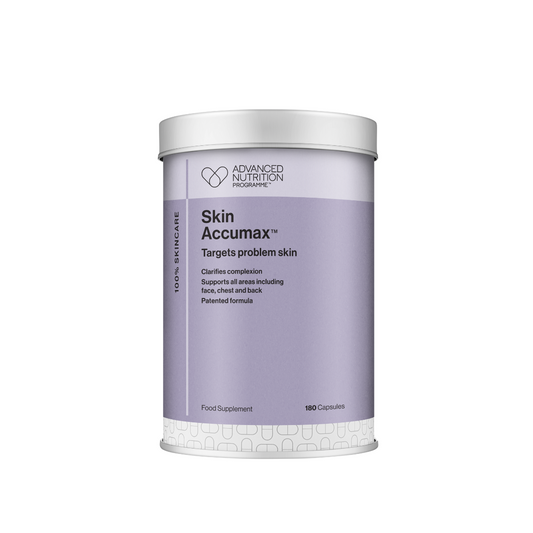
Advanced Nutrition Programme Skin Accumax™ 180 Capsules
Vendor:Advanced Nutrition ProgrammeRegular price £99.00Regular priceUnit price per -
Advanced Nutrition Programme Skin Youth Biome™ 60 Capsules
Vendor:Advanced Nutrition ProgrammeRegular price £61.00Regular priceUnit price per -
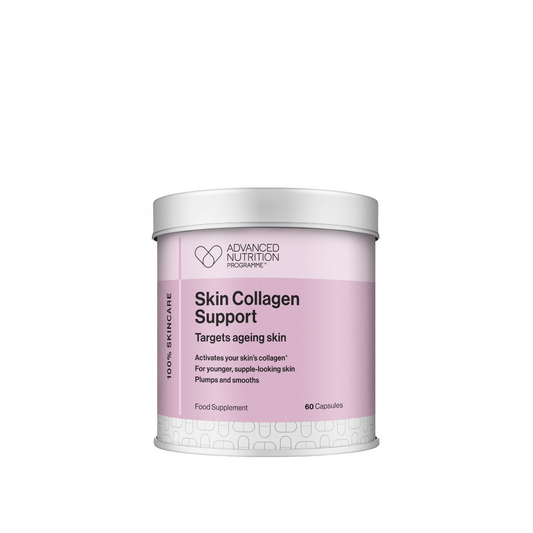
Advanced Nutrition Programme Skin Collagen Support
Vendor:Advanced Nutrition ProgrammeRegular price £43.00Regular priceUnit price per -
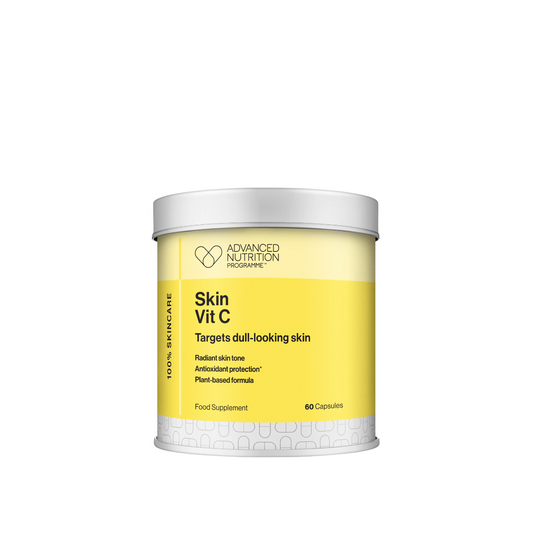
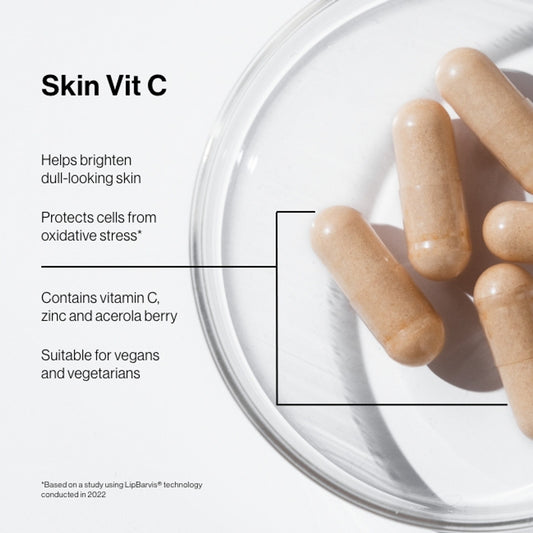
Advanced Nutrition Programme Skin Vit C 60 Capsules
Vendor:Advanced Nutrition ProgrammeRegular price £32.00Regular priceUnit price per -
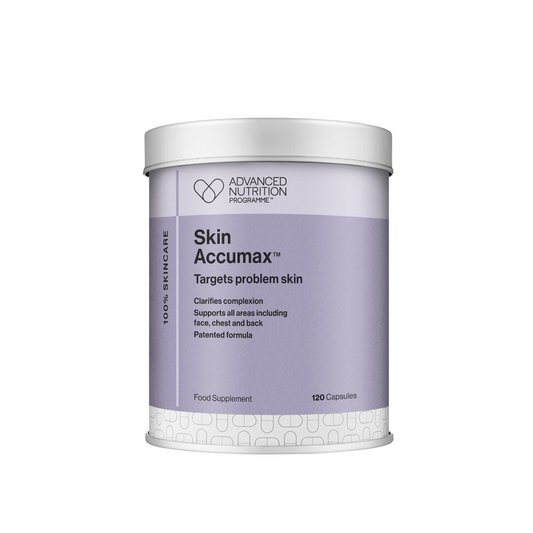
Advanced Nutrition Programme Skin Accumax™ 120 Capsules
Vendor:Advanced Nutrition ProgrammeRegular price £73.00Regular priceUnit price per -
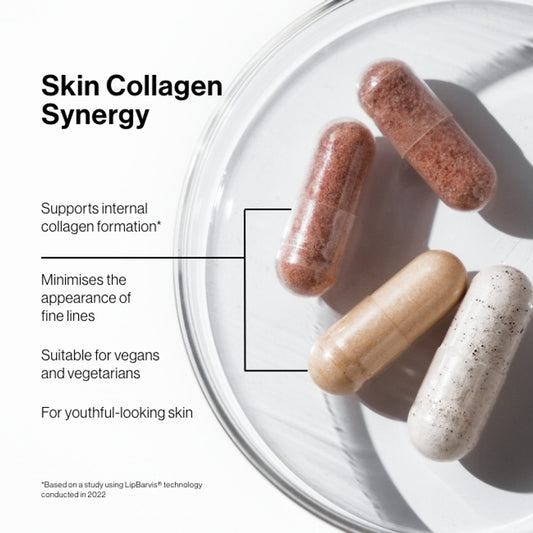
Advanced Nutrition Programme Skin Collagen Synergy
Vendor:Advanced Nutrition ProgrammeRegular price £62.00Regular priceUnit price per -
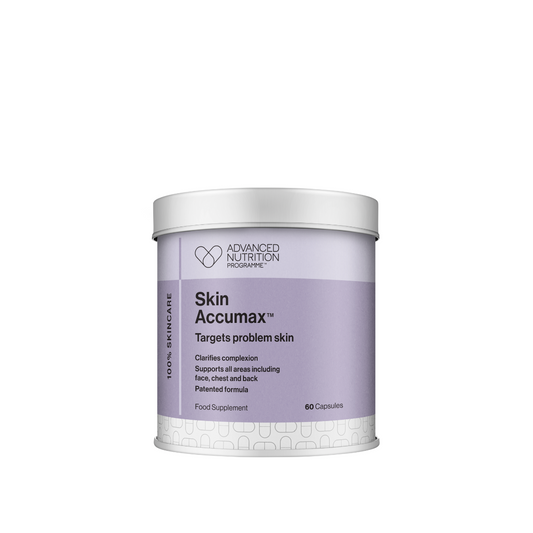
Advanced Nutrition Programme Skin Accumax™ 60 Capsules
Vendor:Advanced Nutrition ProgrammeRegular price £48.00Regular priceUnit price per -
Advanced Nutrition Programme Pro-Vitality Supplements
Vendor:Advanced Nutrition ProgrammeRegular price £72.00Regular priceUnit price per -
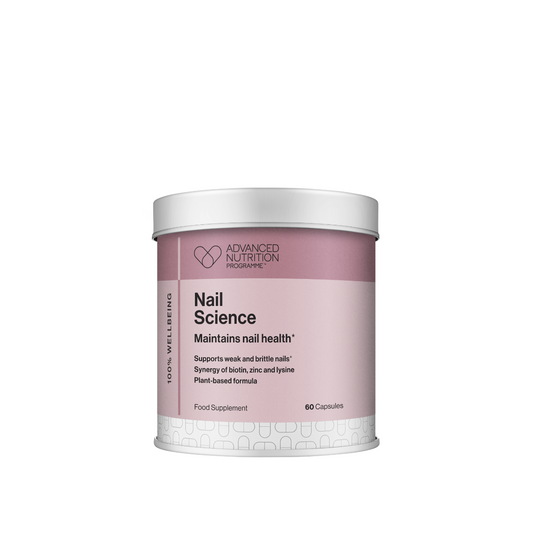
Advanced Nutrition Programme Nail Science
Vendor:Advanced Nutrition ProgrammeRegular price £34.00Regular priceUnit price per -
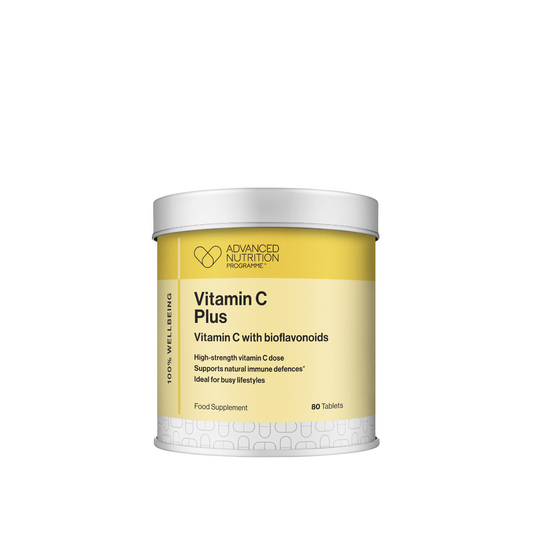
Advanced Nutrition Programme Vitamin C PLUS
Vendor:Advanced Nutrition ProgrammeRegular price £29.00Regular priceUnit price per -
Advanced Nutrition Programme Skin Even IQ
Vendor:Advanced Nutrition ProgrammeRegular price £89.00Regular priceUnit price per -
Advanced Nutrition Programme Immunity Intelligence Support Pack
Vendor:Advanced Nutrition ProgrammeRegular price £67.00Regular priceUnit price per









Frequently Asked Questions
What does vitamin C serum do?
A well-formulated topical vitamin C serum can support antioxidant care and help improve the appearance of dullness and uneven tone. Effects depend on the vitamin C form, finished formula, packaging and consistent use.
Is vitamin C serum suitable for sensitive skin?
It can be, but L-ascorbic acid and low-pH formulas may sting some skin. Consider a gentler derivative or lower-intensity formula, introduce it gradually and stop if irritation persists.
Should I use vitamin C in the morning or evening?
Many people use it in the morning before moisturiser and sunscreen, although some products can be used at night. Follow the product directions; the time of day matters less than suitability and regular use.
Can vitamin C replace sunscreen?
No. Vitamin C is not sunscreen and does not provide a labelled SPF. Apply broad-spectrum sunscreen as the final morning skincare step and use it according to its directions.
Can I use vitamin C with niacinamide?
Yes, many modern formulas can be combined. The old blanket rule that they must never be used together is not useful for most current products. Introduce them separately if your skin is reactive.
Can I use vitamin C with retinol?
Often yes, if both are tolerated. A simple approach is vitamin C in the morning and retinol in the evening. Avoid starting both at once if you are new to active skincare.
How can I tell if vitamin C serum has oxidised?
Some formulas naturally have colour, so do not use a generic shade chart. Follow brand guidance and watch for a substantial, unexplained change in colour, odour or texture. Store the product as directed and close it promptly.
Notes On Skincare
-

Fernblock®: the ingredient that makes Heliocare...
What is Fernblock® and why does it matter? A deep dive into the fern extract behind Heliocare 360°, the science, and why it's a genuine differentiator.
Fernblock®: the ingredient that makes Heliocare...
What is Fernblock® and why does it matter? A deep dive into the fern extract behind Heliocare 360°, the science, and why it's a genuine differentiator.
-

Heliocare 360°: Which SPF Is Right For Your Ski...
Our Heliocare 360° review breaks down every SPF50 formula by skin type, compares 360° vs Advanced, and helps you find your perfect match.
Heliocare 360°: Which SPF Is Right For Your Ski...
Our Heliocare 360° review breaks down every SPF50 formula by skin type, compares 360° vs Advanced, and helps you find your perfect match.
-

Why Perimenopause Can Feel Like a Second Adoles...
Breakouts and fine lines at the same time?! The wonderful world of perimenopause.
Why Perimenopause Can Feel Like a Second Adoles...
Breakouts and fine lines at the same time?! The wonderful world of perimenopause.


Let customers speak for us

Excellent product, used it for ages

I absolutely love this moisturiser! It leaves my skin feeling beautifully hydrated, soft and nourished without feeling heavy or greasy. My complexion looks smoother and more radiant, and it has become an essential part of my daily skincare routine. A little goes a long way, and I love how my skin feels after applying it. A beautiful product that I would happily recommend! 🥰

Very good
Love this skincare have been using it for years!

Excellent product which I have been using for years

Excellent products which enhance the quality and appearance of the skin

Been using AVST moisturiser for couple years now vombined with AVSTSupet moisturiser plus and such a Difference it has made to my
once sensitive reactive skin

Have used for years and will continue using

Have used for years and would not give up using however

I use all Jane Iredale products the blusher is gorgeous like all of her products good for sensitive skin goes on smoothly.

Love this eye shadow goes on smoothly lovely colours ,good for my sensitive eyes like all Jane Iredale products.

Great suppliments and so easy to use

Great for softening lines around eyes

Makes skin a lot clearer of pigmentation

So easy to apply a smooth line with this pencil. I have tried propelling eye liner pencils but they break so easily.