
-
Exclusive Environ C-Boost Mela Even Cream & Botanical Moisturising Toner
Vendor:EnvironRegular price £80.00Regular priceUnit price per -
Environ Botanical Infused Moisturising Toner Twin Set
Vendor:EnvironRegular price £80.00Regular priceUnit price per -
Environ Youth EseentiA Vita-Peptide Toner Twin Set
Vendor:EnvironRegular price £96.00Regular priceUnit price per -
Environ Concentrated Alphy Hydroxy Toner Twin Set
Vendor:EnvironRegular price £82.00Regular priceUnit price per -
Advanced Nutrition Programme Skin Even IQ
Vendor:Advanced Nutrition ProgrammeRegular price £89.00Regular priceUnit price per -
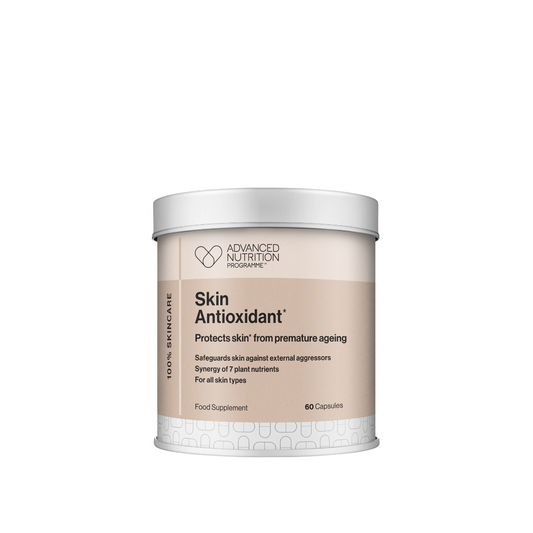
Advanced Nutrition Programme Skin Antioxidant 60 Capsules
Vendor:Advanced Nutrition ProgrammeRegular price £36.00Regular priceUnit price per -
Advanced Nutrition Programme Skin Vit A+
Vendor:Advanced Nutrition ProgrammeRegular price £24.00Regular priceUnit price per




Frequently Asked Questions
What is the difference between pigmentation, hyperpigmentation and dark spots?
Pigmentation describes the skin's colour. Hyperpigmentation is the term for areas that become darker than the surrounding skin because of increased or uneven melanin. “Dark spots” is a broad consumer term that can include sun spots and post-blemish marks. Different conditions can look similar, so a new, changing, irregular, itchy or bleeding mark should be assessed by a medical professional rather than treated as ordinary pigmentation.
Which skincare ingredients can help the appearance of dark spots?
Useful cosmetic ingredients include vitamin C, niacinamide, alpha-hydroxy acids, retinoids and targeted pigment ingredients such as arbutin. They work in different ways, and tolerance matters more than using everything together. Choose one targeted product, introduce it gradually and support it with moisturiser and daily SPF. Persistent melasma or post-inflammatory pigmentation may need diagnosis and treatment from a dermatologist.
Is sunscreen necessary when treating pigmentation?
Yes. Sunlight can darken existing pigmentation and encourage new uneven areas. Use a broad-spectrum facial sunscreen with SPF 30 or higher every day, apply it generously and reapply when exposure, sweating or the product instructions require it. A tinted sunscreen containing iron oxides may provide additional visible-light protection for some people with melasma or persistent dark spots.
Can I use vitamin C and retinol in the same routine?
Many people can use both, but introducing them separately is kinder to the skin. A simple approach is vitamin C in the morning followed by sunscreen, and retinol in the evening followed by moisturiser. Begin retinol on a small number of nights each week and increase only if the skin remains comfortable. Follow the directions for the specific products rather than assuming every formula combines in the same way.
How long does pigmentation skincare take to work?
Cosmetic improvements are gradual. Some people notice a brighter, more even appearance within several weeks, while established dark spots can take several months and may recur without consistent sun protection. Review progress in the same lighting after 8–12 weeks.
Can exfoliation make pigmentation worse?
Over-exfoliation can cause inflammation and damage the skin barrier. Inflammation can leave post-inflammatory dark marks, particularly in deeper skin tones. Use acids only as directed, avoid combining several exfoliants at once and reduce frequency if the skin stings, burns, peels or stays red. A gentle, consistent routine is usually more useful than aggressive treatment.
Which pigmentation products should I avoid during pregnancy?
Avoid retinoids during pregnancy and check any strong active or prescription treatment with your GP, midwife or dermatologist. A simple routine based on gentle cleansing, moisturising and broad-spectrum SPF is the safest starting point. Because product formulas and personal circumstances differ, do not rely on a collection label alone to decide whether a product is suitable during pregnancy or breastfeeding.
Notes On Skincare
-

Fernblock®: the ingredient that makes Heliocare...
What is Fernblock® and why does it matter? A deep dive into the fern extract behind Heliocare 360°, the science, and why it's a genuine differentiator.
Fernblock®: the ingredient that makes Heliocare...
What is Fernblock® and why does it matter? A deep dive into the fern extract behind Heliocare 360°, the science, and why it's a genuine differentiator.
-

Heliocare 360°: Which SPF Is Right For Your Ski...
Our Heliocare 360° review breaks down every SPF50 formula by skin type, compares 360° vs Advanced, and helps you find your perfect match.
Heliocare 360°: Which SPF Is Right For Your Ski...
Our Heliocare 360° review breaks down every SPF50 formula by skin type, compares 360° vs Advanced, and helps you find your perfect match.
-

Why Perimenopause Can Feel Like a Second Adoles...
Breakouts and fine lines at the same time?! The wonderful world of perimenopause.
Why Perimenopause Can Feel Like a Second Adoles...
Breakouts and fine lines at the same time?! The wonderful world of perimenopause.


Let customers speak for us

Have used for years and will continue using

Have used for years and would not give up using however

I use all Jane Iredale products the blusher is gorgeous like all of her products good for sensitive skin goes on smoothly.

Love this eye shadow goes on smoothly lovely colours ,good for my sensitive eyes like all Jane Iredale products.

Great suppliments and so easy to use

Great for softening lines around eyes

Makes skin a lot clearer of pigmentation

So easy to apply a smooth line with this pencil. I have tried propelling eye liner pencils but they break so easily.

I have used this primer for some time now and wouldn’t use any other. Makes putting make up on so much easier.

You can really fell the difference straight away from using this product. It leaves your skin feeling clean, clear and soft.

Love this product. It’s soft on your skin and leaves your skin feeling amazing and clean.

Great company fast snd efficient

Been using this for years, an absolutely amazing product! So good for healing and reducing redness on scars and damaged skin.

Great compact , to replace a broken different style one , very quick postage and value for money thank you

Love this Jane Iredale bronzer, the light shade works very well with my skintone , which is light/medium. Contours nice and gives a nice natural healthy glow.